Security Breach at Upbit
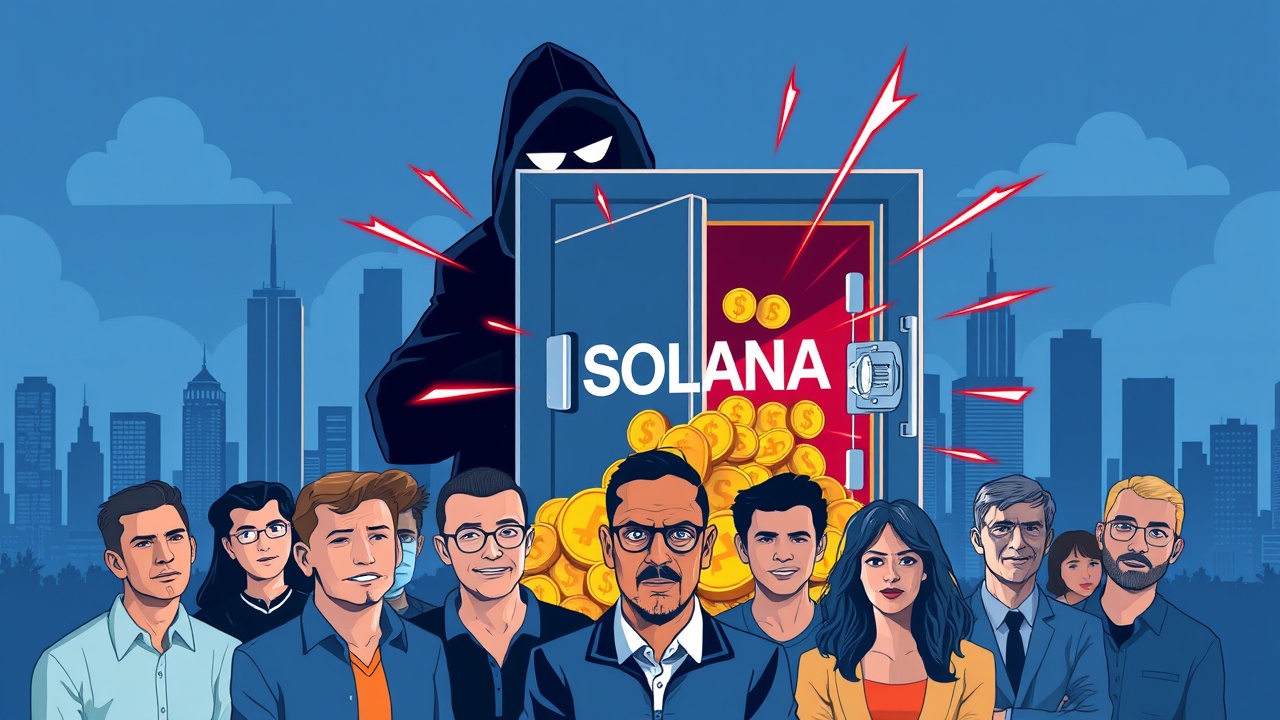
In a significant security breach, Upbit, South Korea’s premier cryptocurrency exchange, reported a theft involving approximately 54 billion won, equivalent to around $36 million. The incident occurred on the Solana blockchain in the early hours of November 27, with the exchange promptly committing to refund affected users after the tokens were redirected to an unidentified external wallet.
Immediate Response
CEO Oh Kyung-seok of Dunamu, Upbit’s parent company, disclosed that the exchange quickly responded to the situation by suspending all deposit and withdrawal functions upon noticing unusual withdrawal patterns. In a communication directed to users, he emphasized:
“Our priority has been to safeguard member assets, leading us to conduct thorough inspections following the incident.”
Historical Context
This latest breach is reminiscent of a previous major attack on the same date six years ago, when Upbit lost 342,000 ETH that was valued at approximately $41.5 million at the time. South Korea attributed that theft to North Korean hackers, and the stolen Ether has since surged in value to over $1 billion, marking it as one of the most significant cyber heists connected to North Korea.
Details of the Recent Exploit
The recent exploit involved the transfer of various Solana-based assets, including SOL, USDC, and other smaller tokens, to an external wallet shortly after 4:42 AM. Upbit described these transactions as “abnormal withdrawals” associated with the Solana network, and the company’s immediate analysis confirmed the scale of the outflow. To alleviate concerns for users, Oh stated:
“We will absorb the total losses from our own assets, ensuring that no members suffer any damage.”
Security Measures and Ongoing Efforts
Following the hack, Upbit took swift action by securing its infrastructure, transferring all digital assets to cold storage to deter further unauthorized movements, and initiating an urgent security assessment on the affected systems. Additionally, the exchange has begun on-chain actions and has frozen around 12 billion won worth of the compromised assets. Efforts continue to pinpoint and secure the remaining tokens, and Upbit is collaborating with other institutions to effect additional asset freezes.
Regulatory Involvement and Future Steps
As efforts to manage the crisis unfold, regulatory bodies and law enforcement may likely become involved. Upbit has expressed its intent to cooperate fully with investigative authorities as they work to recover stolen funds. Moreover, the company is not limiting its security checks to just the Solana network but is conducting a thorough review of the integrity of its entire digital asset transaction system. Temporary suspension of deposits and withdrawals will continue until the system’s security can be assured.
Reassurance to Users
Throughout this turbulent period, Upbit reassured users that their funds would remain intact, reiterating that all losses would be covered by the company’s reserves. The platform also urged its user base to report any suspicious activity or information related to the incident, acknowledging the inconvenience caused.
Implications for Upbit’s Future
This incident comes at a critical juncture for Upbit, which is reportedly on the verge of a potential public listing on Nasdaq. This development follows news that Naver, a leading South Korean internet conglomerate, is planning to acquire Dunamu in a significant stock swap merger valued in the billions, which has the potential to redefine the competitive landscape of digital finance in Asia. The board meetings to discuss this merger were anticipated to take place on November 26, promising to set Upbit on a path towards becoming a publicly traded entity.