Binance Faces Challenges in Securing MiCA License in Greece
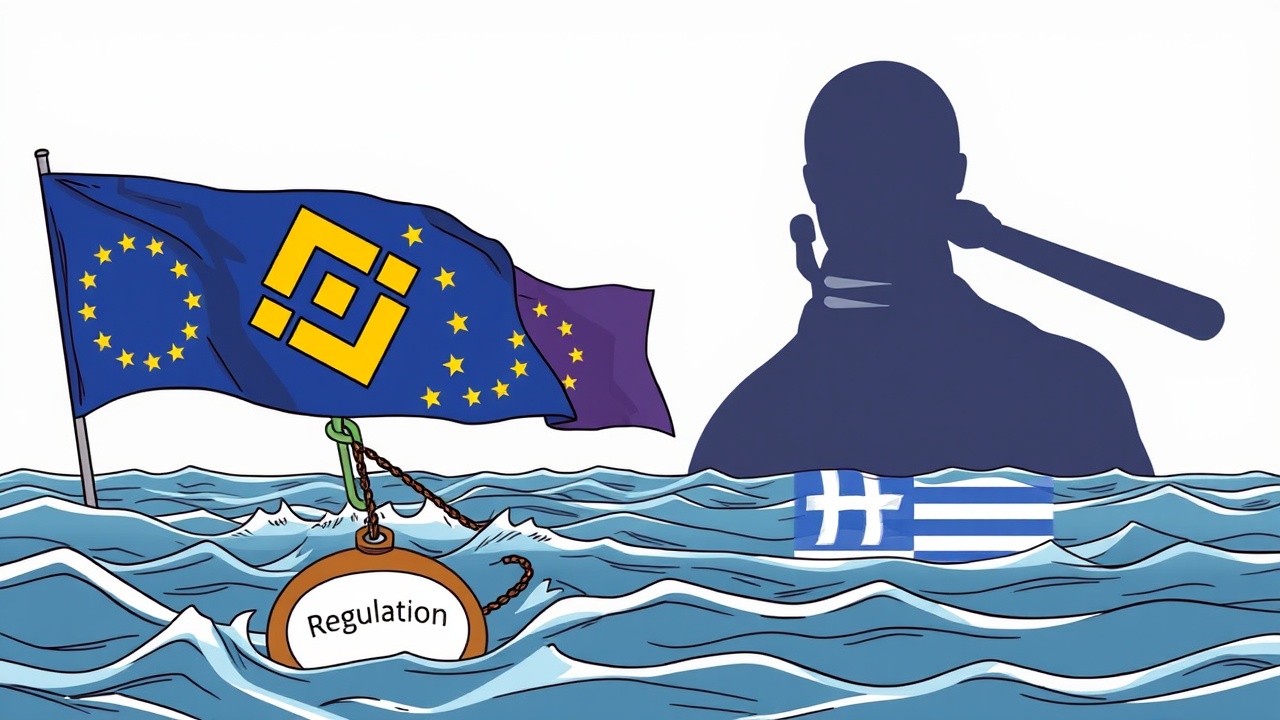
Binance, one of the largest cryptocurrency exchanges worldwide, is reportedly facing a significant challenge as its application for a Markets in Crypto-Assets (MiCA) license in Greece edges closer to denial. This situation poses a potential risk for the company to continue serving its clients across the European Union starting next month.
According to a Reuters report from June 16, citing sources with knowledge of the situation, it’s anticipated that the Hellenic Capital Market Commission will reject Binance’s application. As per the new EU MiCA regulations, all crypto-related companies must obtain authorization by the end of June in order to maintain legal operations throughout the bloc.
Potential Impact of License Rejection
If Binance’s application indeed faces rejection, it would lose the ability to provide services to its EU customers when the new regulations come into force in July. A spokesperson for Binance emphasized that the company has engaged deeply with regulators for the past 18 months, insisting that they have completed a thorough MiCA application review process with Greece’s financial regulatory body.
“The Hellenic Capital Market Commission has finalized its review and considers the application to adhere to MiCA’s standards,” the spokesperson stated, despite no formal communication indicating otherwise.
A representative from the Hellenic Capital Market Commission refrained from commenting on the specifics of the application due to confidentiality laws.
Binance’s Regulatory Aspirations in Greece
This setback is particularly notable given Binance’s earlier enthusiasm about Greece as a favorable regulatory environment for its European operations. At a conference in February, Richard Teng, Binance’s co-CEO, articulated the advantages of Greece’s workforce and security framework, which positioned it as a strong contender for establishing the firm’s European regulatory headquarters.
He recognized, however, that the final decision regarding licensing would ultimately lie with EU authorities ahead of the approaching deadline.
Broader Implications of MiCA License Rejection
The issues Binance faces in Europe are not isolated. Earlier in the year, the Bangko Sentral ng Pilipinas revealed that neither Binance nor its local associate, BlockShoals Technologies, possessed the necessary virtual asset service provider licenses to perform specific cryptocurrency functions in the Philippines. Reports indicated that while participating in the Securities and Exchange Commission’s StratBox regulatory sandbox, separate authorization from the central bank was still mandatory.
The implications of the expected MiCA license rejection are more widespread than the Philippine case, as it would affect Binance’s operations across all EU member states, allowing it to function under a single regulatory framework.
As of now, Binance asserts that it has fulfilled the required criteria for the MiCA license, although insiders suggest that an unfavorable ruling may be imminent before the licensing deadline next month.