South Korea’s Changing Stance on Cryptocurrency Investment
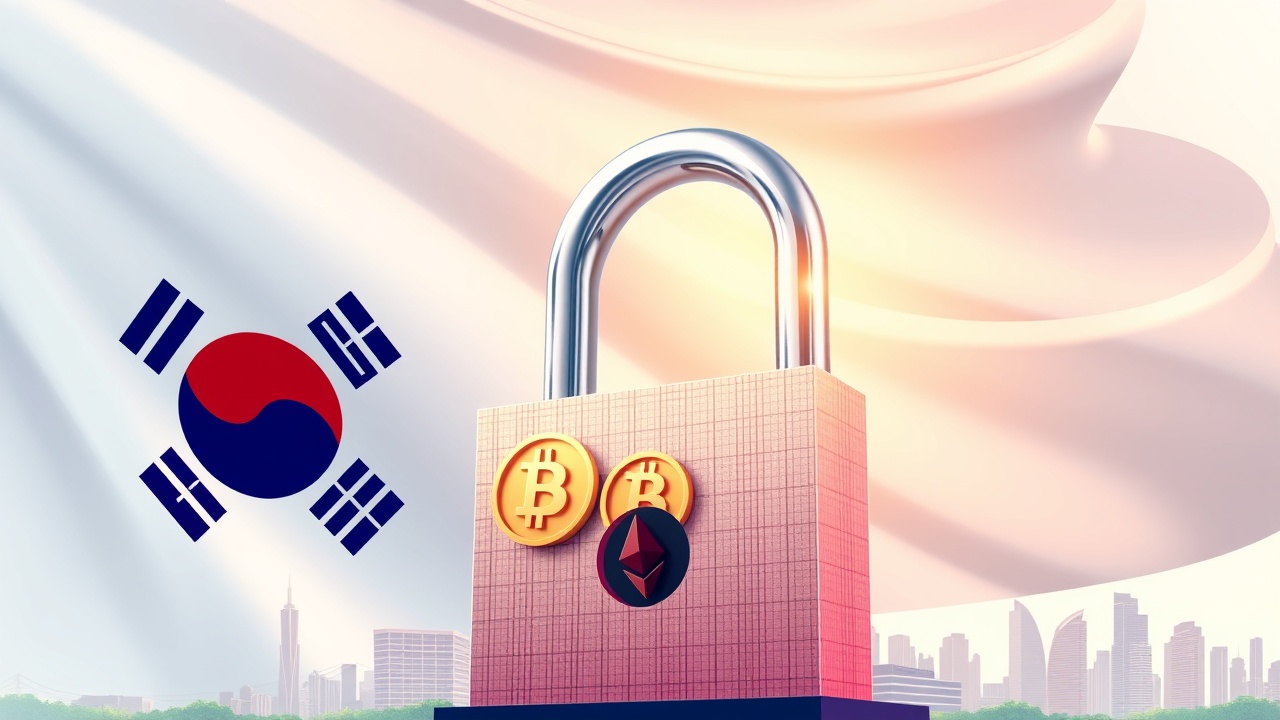
South Korea’s stance on corporate investment in cryptocurrencies is set to change dramatically as regulators prepare to end a nine-year prohibition on such activities. The Financial Services Commission (FSC) is formulating new regulations aimed at listed companies and sophisticated investors, with an anticipated completion date in February, as reported by the Seoul Economic Daily on January 12. This new policy will enable companies to start investing in the digital asset market by the end of 2026.
Proposed Investment Framework
Under the proposed framework, corporations will be allowed to allocate as much as 5% of their equity capital each year toward investments in cryptocurrencies. However, this investment will be restricted to the top 20 digital currencies based on market capitalization on South Korea’s leading five exchanges. One point still under consideration is whether popular stablecoins like USDT will qualify as investment options under this updated regulation.
Industry Response and Concerns
The move has been met with a largely positive response from the crypto industry, yet some stakeholders express apprehension regarding the 5% cap, arguing that it may hinder South Korea’s competitiveness in the global crypto market against regions like the United States, Japan, and the European Union, where companies face no such restrictions.
“Investment limits, which do not exist overseas, could weaken the inflow of funds and stifle the development of specialized virtual currency investment firms,” noted an industry expert.
Historical Context
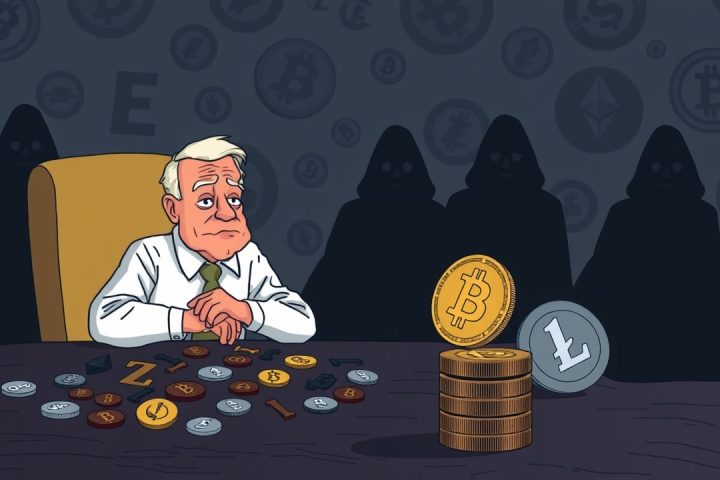
The backdrop to this significant policy shift dates back to 2017 when South Korea instituted a ban on corporate investments and Initial Coin Offerings (ICOs) due to concerns about the potential threats cryptocurrencies posed to the country’s financial stability, labeling these investments as non-productive speculation at the time.
Recent Regulatory Developments
In recent years, however, there has been a noticeable easing of regulations. The current administration, led by President Lee Jae-myung since 2025, has taken steps to reintroduce digital assets into the mainstream finance system. Just last year, South Korea took a progressive step by allowing non-profit organizations and crypto exchanges to manage crypto assets for financial purposes.
Despite these advancements, regulatory approvals have seen their delays. The Digital Asset Basic Law, intended to establish essential guidelines for stablecoin issuance, storage, and investor protection, has been postponed until 2026. Discussions also continue regarding whether the oversight of stablecoin reserves should be placed under the jurisdiction of the FSC or entrusted to the Bank of Korea, alongside determining which entities will be authorized to issue stablecoins pegged to the South Korean won under the new regulatory regime.