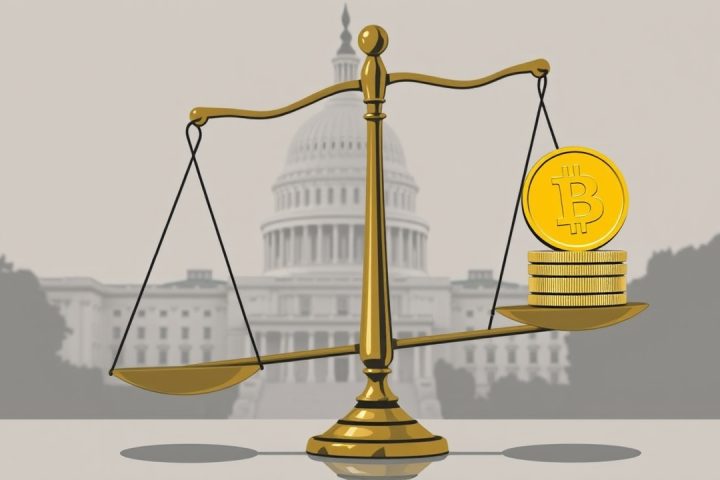
South Korea Updates Public Debt Relief Framework
In a notable shift, South Korea has updated its public debt relief framework to account for cryptocurrency holdings. This move is part of a broader effort to enhance the evaluation of an applicant’s financial condition and to ensure that debt forgiveness aligns more closely with the individuals’ ability to repay. Following a review meeting on June 25 between the Financial Services Commission (FSC) and the Korea Asset Management Corporation (KAMCO), officials announced that revisions would be made to the New Start Fund, which serves as a debt restructuring scheme for self-employed individuals and small business operators.
Enhanced Financial Assessments
The FSC revealed that, going forward, assessments will consider a wider array of investment assets, specifically targeting cryptocurrencies and unlisted securities that previously slipped under the radar of standard financial disclosures. This revision seeks not only to enhance the evaluation process but also to optimize the distribution of public financial support, aiming to curb unnecessary expenditures by the government.
Since January, individuals who trade on South Korea’s five primary cryptocurrency exchanges have been mandated to produce certificates verifying their virtual asset balances. These documents are crucial for KAMCO, as they play a significant role in verifying eligibility for debt alleviation. Furthermore, as of May, applicants have also been asked to disclose their holdings of unlisted shares, though any shares associated with privately owned businesses will not be subjected to scrutiny, recognizing the crucial importance of maintaining operational income for those businesses.
Debt Forgiveness Policy Changes
The FSC has noted a shift in policy where debt forgiveness will be more closely tied to repayment abilities. Current stipulations permit unpaid debt reductions ranging from 60% to 80% if delinquency exceeds 90 days, while low-income borrowers may see reductions reach up to 90%. However, with the new framework, if borrowers demonstrate the capacity to repay more than 100% of their loans, the minimum reduction will drop to 30%. Adjustments in relief amounts will vary between 5% to 30%, contingent upon the assessed ability to repay.
Access to Property Data and Regulatory Changes
Additionally, starting August 13, recent amendments to South Korea’s Credit Information Act will enable governmental debt restructuring entities to access bulk property data. This will include regular updates on cryptocurrency and unlisted share holdings from pertinent institutions, allowing for improved verification of asset declarations post-debt restructuring.
Beyond the debt relief programs, South Korea’s regulatory landscape is evolving as the FSC proposed an expansion of its regulatory sandbox to incorporate laws governing digital assets. Furthermore, a new licensing structure facilitating cross-border virtual asset transactions has received government approval, set to take effect in December. Such measures align with the growing trend in digital asset activities within South Korea’s financial sector, where cryptocurrency-based remittances have surged by an astonishing 380% over the last three years, reflecting the ongoing investment in blockchain-based payment systems by banks and fintech companies.