Urgent Call for Stablecoin Regulations
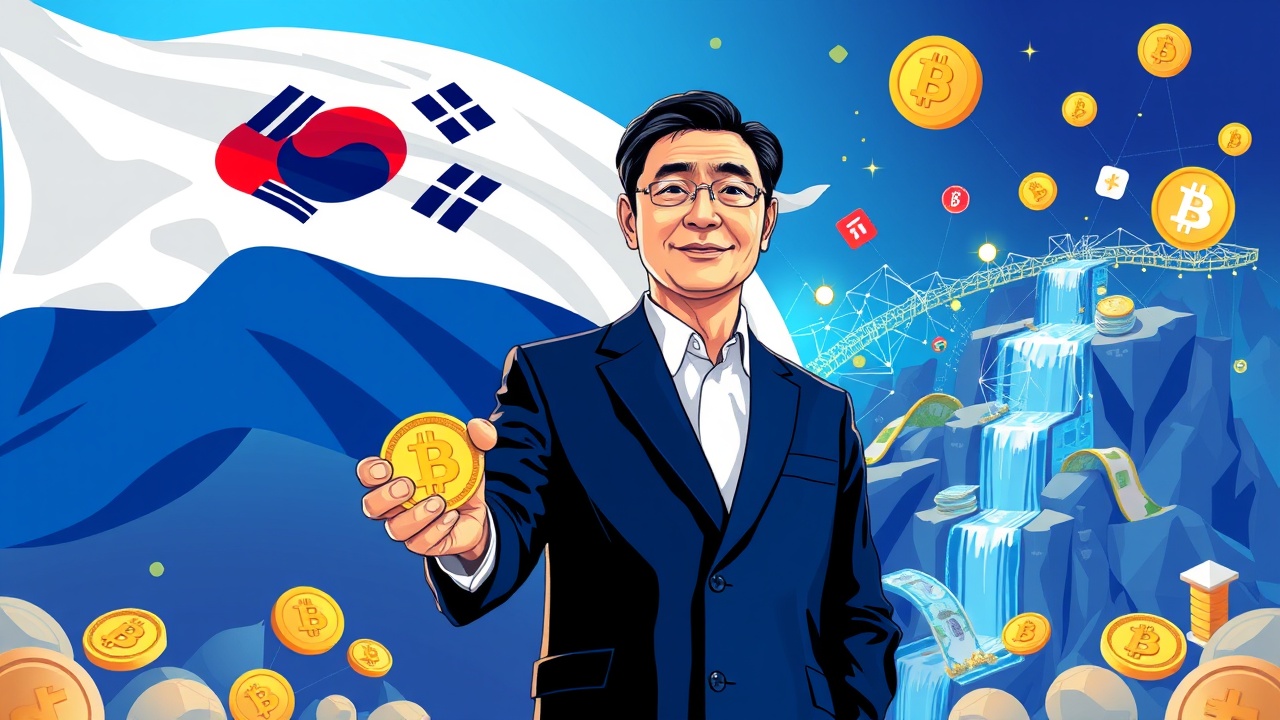
A South Korean lawmaker has urged the government to hasten the establishment of regulations surrounding stablecoins, citing the potential jeopardization of the country’s monetary autonomy if action is not taken promptly. During the eighth Global Business Forum held in Seoul, Representative Min Byoung-dug from the Democratic Party of Korea highlighted the significance of developing a comprehensive legal framework for these digital assets.
The Importance of Stablecoins
Rep. Min underscored that stablecoins are essential for maintaining oversight and control of national payment systems. As these dollar-pegged cryptocurrencies become increasingly prevalent on the global stage, he warned that South Korea could lose its financial influence without timely legislation.
The member of the Political Affairs Committee pointed out that discussions about the theoretical importance of stablecoins have progressed to the necessity of practical implementation. He characterized these digital currencies as pivotal for handling international payments, facilitating trade settlements, and processing remittances.
Concerns Over Monetary Sovereignty
Min expressed particular concern about the rising adoption of USD-pegged stablecoins as standard payment forms in global commerce. He argued that if South Korea does not develop its own won-backed alternative, it may suffer an erosion of its monetary sovereignty. As he noted, dollar-linked stablecoins present a new currency classification that requires strategic governmental consideration.
Advantages and Market Pressures
Among the advantages of stablecoins, he noted their capability to expedite transaction times and lower costs for cross-border payments. These factors make them increasingly appealing to businesses involved in international trade. Despite the existing regulatory void, emerging market pressures are compelling Korean enterprises to adjust their practices.
Numerous companies face challenges as international partners demand acceptance of dollar-based stablecoins for overseas transactions, a trend persisting independent of domestic regulatory stances. Evidence of this shift is already observable among small and medium-sized businesses in Korea, as some are compensating foreign employees using dollar-denominated stablecoins to meet growing demands for such payment methods. Several enterprises are actively seeking stablecoin solutions for their international transactions.
Need for Regulatory Action
Rep. Min cautioned that if these trends continue unregulated, foreign stablecoin systems may become ingrained in everyday financial dealings, complicating the government’s ability to maintain regulatory oversight. Consequently, addressing this issue will be critical for safeguarding Korea’s economic integrity and payment autonomy.