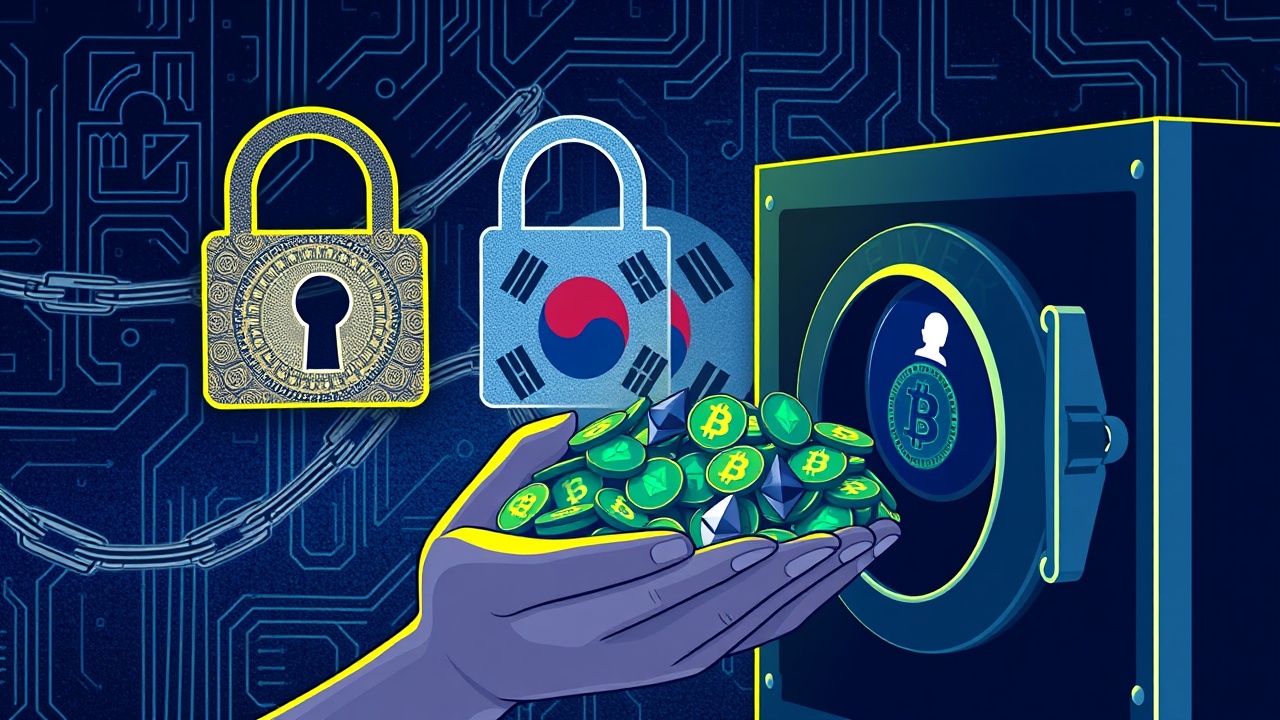
South Korea’s National Tax Service Responds to Security Breach
In light of a recent security breach, South Korea’s National Tax Service (NTS) has initiated the process of finding a private firm to manage the custody of cryptocurrencies that have been confiscated. This decision comes after a serious incident on February 26, when private keys to a digital wallet were inadvertently disclosed in a public press release, leading to the unauthorized transfer of approximately $4.8 million in digital assets.
Evaluation of Custody Firms
According to ZDNet Korea, the NTS is in the midst of evaluating prospective companies to partner with for the custody of these assets. Criteria for selection will include:
- Stringent security measures
- Size of the organization
- Relevant insurance in accordance with South Korea’s Virtual Asset User Protection Act
Formation of a New Task Force
To oversee this initiative, the NTS has established a new task force dedicated to managing digital assets. This group is actively developing operational manuals that will outline procedures from the time assets are seized to their eventual storage and liquidation. Additionally, the task force will provide internal assessments and staff training to ensure robust handling of digital assets.
Need for Enhanced Organization
The need for enhanced organization is highlighted by a NTS official who noted the current division of responsibilities across various departments. However, plans are in motion to form a centralized division specifically focused on cryptocurrency.
Growing Security Concerns
This breach is not an isolated incident, as South Korea has experienced a growing number of security issues regarding seized crypto assets. At least two other cases involving law enforcement and related agencies have reported similar losses or compromises of their seized digital currencies.
In response to this growing concern, the South Korean National Police Agency is implementing new standardized protocols for the management of seized cryptocurrencies, which will cover essential aspects such as wallet address management, private key safety, and overall storage procedures.