Purchasing Coffee with Cryptocurrency
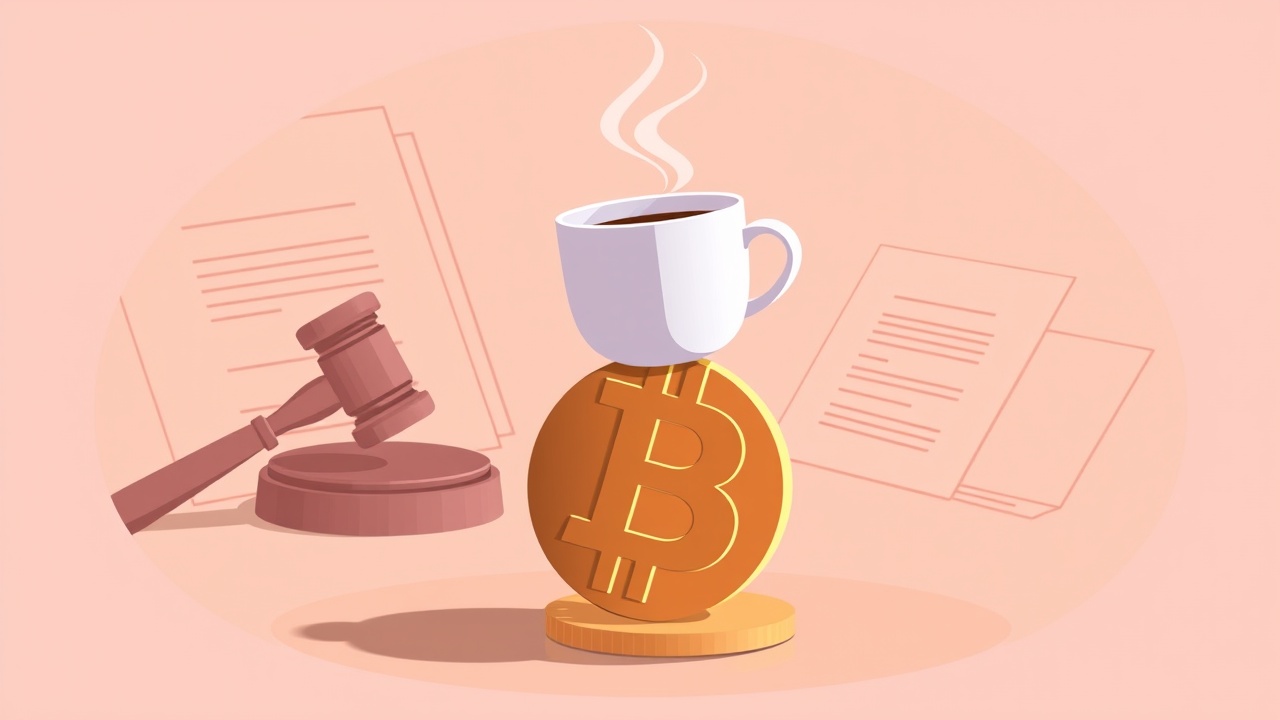
Purchasing coffee with cryptocurrency may soon come with fewer burdens for users. When buying a modest latte priced at $4 with Bitcoin, buyers are currently required to calculate capital gains due to the cryptocurrency’s transaction value appreciating even slightly. This requirement, established by the IRS’s classification of Bitcoin as property, imposes a significant challenge to its mainstream utilization in commerce.
Movement to Alleviate Taxation Hurdles
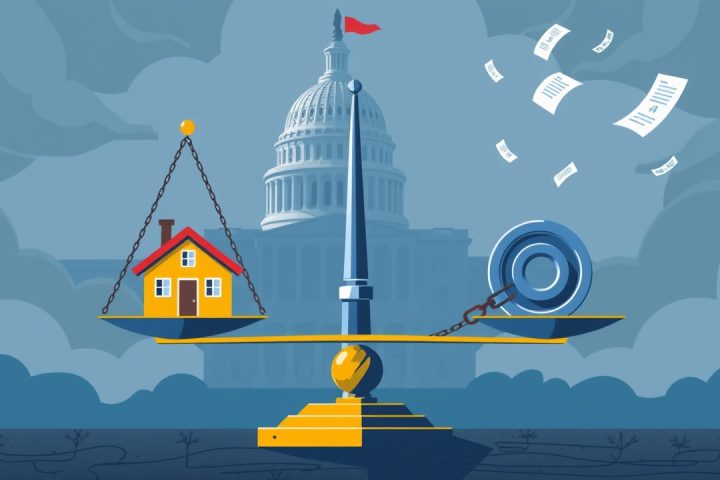
However, there’s a burgeoning movement aiming to alleviate this taxation hurdle, particularly as discussions intensify in Washington. The Bitcoin Policy Institute (BPI) highlights that the current Congress may present its most promising chance in ten years to enact a de minimis tax exemption. This would allow small transactions using digital currency without triggering complex tax calculations, mimicking past actions taken regarding foreign currencies.
Legislative Efforts and Proposals
In 2025, Senator Cynthia Lummis introduced legislation aimed at establishing a generous threshold: transactions under $300 would be exempt from taxation, capped at $5,000 annually for digital purchases. Notably, even Treasury Secretary Scott Bessent acknowledged the significance of this tax issue.
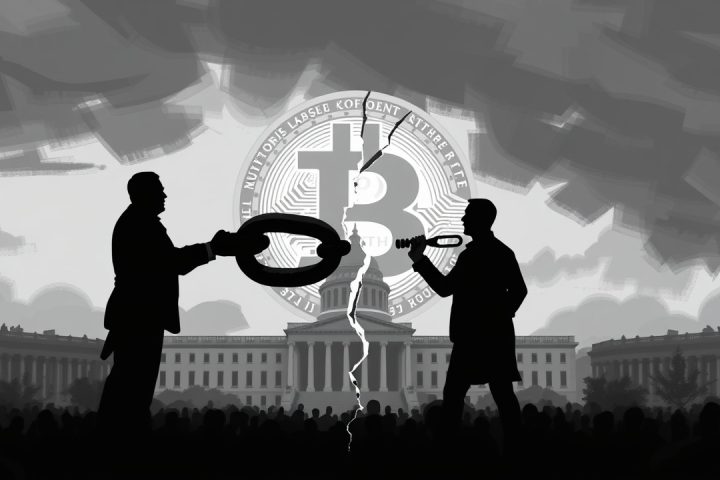
A recent bipartisan initiative proposed by Representatives Max Miller (R-OH) and Steven Horsford (D-NV) suggested narrowing this exemption exclusively to recognized stablecoins, which many Bitcoin advocates view as a significant setback.
Advocacy and Challenges Ahead
In response, the BPI has initiated a robust outreach campaign on Capitol Hill, engaging with nearly 19 congressional offices over the past three months to argue against such limitations, emphasizing that focusing solely on stablecoins overlooks the broader potential of Bitcoin.
As the midterm elections draw near, the chance to secure an exemption appears to be dwindling. With Senator Lummis set to leave the Senate in January 2027, advocates are pressing for swift legislative movement. The BPI warns,
“If a package does not come together in the next few months, the opportunity may not return for years.”