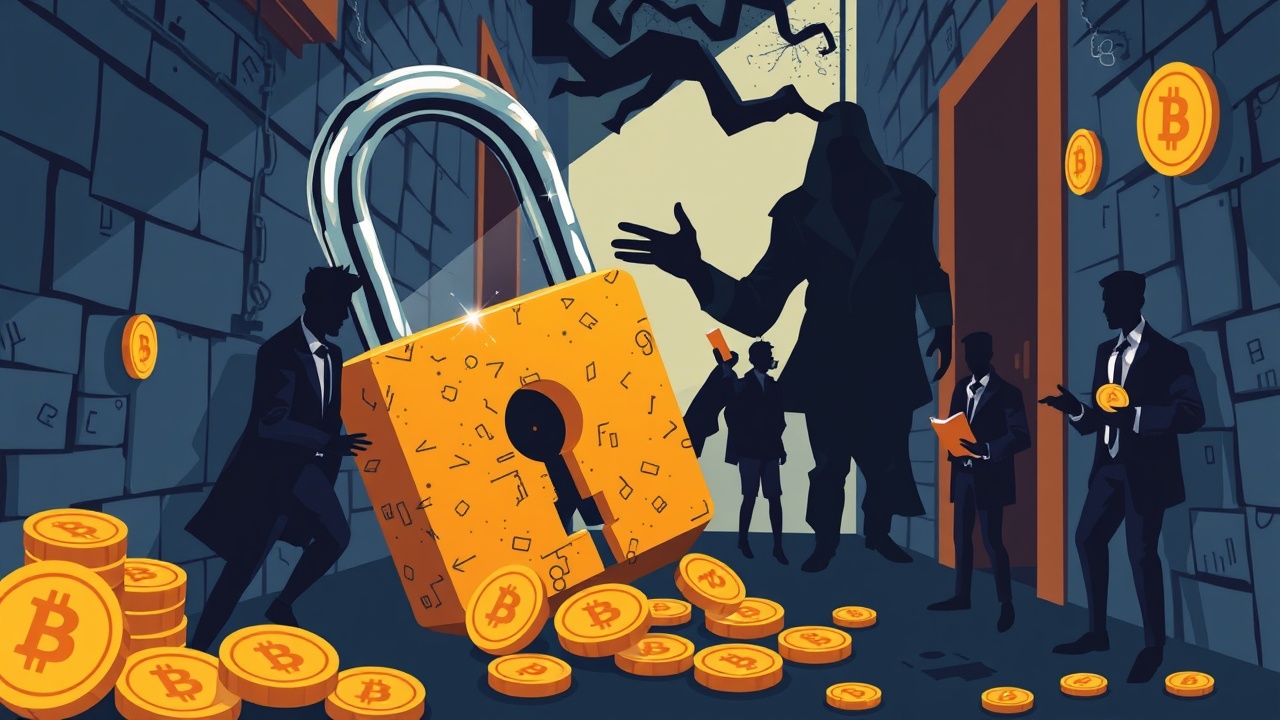
The Evolving Landscape of Cryptocurrency Hacking
The landscape of cryptocurrency hacking has shifted dramatically, transitioning private key theft into a highly organized venture, as reported by GK8, a company focused on crypto custody and backed by Galaxy Digital, an investment platform founded by Mike Novogratz. Their latest findings indicate that cybercriminals are now employing sophisticated tools to efficiently uncover and swipe seed phrases from unwitting users.
Systematic Approach to Theft
The report released on Monday reveals that this illicit enterprise has grown more systemic, with hackers utilizing specialized malware, including infostealers and seed phrase locators, to harvest private keys from a variety of sources such as files, documents, cloud backups, and online communications. Essentially, these tactics grant attackers unimpeded access to victims’ cryptocurrency holdings.
“Effective risk management in the face of this evolving threat is crucial for the realm of cryptocurrency,”
asserts the report. This includes adopting robust custody solutions, instituting multi-step transaction approvals, and distinguishing roles within organizations.
Phases of Private Key Theft
According to GK8, the initial phase of a private key theft involves the deployment of malware to siphon off extensive data from a compromised device. Subsequent to that, hackers employ automated software that reconstructs seed phrases and private keys from the acquired information. Upon locating lucrative wallets, they analyze the existing security measures to successfully drain them of funds.
“These sophisticated programs are capable of high-precision mnemonic parsing and fetch hundreds of dollars in the dark web,”
GK8 elaborates.
Threats to macOS Users
The threat posed by malware infostealers is noted to be particularly significant, even affecting macOS users, who previously perceived their devices as secure due to Apple’s inbuilt protections. A report by cyber intelligence firm Kela suggests that the prevalence of infostealer attacks on macOS is set to peak by 2025, prompting concerns about the platform’s vulnerability to cyber threats.
Proactive Defense Strategies
In response to the growing frequency of private key thefts, users are encouraged to adopt proactive strategies to fortify their defenses. This includes treating all local data as potentially vulnerable, refraining from storing seed phrases digitally, and employing multiparty approvals for cryptocurrency transactions. GK8 emphasizes that a balanced portfolio of hot, cold, and ultra-secure vault storage is essential to limit exposure to potential theft.
Vigilance Against Social Engineering
Kela also highlighted the importance of vigilance against social engineering tactics often utilized by malware creators, such as deceptive installers, malicious advertisements, and phishing schemes. To further enhance security, users should exercise caution with attachments and links, avoid software from unverified sources, and be skeptical of scams that capitalize on macOS’s perceived safety. It is crucial to maintain unique and robust passwords for financial applications, activate multifactor authentication, and ensure that the operating system and applications remain current to fend off potential malware incursions.