The Quest for Free Bitcoin
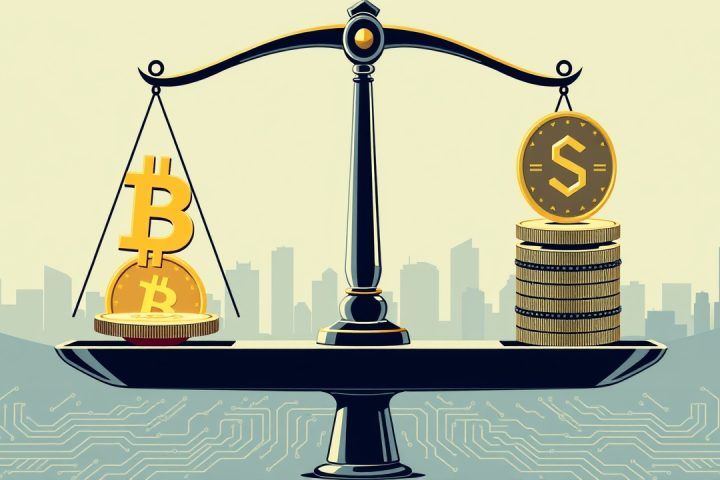
The quest for free Bitcoin is a familiar scenario, especially among those new to cryptocurrency. With its alluring premise of acquiring assets without spending cash, many have been lured into the search for effortless Bitcoin. Unfortunately, in today’s market, the concept of obtaining genuinely free Bitcoin is virtually nonexistent. Unlike in the early days of the cryptocurrency industry, claiming Bitcoin without any cost or labor is not feasible at present.
The Early Days of Bitcoin Faucets
The movement for accessible Bitcoin began back in 2010, when developer Gavin Andresen introduced the first Bitcoin faucet on June 12. This innovative site rewarded individuals with 5 BTC for successfully solving a CAPTCHA. At the height of its operation, Andresen distributed approximately 19,700 BTC, which was realistic due to Bitcoin’s nascent status, minimal value, and a community-focused ethos. However, as the cryptocurrency gained traction and its value skyrocketed, these faucets saw reduced payouts and ultimately ceased operations by early 2012 due to rampant abuse and a changing market.
Shifts in Accessibility
A notable event in 2012 involved BitInstant, which famously gave away 100 BTC at a promotional booth. This example underscores that, during the early days, opportunities for free Bitcoin distribution were more common. But what has caused the drastic shift in accessibility?
The most straightforward answer lies in the maturation of the cryptocurrency ecosystem. As Bitcoin’s worth ballooned, the competitive landscape of mining and transactions intensified, regulatory frameworks tightened, and the prevalence of scams rose sharply. Consequently, the model of distributing free Bitcoin without any strings attached became unsustainable. Nowadays, claims of “free bitcoin” are typically tied to various conditions, often requiring users to engage in laborious micro-tasks, endure advertising, or face significant risks associated with scams and phishing.
The Reality of Free Bitcoin Today
In the early days when Bitcoin was valued at mere cents, giving away 5 BTC was a reasonable marketing strategy. Yet, as valuations soared into the thousands per coin, such giveaways became unrealistic from a financial standpoint. The initial faucet system had to scale back its rewards before eventual closure. Furthermore, with Bitcoin’s rising prominence, fraudsters took notice and began exploiting offers of “free bitcoin” to deceive users, spread malware, or create unsustainable enterprises. This prompted increased scrutiny and caution from regulatory bodies and platforms, making genuine giveaways a rarity.
What remains today is a stark departure from pure giveaways. Most legitimate avenues for obtaining Bitcoin resemble small-income tasks more than outright gifts. While crypto faucets still exist, they yield minuscule payouts. Affiliate schemes offer bonuses for referrals, airdrops provide early access to new tokens, but nothing aligns with simply claiming Bitcoin with little to no investment.
Pragmatic Approaches to Acquiring Bitcoin
For those wishing to acquire Bitcoin, consider a more pragmatic approach akin to typical asset acquisition: buy Bitcoin through a regulated exchange, earn it by offering services, or engage in trustworthy incentive programs where you comprehend the necessary trade-offs. Be wary of sites making grand claims about “free Bitcoin.” Always verify their legitimacy, ensure you’re not risking private keys or making hefty upfront payments, and accept that any tangible rewards will likely be minimal or require significant effort.
Conclusion
In conclusion, the fantasy of just visiting a website and walking away with free Bitcoin is a relic of the past. Although remnants of such offers still exist, it’s crucial to understand that they come with realities of tiny payouts, necessary effort, and potential risks.