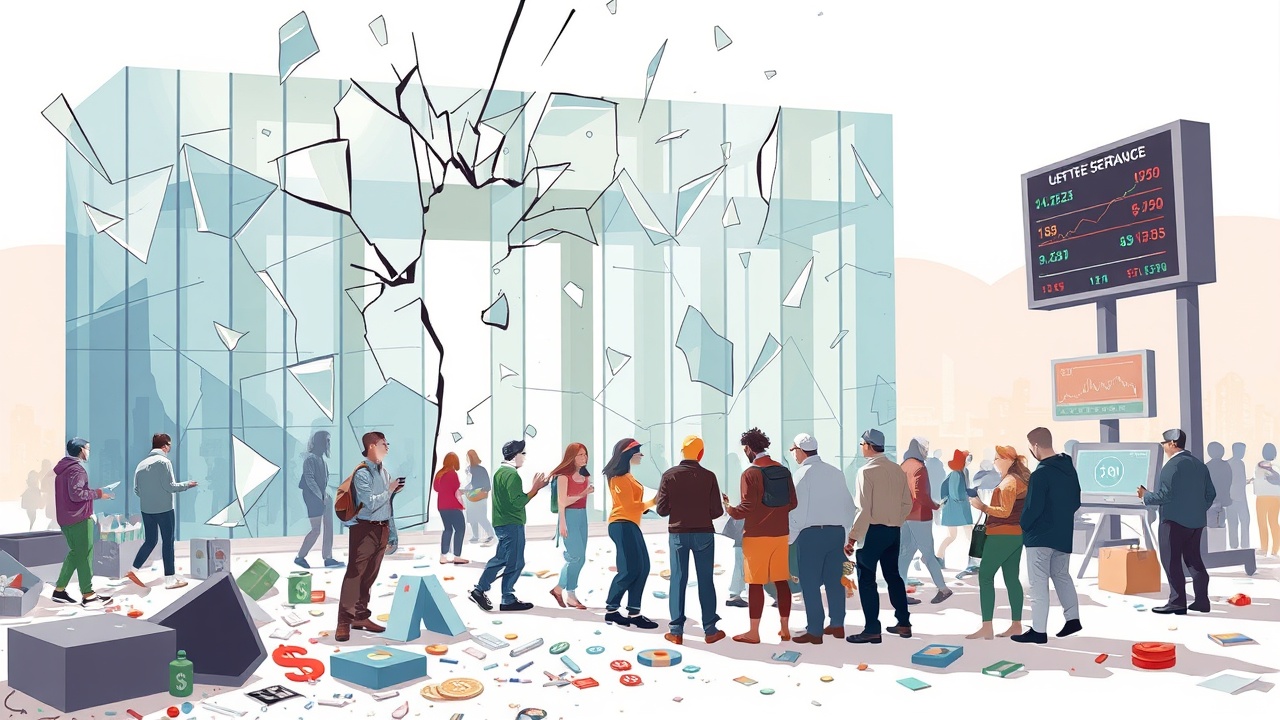
Binance’s Operational Changes and User Trends
In July, Binance significantly altered its operational landscape for European users, which inadvertently shifted attention towards self-custody wallets as a prominent withdrawal trend. Initially, industry experts and regulatory agencies believed that traders affected by these changes would seamlessly transition to alternative regulated exchanges. The expectation was for users to navigate the process of signing up under tightened regulations and resume trading without a hitch, but reality unfolded quite differently.
User Withdrawal Patterns
According to Binance’s own data—albeit preliminary and unverified—around 70% of users withdrew their assets to personal wallets instead of moving them to competing exchanges. In contrast, only 30% redirected their funds to rival platforms. This trend signifies a notable inclination among traders to retain direct control over their crypto assets rather than revert to centralized venues.
The Evolution of Self-Custody Solutions
Historically, the landscape demanded traders to rely on centralized exchanges like Binance to buy cryptocurrencies such as Bitcoin, and subsequently exchange them for assets on different blockchains, which involved a complex understanding of cryptography. For many, centralized exchanges were the only practical option due to a dearth of suitable alternatives. However, the evolution of self-custody solutions has dramatically changed the game, empowering users to manage their own assets with newfound independence.
Advancements such as self-custody wallets like MetaMask have transformed the daunting notion of “being your own bank” into a user-friendly experience. Meanwhile, hardware wallets have simplified asset storage, providing safe yet straightforward options that appeal to everyday users. Moreover, protocols like THORChain have facilitated asset swapping across various networks without the need for a centralized intermediary, allowing users to retain full control during the exchange process.
The Shift in User Behavior
The growing accessibility of these tools has diminished the appeal of keeping significant sums locked in centralized exchanges, which were previously viewed as necessary conveniences. Individuals now feel comfortable trading directly from their own wallets, revealing that the loyalty to big platforms may have been more a matter of habit than necessity.
Challenges of Self-Custody
However, transitioning to self-custody is not without its own challenges. Users must now bear the full responsibility of managing their private keys, as lost access cannot be recovered and there is no support line for assistance—limitations that exchanges previously alleviated. For many, the trade-off between convenience and ownership is a personal choice, and while some may prefer the hands-off approach of an exchange, others are increasingly inclined to embrace self-management of their funds.
Conclusion: A Pivotal Moment for Cryptocurrency Users
The data emerging from Binance’s user behavior in Europe indicates a pivotal moment where individuals chose to maintain ownership of their cryptocurrency rather than reverting to traditional exchanges. This shift does not stem from a backlash against regulatory changes; rather, it speaks volumes about the growing confidence in self-custody tools. What was once assumed—a necessary reliance on centralized exchanges—has begun to unravel, revealing users’ increasing desire for independence in handling their crypto assets. The statistics suggest that, after July 1st, the perceived indispensability of intermediaries could no longer hold its ground, highlighting a broader trend towards self-sufficiency among cryptocurrency enthusiasts.