Introduction to Bitcoin’s Supply
Since its inception in 2009, Bitcoin has captured attention for its defining characteristic: a limited and predetermined total supply of 21 million coins. This unique feature is a result of its underlying design, which avoids the infinite printing seen in conventional currencies. Instead, Bitcoin employs a systematic approach known as “halving” that regulates its issuance over time.
The Halving Process
Approximately every 210,000 blocks, or roughly every four years, the reward for miners who validate transactions is halved. Initially, miners received 50 Bitcoins per block; this amount has decreased in stages to 25, 12.5, and most recently to 6.25 Bitcoins following the halving event on April 20, 2024. The latest adjustment now sees the block reward set at 3.125 BTC.
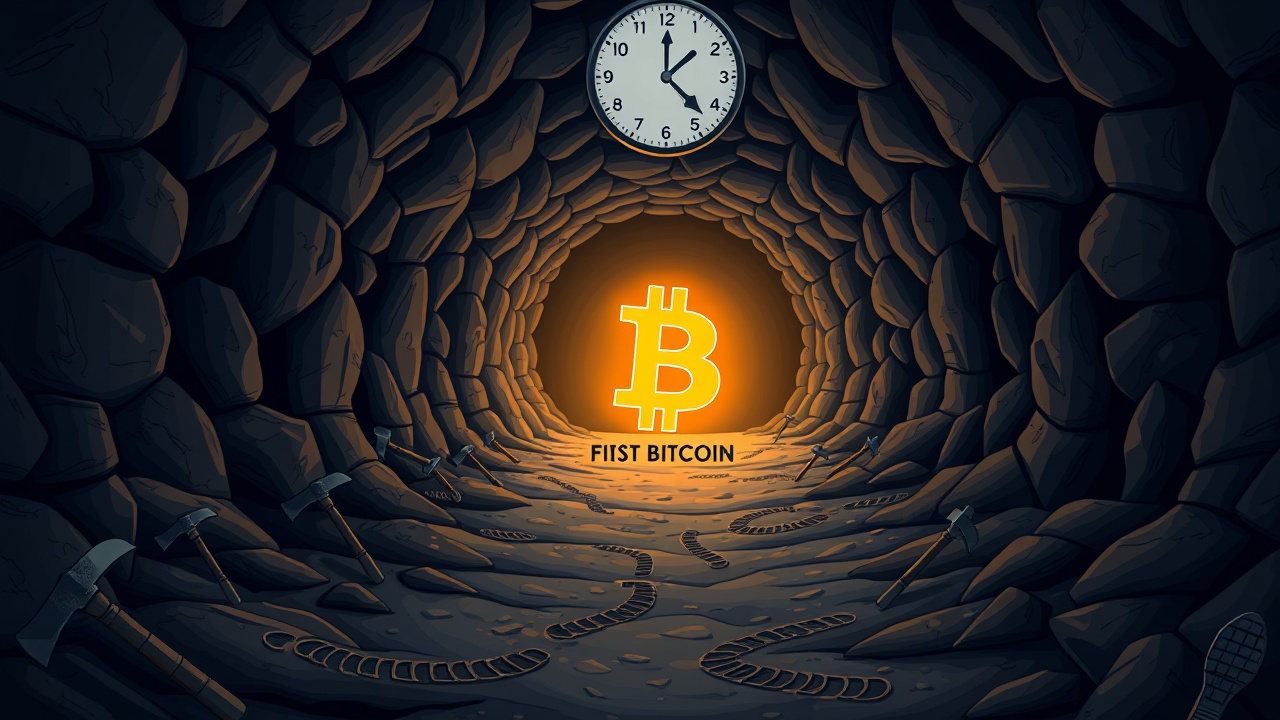
This halving process is crucial, as it dramatically slows down the rate at which new Bitcoins enter the market. Eventually, the block reward will diminish to inconsequential amounts, ceasing new Bitcoin production altogether. Experts predict that the final Bitcoin will be mined by the year 2140. As of late 2025, the amount of Bitcoins mined has already surpassed 19.95 million, which accounts for about 95% of the total maximum supply, leaving less than 2 million coins yet to be mined.
Future of Bitcoin Mining
As miners continue to operate, generating approximately one block every ten minutes, the gradual reduction of the mining reward means that the issuance will slow to a crawl as the network approaches the 21 million cap, hence the lengthy timeline until 2140. After all Bitcoins have been mined, miners will solely rely on transaction fees from users, rather than block rewards, for their income. This transition will not signal the end of the Bitcoin network; miners will continue to secure the blockchain and validate transactions, provided transaction volumes and fees remain sufficient to incentivize their activities.
Bitcoin’s Scarcity and Value
A crucial aspect of Bitcoin’s design is its programmed scarcity, which contrasts sharply with traditional fiat currencies that can be printed without limits. As new Bitcoins become increasingly rare following each halving event, the remaining coins are likely to appreciate in value due to their limited availability. This scarcity is why many view Bitcoin as “digital gold”. Over the decades ahead, as the last of the coins are mined, the interplay between Bitcoin’s growing scarcity and increasing demand could further solidify its reputation as a reliable store of value.
Conclusion
In summary, under the existing regulations and assuming no substantial alterations to the network, the last Bitcoin is anticipated to be mined around 2140. As of now, only a fraction of the full supply remains, underscoring Bitcoin’s unique value proposition in the financial landscape.