Investing in Hardware Wallets for Digital Assets
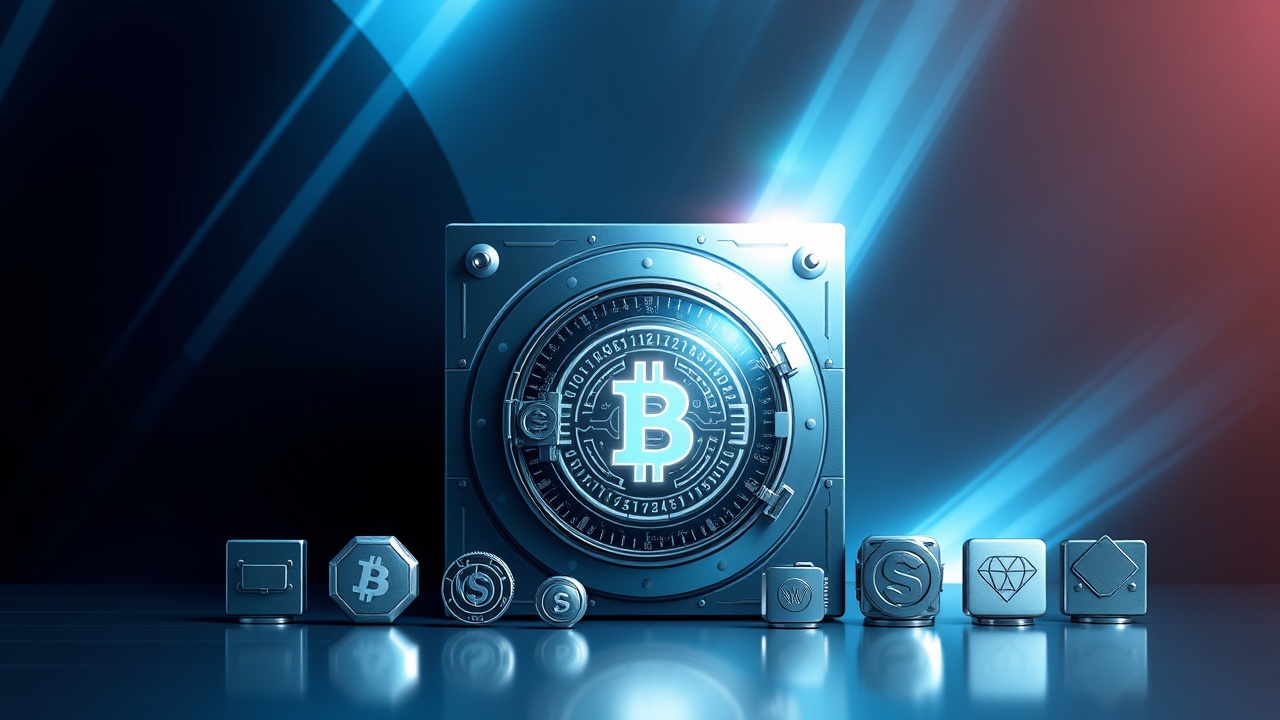
As of 2026, investors looking to secure their digital assets can rely on hardware wallets, recognized as one of the most reliable methods for protecting cryptocurrencies from online attacks, such as hacks and phishing attempts. These cold storage devices ensure that private keys remain offline, providing unparalleled control over assets like Bitcoin, Ethereum, and NFTs.
Top Hardware Wallet Options
Ledger Nano X
Among the leading options in the market is the Ledger Nano X, which integrates advanced security features with user-friendly mobility. Utilizing Ledger’s Secure Element and BOLOS OS, it shelters private keys offline and accommodates more than 5,000 cryptocurrencies. Users benefit from its Bluetooth and USB-C connectivity, along with seamless technology integration through Ledger Live for asset management, staking, trading, and portfolio tracking. However, while its security is robust, the wallet does require Ledger Live to unlock its full potential and incorporates some closed-source elements. Pricing is positioned around $99.
Ledger Stax
Another notable choice is the Ledger Stax, which comes with a cutting-edge E-ink touchscreen display for effortless navigation. Priced at approximately $399, it retains similar security features from Ledger and can manage an extensive array of cryptocurrencies, including NFTs. This wallet is particularly appealing to those who want an advanced level of usability alongside strong protection, but it does come with a higher price tag than its counterparts and requires regular battery charging.
Trezor Model T
For those who appreciate open-source technologies, the Trezor Model T offers a premium wallet experience with a full-color touchscreen and USB-C connectivity, setting it apart with its transparent firmware. The Trezor Suite provides easy portfolio management and supports a wide variety of coins, which appeals to security-minded users. Although it is priced around $129, it lacks Bluetooth capabilities and is somewhat more expensive than basic models.
Trezor Model One
Trezor’s entry-level Trezor Model One remains a reliable option for newcomers, offering a straightforward two-button operation and open-source firmware. With a budget-friendly price of roughly $49, it supports numerous popular cryptocurrencies, though it lacks a large display and more sophisticated features available in premium options.
SecuX V20
Moving into the mid-tier segment is the SecuX V20, which provides an intuitive touchscreen interface and Bluetooth functionality, catering to users on the move. This wallet supports a diverse range of cryptocurrencies and employs PIN protection and encrypted storage for additional security. Available for approximately $139, it, however, has less recognition compared to Ledger and Trezor, and feedback has been mixed.
Block’s Bitkey
Block’s Bitkey distinguishes itself by targeting Bitcoin users with a unique multisignature setup that fortifies security and recovery processes. Alongside its hardware component, it features a mobile app to create an innovative solution for long-term Bitcoin holders, priced at around $215, although its functionality is more limited regarding multi-chain support.
Tangem Wallet
For those seeking simplicity, the Tangem Wallet offers an NFC-enabled card that dispenses with traditional seed phrases, securing private keys in an embedded chip. Priced between $54 and $180, it supports over 14,000 assets and is managed through a mobile app, making it a beginner-friendly choice, although it necessitates an NFC-enabled smartphone and lacks a built-in display.
OneKey Pro
Lastly, the OneKey Pro is an advanced hardware wallet featuring Bluetooth and USB-C connectivity combined with a touchscreen, enabling a wide array of digital assets to be managed. Priced at approximately $278, it includes advanced security tools and integrates with various portfolio management applications. However, some users have reported varying reliability, suggesting it may be more suitable for seasoned investors.
Conclusion
Overall, the hardware wallet market in 2026 showcases a variety of options tailored for every investor profile—from those who prioritize simplicity to the advanced user in need of comprehensive security features that include multisig capabilities, ensuring that each cryptocurrency key is securely stored and easily managed.