Cryptocurrency Theft Linked to North Korea
A recent analysis by TRM Labs reveals alarming trends in cryptocurrency theft linked to North Korea, identifying these state-sponsored hackers as responsible for approximately 76% of the total hacking losses in the crypto space this year, amounting to around $577 million in just the first four months of 2026. The report, referenced by The Block, highlights the sophistication and increasing frequency of attacks carried out by these hackers, particularly targeting decentralized finance (DeFi) protocols and crypto exchanges like KelpDAO and Drift Protocol.
Escalation of Cybercrime
The escalation in North Korean cybercrime has shown a steady increase over the past five years, starting from 22% of global crypto thefts in 2022, which saw a rise to 76% in 2026. This continuing trend has pushed the total illegal profits amassed by these groups to over $6 billion since 2017, suggesting that their methods are becoming more efficient at evading sanctions through the use of digital assets. Enhanced laundering techniques and refined operational strategies are believed to both contribute to this growth and signify a strong state directive to further engage in such illicit activities.
Significant Hacking Events
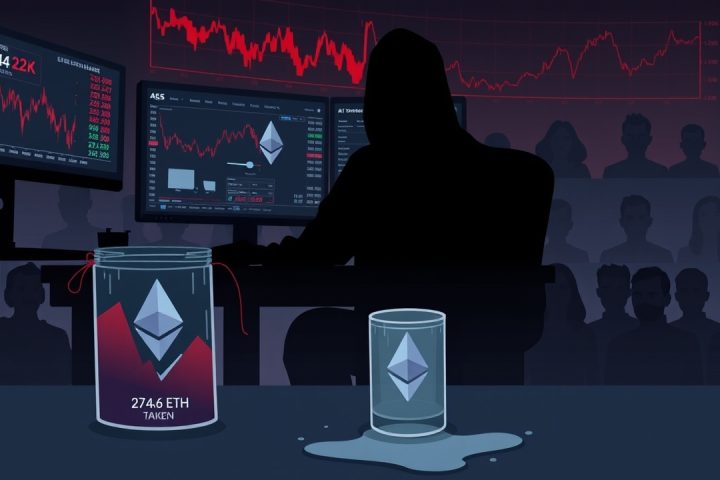
Of notable concern are two significant hacking events reported in April 2026: a staggering $292 million breach of KelpDAO and another theft of $285 million from Drift Protocol, which collectively account for the vast majority of the year’s reported losses. These incidents highlight how a limited number of high-impact hacking activities are capable of substantially affecting overall loss figures, representing about 3% of all hacking occurrences during the same period.
Impact on the DeFi Sector
The concentration of these large-scale thefts raises crucial issues about the integrity and design of smart contracts and cross-chain infrastructure within the DeFi sector. Financial ramifications are widespread, as these sizeable attacks not only plummet the value of affected tokens but also create liquidity shortages across interconnected financial ecosystems, prompting market makers and liquidity providers to reassess their exposure to risk.
Regulatory Responses and Market Dynamics
As the frequency of these high-value hacks continues to rise, regulatory and institutional responses are expected to intensify. The focus on North Korean involvement in cryptocurrency theft suggests that global authorities may take stricter measures against centralized exchanges and money laundering services, ultimately increasing compliance burdens for the crypto industry as a whole. For investors dealing with prominent cryptocurrencies like Bitcoin and Ethereum, the recurrence of significant hacking incidents attributed to North Korea is likely to escalate perceived risks, affecting risk premiums and causing systemic issues, including forced liquidations during major market disruptions.
Conclusion
In summary, TRM Labs emphasizes the evolving landscape of cryptocurrency theft, where well-funded and politically aligned hacking efforts are becoming a pivotal factor shaping market dynamics and regulatory responses — transforming the narrative from a mere background issue to a pressing concern with real consequences for the broader crypto ecosystem.