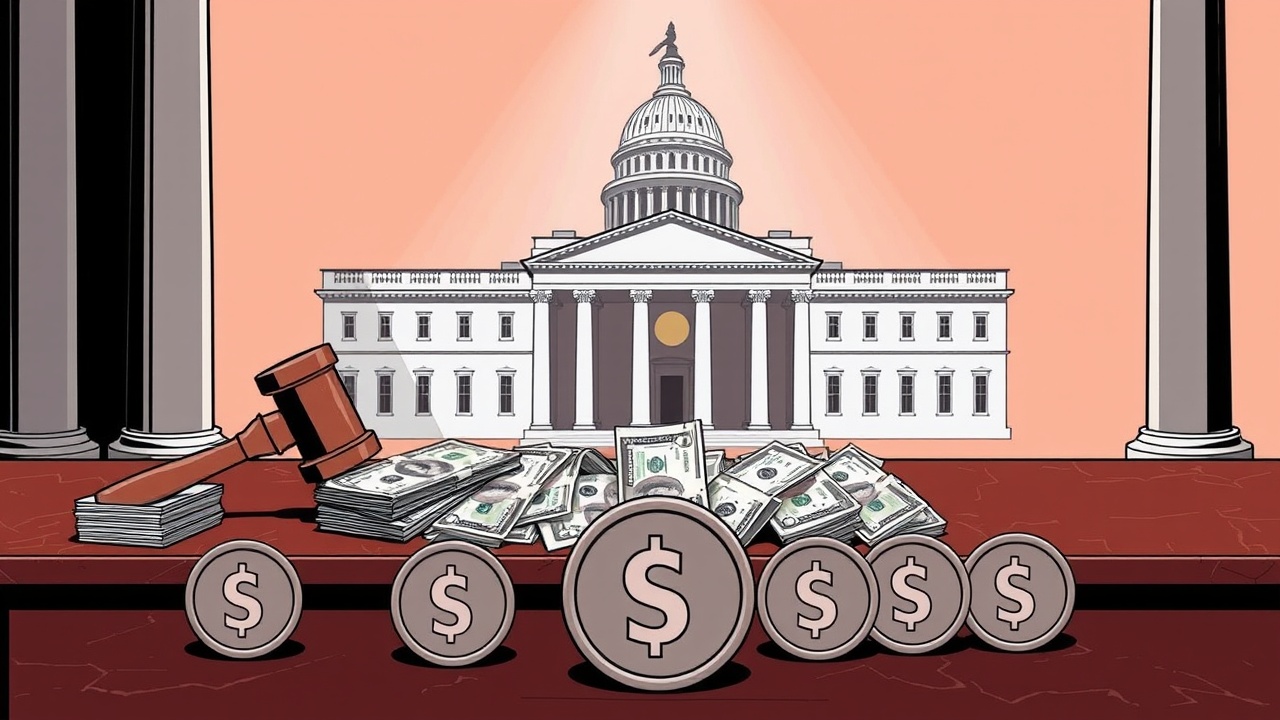
U.S. Senate Advances Bipartisan Housing Initiative
In a pivotal move, the U.S. Senate has taken significant steps toward passing a major bipartisan housing initiative, known as the 21st Century ROAD to Housing Act. This legislation, which garnered overwhelming support with a vote of 84 to 6, uniquely intertwines traditional housing policy with a contentious element concerning digital currencies.
Key Provisions of the Legislation
Notably, the bill includes a provision that explicitly prevents the Federal Reserve from issuing a central bank digital currency (CBDC) until at least the end of 2030.
The inclusion of a CBDC prohibition within the housing legislation has sparked discussions about the intersection between housing supply and digital asset regulation. This text, introduced at the behest of House Republicans, specifies that neither the Federal Reserve Board nor any affiliated financial institutions can create or circulate a CBDC or a similar digital asset, whether directly or through intermediaries.
Context and Administration Support
Diving into the larger context, this legislative maneuver comes as the Biden administration—historically cautious about restricting the Federal Reserve’s ability to explore digital currency—publicly endorsed the housing package. A White House statement indicated that should the Senate’s version of the measure, H.R. 6644, reach the President’s desk unchanged, his advisors would recommend its approval, marking a surprising shift for the Democratic leadership.
Broader Implications for Housing Advocates
For housing advocates, the breadth of the bill extends beyond the CBDC ban. It proposes comprehensive strategies to increase housing supply, mitigate institutional purchases of single-family homes, and simplify existing development and financing procedures. However, the unexpected inclusion of digital currency regulation has attracted attention from both the finance and technology sectors, raising vital questions about privacy, surveillance, and governmental oversight in the evolving landscape of payments.
Next Steps
The bill now awaits reconciliation with the House of Representatives before it can be sent to the President, leaving uncertainty regarding the final outcome of the CBDC clause amid ongoing negotiations and discussions on its implications for both housing and digital finance.