Coinbase and Banking Partnerships
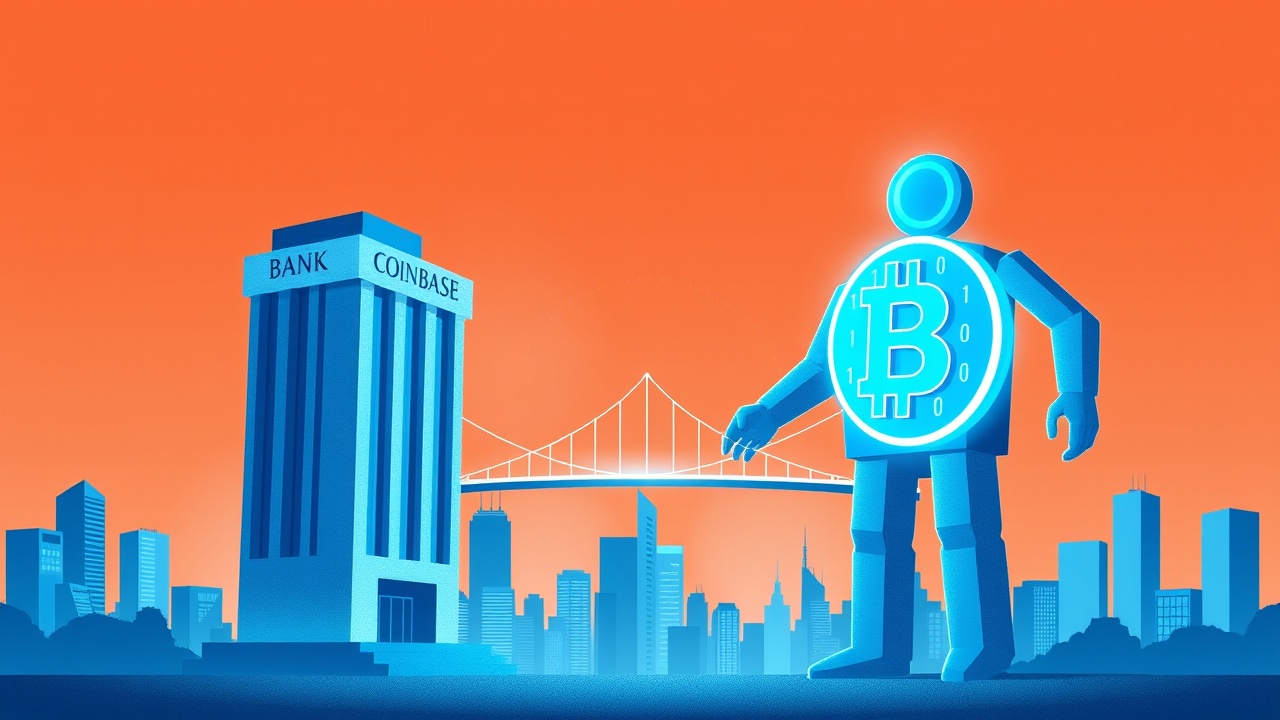
Brian Armstrong, the CEO of Coinbase, unveiled at The New York Times DealBook Summit that leading American banks are engaging in preliminary partnerships with his firm aimed at experimenting with stablecoins, digital asset custody, and trading solutions. While Armstrong refrained from disclosing the names of the participating banks, he issued a caution that those financial institutions falling behind in crypto adoption risk being left out of the market entirely.
Discussion with Larry Fink
Armstrong’s commentary came during a discussion with Larry Fink, the CEO of BlackRock, where both speakers recognized the evolving role of Bitcoin. Armstrong dismissed fears that Bitcoin could approach a value of zero, while Fink shared an emerging belief in Bitcoin’s utility—even as he noted that its market movements are still significantly affected by speculative players.
Furthermore, Fink pointed out that BlackRock’s iShares Bitcoin Trust, launched in January 2024, now boasts a market capitalization of over $72 billion, making it the largest Bitcoin exchange-traded fund (ETF) tracked by CoinMarketCap. BlackRock is also managing the largest tokenized US Treasury product in the market, currently totaling approximately $2.3 billion in assets according to RWA.xyz.
Strained Relations with Traditional Banks
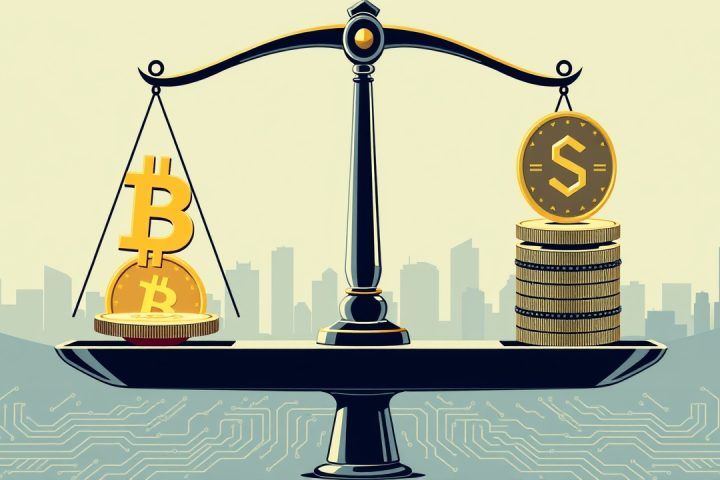
In a contrasting tone, the relationship between Coinbase and the banking sector appears to be growing more strained. A recent warning from the Banking Policy Institute—led by JPMorgan’s Jamie Dimon—highlighted concerns that stablecoins could disrupt the traditional banking model and urged Congress to strengthen regulations surrounding them. Their argument suggests that a migration of funds from traditional fiat deposits to stablecoins might inflate borrowing costs and limit credit availability for businesses.
The controversy stems from a perceived loophole within the US GENIUS Act, which limits stablecoin issuers from providing yield but permits third parties like Coinbase to do so, raising alarms among traditional banks. In a striking move, Armstrong articulated his vision for Coinbase as a “super app” that aspires to overhaul traditional banking by providing a variety of financial services, including credit cards and payment solutions, criticizing the existing banking system for its high fees, such as the three percent charged for credit card transactions.
Opposition from Banking Institutions
Banks have not only voiced objections but have also formally contested Coinbase’s ambitions. The Independent Community Bankers of America recently urged the Office of the Comptroller of the Currency to deny Coinbase’s application for a national trust charter, claiming the company’s crypto custody services are unverified.
In response to these industry tensions, Coinbase’s legal chief, Paul Grewal, criticized banking lobbyists on social media, arguing they are attempting to establish barriers that protect their own interests rather than advocating for consumer protection.