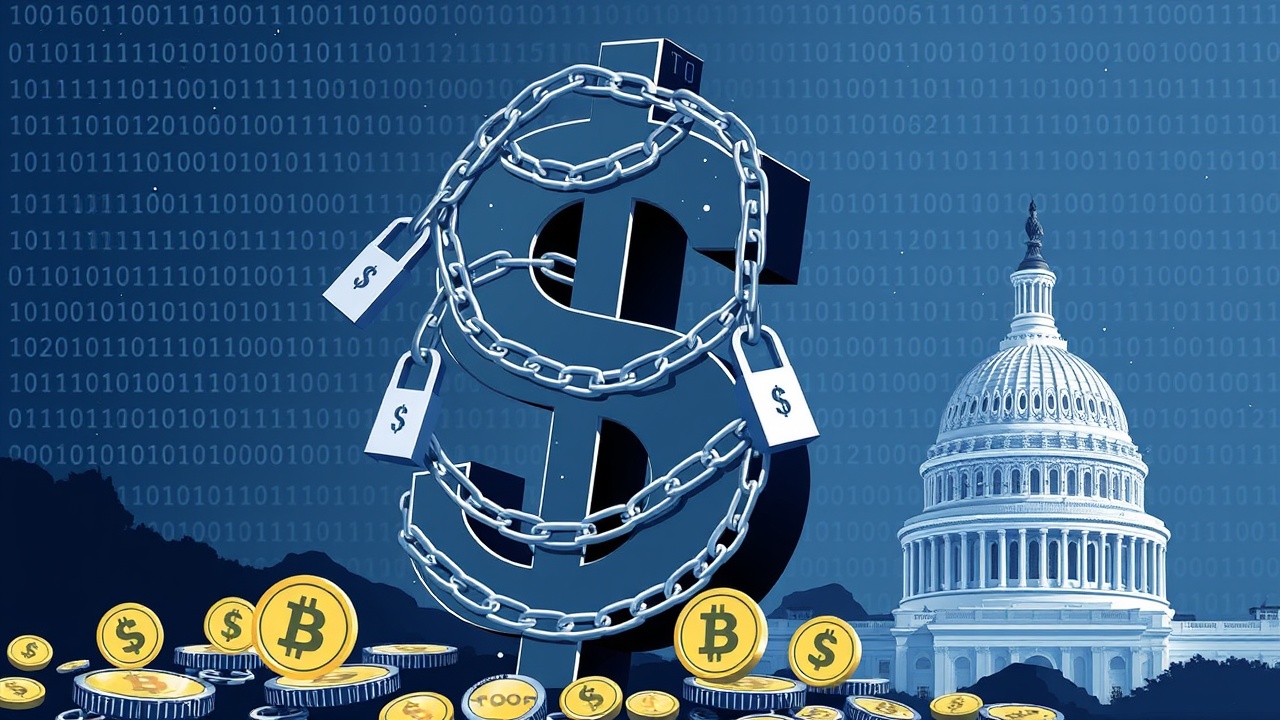
Introduction of Stringent Regulations for Dollar-Backed Stablecoins
The United States Treasury Department is set to introduce stringent regulations for issuers of dollar-backed stablecoins, requiring them to implement significant compliance measures designed to combat money laundering and enforce sanctions. According to an analysis by CoinDesk, the new framework aims to transform these stablecoin providers into primary enforcers of compliance with financial regulations.
Key Compliance Measures
The proposed rules, developed in collaboration with the Financial Crimes Enforcement Network (FinCEN) and the Office of Foreign Assets Control (OFAC), will mandate that companies operating stablecoins in the U.S. incorporate “kill switches” that enable them to block, freeze, or deny transactions flagged as suspicious in real-time.
Under the draft regulations, issuers will be held accountable for creating comprehensive anti-money laundering (AML) programs consistent with the Bank Secrecy Act. This includes thorough customer verification processes and the systematic reporting of unusual activities. Furthermore, the regulations will demand that issuers allocate greater resources towards monitoring activities deemed higher risk, as specified by CoinDesk.
Sanctions Compliance and Legislative Context
In terms of sanctions compliance, OFAC’s guidelines would require mechanisms to manage risks effectively in both primary and secondary market transactions, ensuring that any potential violations of U.S. sanctions can be identified and addressed promptly.
These developments follow the introduction of the Guiding and Establishing National Innovation for U.S. Stablecoins (GENIUS) Act, which classifies stablecoin issuers as financial institutions, thereby extending full AML and sanctions responsibilities to them. Treasury officials assert that this legislative effort, combined with available rulemaking, seeks to strike a balance between enforcing law and fostering innovation in the stablecoin sector.
Impact on Financial Innovation and Compliance
In a report submitted to Congress in March 2026, the Treasury emphasized the urgency for modern compliance resources to effectively address illicit financial activities involving digital assets, while also ensuring that the U.S. remains at the forefront of financial innovation. Patrick Witt, a White House cryptocurrency advisor, has previously remarked that establishing a regulatory framework for stablecoins could attract significant new investments into the U.S. banking system, counteracting worries that increased regulation could push activities overseas.
Enforcement Expectations and Industry Response
The enforcement expectations laid out by the government will formalize practices that many major stablecoin issuers already follow. Currently, centralized stablecoins have the technical ability to freeze or burn tokens in response to legal or regulatory demands, and the new regulations will make these capabilities mandatory, potentially exposing executives to legal repercussions for any misrepresentation regarding compliance efforts.
Legal experts caution that the added responsibility of monitoring secondary market trades may necessitate a widespread implementation of sophisticated blockchain analysis tools by issuers, which could elevate operational costs and create a distinct divide between regulated entities and open, permissionless crypto projects.
Conclusion
Recent discussions on this legislative front have marked a pivotal moment for stablecoin governance, with companies like Circle expressing approval of clearer regulatory frameworks, while rival firms such as Tether continue to face scrutiny regarding their compliance with sanctions and AML requirements. The landscape of U.S. crypto regulation is evolving rapidly, and analysts note that the actions taken by Congress and Treasury may significantly influence where and how stablecoin issuers establish their operations and secure funding, particularly as the criteria for what constitutes compliance with federal standards are being defined.