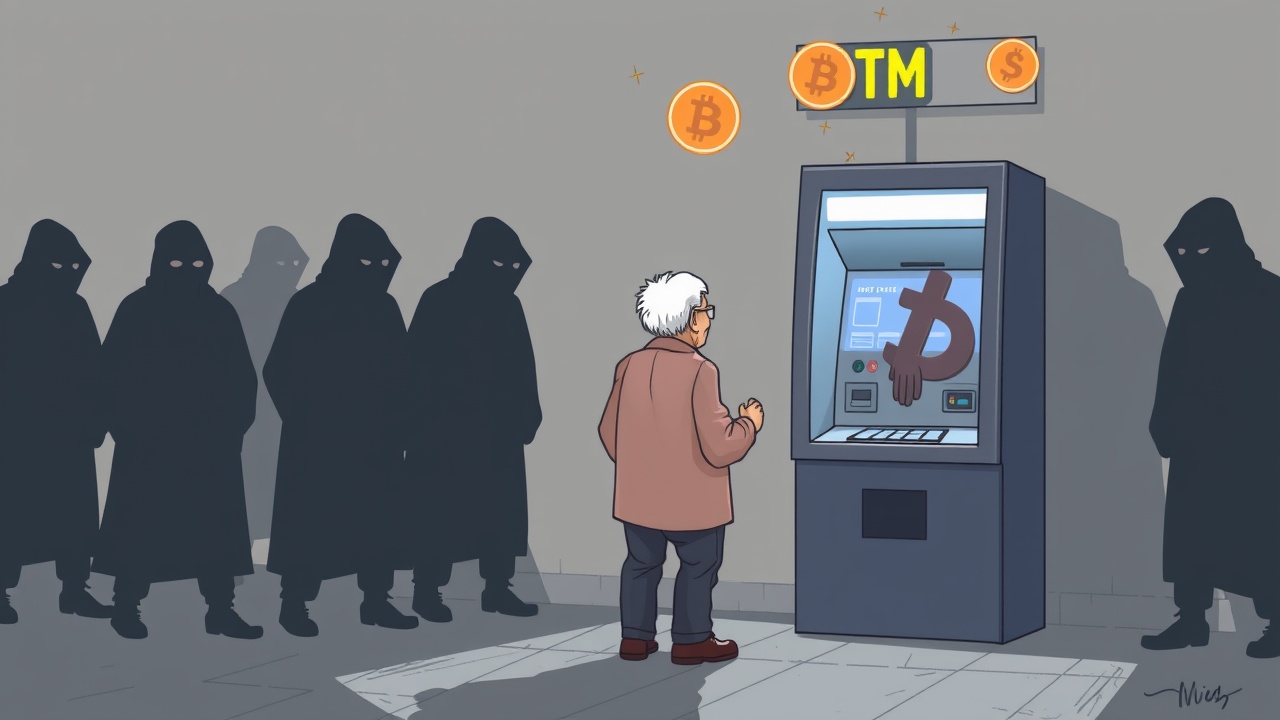
Fraudulent Schemes Linked to Cryptocurrency ATMs in Arizona
In Arizona, the rise of fraudulent schemes linked to over 600 cryptocurrency ATMs has prompted a strong response from Attorney General Kris Mayes. This year, the state reported staggering losses of more than $177 million due to such scams, particularly targeting senior citizens. Amid this crisis, Mayes has taken action by issuing a dire warning and introducing new resources to assist victims in reclaiming their funds.
“We are seeing an alarming trend with these machines, and my urgent message to the public is to exercise caution when using crypto ATMs that have been appearing throughout Arizona,” stated Mayes in a recent announcement.
The Attorney General emphasized that anyone advising users to engage with these cryptocurrency kiosks carries a considerable risk of being involved in scams.
Support for Victims and National Concerns
To enhance support for victims, Mayes’ office has launched a new complaint mechanism, encouraging those who have fallen prey to these scams to report incidents within 30 days in hopes of facilitating fund recovery.
The national landscape for crypto ATMs is also concerning; as per FBI reports, losses reported by Americans regarding these machines reached $246 million in 2024. Notably, approximately 43% of the victims were over the age of 60. The modus operandi of these scams often involves coercive tactics, where victims receive urgent calls from individuals impersonating law enforcement or utility companies, pressuring them to withdraw cash and deposit it into the ATMs.
Cybercrime expert David Sehyeon Baek pointed out the inherent vulnerabilities of these machines. He explained that unlike traditional banking systems, crypto ATMs lack robust safeguards, making it easier for criminals to exploit them. “Once funds are transferred, they are practically unrecoverable due to the absence of fraud desks and accounts to trace the transactions,” he elaborated.
Legislative Actions and Regulatory Measures
To tackle these issues, Arizona passed legislation last year aimed at regulating crypto ATMs. This law mandates that operators display multilingual warnings about fraud, offer 24/7 customer support, and set transaction limits to curb potential abuses. Governor Katie Hobbs signed this regulation, marking it as the only crypto-related legislation for 2025 after vetoing several other Bitcoin bills, including the proposed “Arizona Strategic Bitcoin Reserve Act.”
The movement to impose stricter regulations on crypto ATMs is gaining traction beyond Arizona, with similar restrictions being enacted in regions like Spokane and Illinois. Crypto ATM operators have recently faced heightened scrutiny and penalties. Earlier this month, Bitcoin Depot settled with Maine regulators for $1.9 million over transactions linked to scams at its ATMs.
Consumer Awareness and Safety Protocols
Baek warns that altering consumer behavior is a challenging task, noting that scammers skillfully manipulate psychological tactics. He advocates for stronger safety protocols at crypto ATMs to curb fraud while maintaining a user-friendly experience. Mayes also cautioned consumers, stating that no credible organization would ever demand payment through these machines and urged individuals to thoroughly verify urgent payment requests and seek advice from trusted sources before executing significant transactions.