Update on Seized Bitcoin from Samourai Wallet Developers
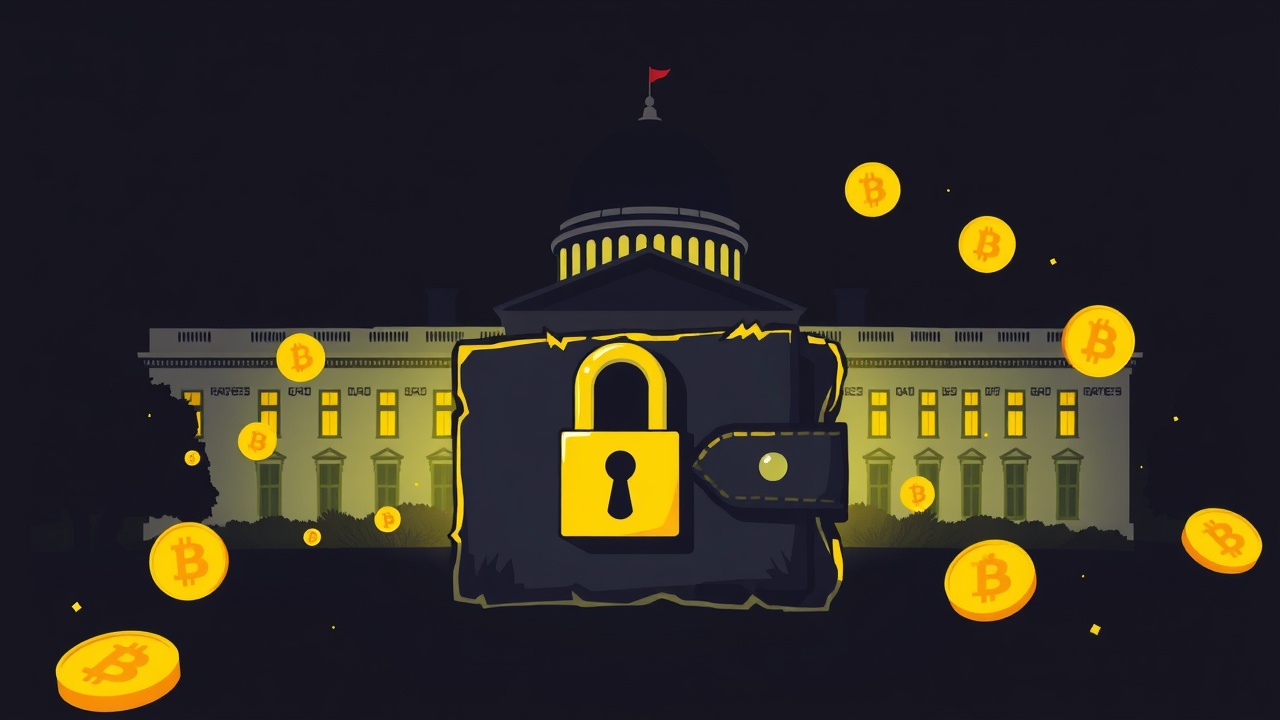
In a significant update regarding the seized Bitcoin from the developers of the privacy tool, Samourai Wallet, the White House announced Friday that the nearly $6.4 million in Bitcoin has not been liquidated and will instead contribute to the federal government’s Bitcoin reserve. This decision comes on the heels of anxiety expressed by family members and legal representatives of the incarcerated developers, Keonne Rodriguez and William Lonergan Hill, suggesting that certain members within the Department of Justice were aiming to sell these assets, which would contradict the federal initiative established by former President Donald Trump to create a national Bitcoin reserve through an executive order earlier this year.
Asset Liquidation Agreement and Clarifications
Reports indicated that an asset liquidation agreement, reviewed by Decrypt, included provisions hinting at a potential sale of the seized cryptocurrency. Notably, the document mentioned the U.S. Marshals Service (USMS) would be authorized to liquidate the seized Bitcoin, with funds directed towards the Assets Forfeiture Fund.
However, Patrick Witt, who leads President Trump’s Digital Assets Council, clarified that the DOJ has confirmed to him that the seized digital assets will remain intact and not be sold. Instead, these funds are set to be incorporated into the federal Bitcoin reserve.
Legal Background of the Developers
Rodriguez and Hill previously entered guilty pleas to charges related to operating an unlicensed money transmission service via their work on Samourai, which enabled users to conduct private Bitcoin transactions. Their legal troubles began under the Biden administration and continued under Trump. Last November, Rodriguez received a maximum five-year prison sentence, while Hill was sentenced to four years; both have begun serving their sentences.
Community Reactions and Concerns
The developments in this case have incited considerable discourse among advocates for cryptocurrency and privacy rights, raising concerns about possible repercussions for privacy-enhancing technologies in the United States. Furthermore, the situation has stirred discontent among cryptocurrency supporters regarding Trump’s crypto policy, as he attempts to position himself as a champion for digital currency during his second term.
While Trump previously indicated he would “look at” the possibility of pardoning the Samourai developers before they reported to prison, concrete action has yet to emerge, with recent predictions placing the likelihood of a pardon at a mere 7.5%.
Personal Reflections and Ongoing Scrutiny
Amidst these unfolding events, Lauren Emily Rodriguez, the wife of Keonne Rodriguez, conveyed her doubts about the honesty of the prosecutors involved in her husband’s case, reflecting widespread skepticism about their transparency and the handling of the seized funds.
This case continues to draw scrutiny, revealing deeper issues surrounding the balance of law enforcement actions in the growing field of cryptocurrency and digital privacy tools.