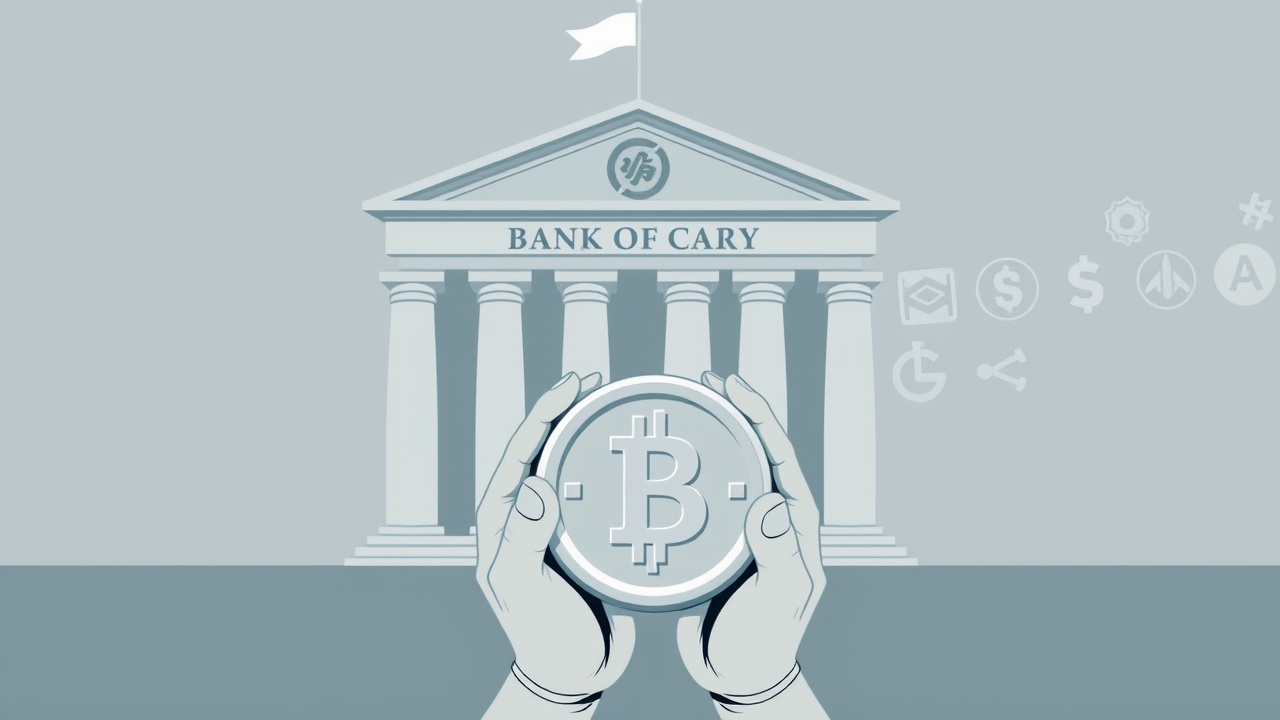
Bank of Korea’s Stance on Stablecoins
In a recent announcement, the Bank of Korea (BOK) clarified its position regarding the management of stablecoins, indicating a firm stance against direct involvement in their issuance or operations. During a parliamentary session on October 12, Governor Hyun Song Shin emphasized that stablecoin activities should remain under the purview of private enterprises rather than the central bank. This conversation took place amid a broader discourse on the regulation of stablecoins in South Korea, which has been a topic of increasing focus in recent months.
Governor’s Insights on Stablecoins
During the hearing held at the BOK headquarters in Seoul, Governor Shin underscored the need for private companies to oversee stablecoins, asserting that the central bank’s role will be to advise on matters related to monetary stability and payment systems. Responding to inquiries from independent lawmaker Lee Jun-seok about the distinctions between stablecoins, bank deposit tokens, and central bank digital currencies (CBDCs), Shin clarified the BOK’s ongoing Project Hangang initiative, which is aimed at fostering institutional digital currency and commercial bank-issued deposit tokens.
Shin articulated that stablecoins are designed to operate within decentralized blockchain frameworks, allowing digital tokens to function independently of traditional central bank currencies. He acknowledged that the BOK would offer its insights on issues pertinent to the monetary framework, but reiterated that the central bank will not engage in managing stablecoin enterprises. The governor’s statements did not signal any shifts in previously established stablecoin licensing regulations, maintaining the BOK’s earlier preference for a bank-led consortium model for won-backed stablecoins.
Concerns and Future Developments
This cautious approach stems from the BOK’s apprehensions regarding the issuance of stablecoins by non-bank entities, which may lack necessary financial protections. Governor Shin’s October remarks followed significant public discourse surrounding the management of Korean won-denominated stablecoins, particularly in light of ongoing legislative developments concerning their regulation.
As private financial institutions prepare for a blockchain-based future, they continue to explore partnerships for stablecoin-related services. For instance, Eugene Investment & Securities recently joined forces with blockchain company BEATOZ to pilot stablecoin settlements for tokenized securities subscriptions, seeking to streamline subscription, payment, and settlement processes.
Project Hangang and Data Security
Project Hangang, which serves a distinct purpose from private stablecoins, aims to leverage institutional digital currency and bank-issued deposit tokens to replicate South Korea’s monetary system utilizing blockchain technology. Under this framework, the BOK will manage interbank settlements while individual banks will handle consumer accounts and deposits. The initiative is intended to digitize existing financial mechanisms without altering the roles of the central bank and commercial institutions.
Governor Shin noted during the hearing that customer data security would remain a priority, with sensitive information confined to commercial banks, while the BOK would oversee interbank transactions, implementing measures to safeguard user privacy and prevent unauthorized access.
Looking Ahead
Further data shared by the central bank shed light on Project Hangang’s development trajectory, indicating plans for additional testing of payment systems utilizing deposit tokens by late 2026. This includes potential applications in government programs, such as electric vehicle charging subsidies. In its response to these innovative developments, the BOK reiterated that it is not pursuing a universal CBDC aimed at direct consumer use, having previously abandoned the idea in 2023. Instead, it focuses on its institutional digital currency and deposit tokens in collaboration with commercial banks.
Meanwhile, the discussions around stablecoins are evolving with the private financial sector actively creating products and partnerships in anticipation of forthcoming regulations. For example, HashKey Group’s recent collaboration with Kbank and BPMG reflects ongoing efforts to develop compliant blockchain-based payment frameworks. Furthermore, MoonPay has launched operations in South Korea, intending to collaborate on stablecoin-related initiatives with various local financial institutions.
Overall, while the BOK continues to champion a careful and measured approach to the integration of stablecoins within the financial ecosystem, the private sector is rapidly advancing in blockchain-based solutions, signaling a transformative shift in South Korea’s monetary landscape.