Concerns Over Hardware Wallets
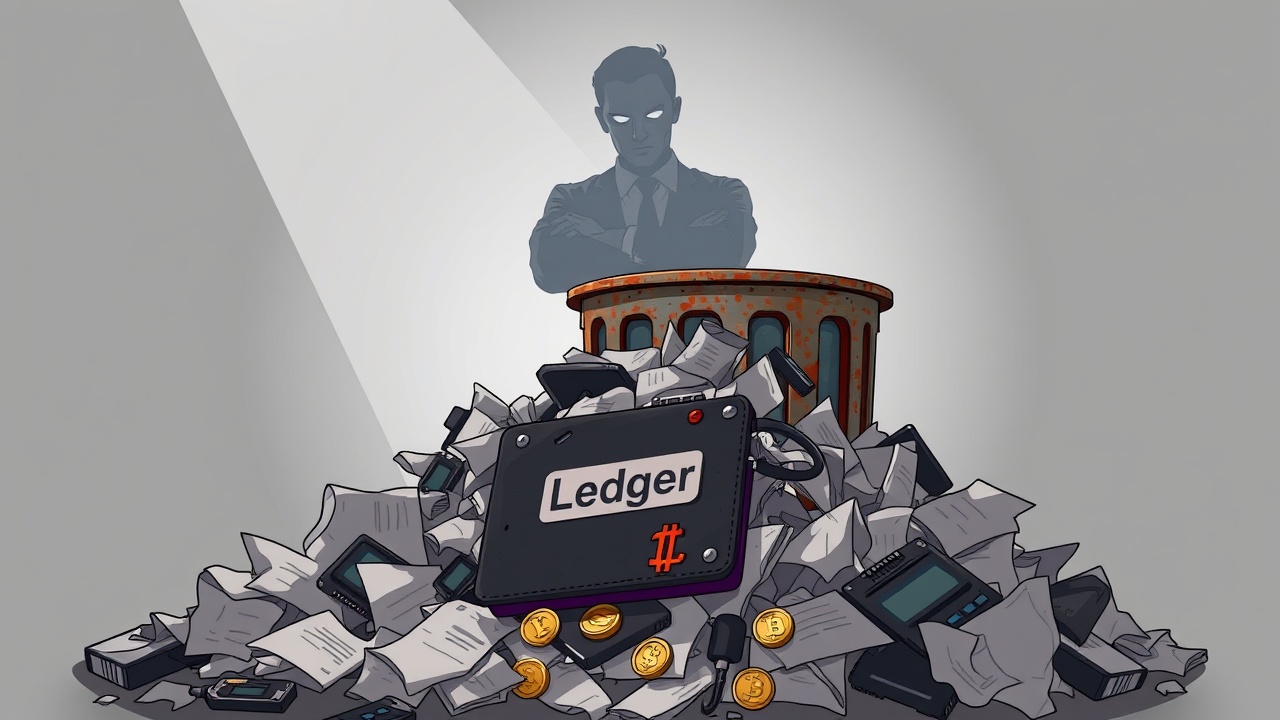
ZachXBT, a well-known onchain investigator in the cryptocurrency sector, has raised significant concerns regarding the safety and reliability of hardware wallets for managing digital assets. In a recent post on Telegram, he characterized these devices as “complete garbage” and cautioned users against relying on them for crucial transactions or for holding substantial amounts of cryptocurrency. Instead, he proposes utilizing a dedicated iPhone solely for the management of crypto assets as a safer alternative.
Critique of Ledger
In his pointed critique, ZachXBT particularly singled out Ledger, a leading manufacturer in the hardware wallet market, labeling it as “the worst” available option. He expressed discontent over how frequent updates to Ledger Live, now rebranded as Ledger Wallet, disrupt simple user functions. He stated:
“Ledger Live sees regular updates that affect the user interface and apps without any reasonable justification, which can inadvertently complicate basic actions.”
Although ZachXBT’s declarations reflect his personal opinion, he did not cite any recent evidence of security vulnerabilities within Ledger products or indicate any specific breaches of private key protection. Ledger itself has been active in promoting the advantages of hardware wallets, emphasizing that they offer a means to keep private keys secure from internet-connected devices. Their latest release notes indicated that version 4.8.0 of Ledger Wallet, which included security enhancements and interface refinements, launched on June 11.
Ongoing Threats and Vulnerabilities
The controversy comes against a backdrop of ongoing threats aimed at hardware wallet users, with attackers increasingly resorting to social engineering tactics and fake applications to trick individuals. Notably, earlier this year, more than $282 million worth of Bitcoin and Litecoin was stolen from a cryptocurrency holder as a result of such a scam involving hardware wallets. ZachXBT reported that the assailants quickly funneled the stolen funds through various services and laundered part of them into Monero.
This incident underscores how users can be vulnerable to attacks without any direct interference with the hardware wallet’s inherent security. Rather, criminals often employ psychological manipulation tactics to persuade victims into revealing sensitive information or undertaking actions that ultimately compromise their assets.
Risks of Fraudulent Applications
Users of Ledger wallets have similarly encountered risks linked to fraudulent applications masquerading as genuine products from the company. For instance, in April, a counterfeit Ledger Live application available on the Apple App Store managed to defraud at least 50 individuals, siphoning off $9.5 million within just one week by enticing users to enter their recovery phrases. Although Apple later removed the application from its store, the incident highlights the ease with which bad actors can exploit brand trust.
Alternative Strategies for Security
ZachXBT’s endorsement of using a dedicated smartphone for cryptocurrency activities could potentially mitigate some risks associated with multi-purpose devices; however, it does not completely eliminate vulnerabilities, as smartphones remain susceptible to their operating systems, installed software, and user behavior. The ongoing debate reflects differing perspectives on cryptocurrency self-custody strategies, with hardware wallets focusing on securing private keys by isolating them from internet access, while ZachXBT advocates for strict separation through devices exclusively for crypto use. Regardless of the method employed, users remain at risk from phishing scams, misleading applications, and social engineering tactics that can compromise their security.