Incident Overview
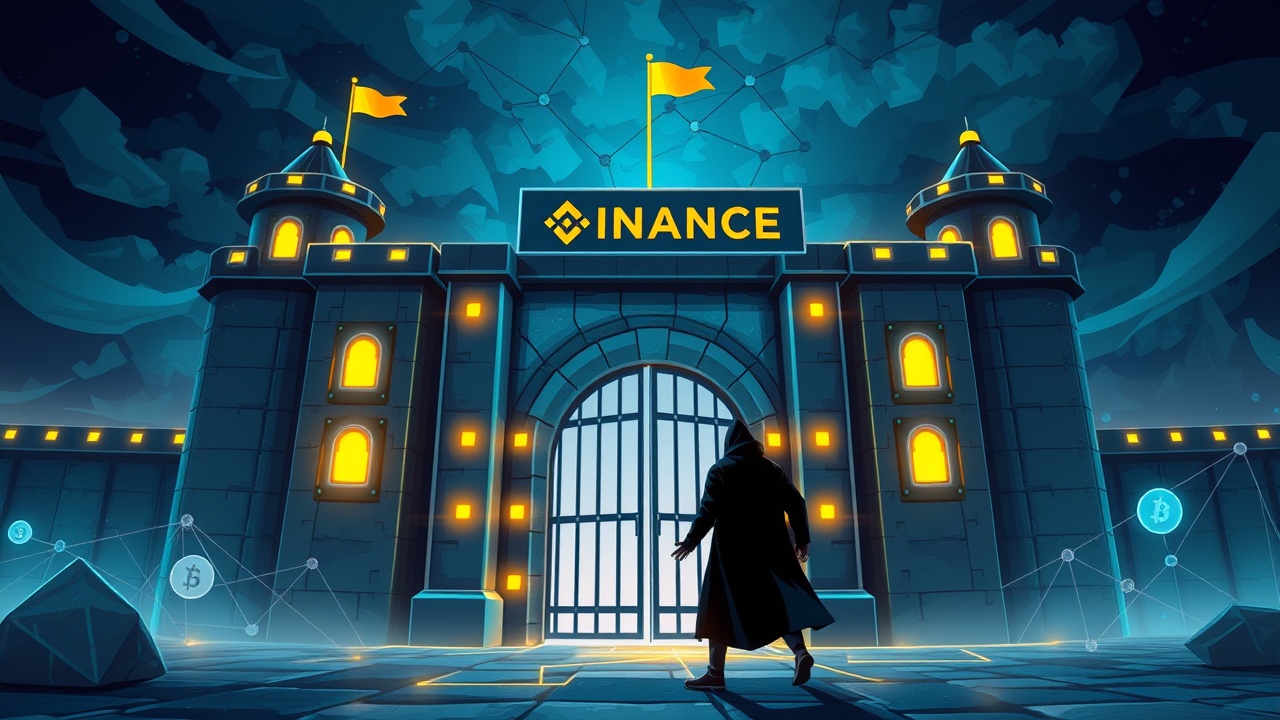
On August 18, Binance revealed that its security team intervened to avert a potentially harmful governance attack aimed at a decentralized autonomous organization’s (DAO) treasury, which could have seen approximately $1.2 million worth of tokens compromised. The cryptocurrency exchange reported that its monitoring systems detected a questionable governance proposal just under 48 hours before it was set to be executed.
Response and Mitigation
In response, Binance swiftly reached out to the DAO in question and collaborated with other centralized exchanges to suspend deposits for the affected tokens. The DAO community managed to vote down the malicious proposal prior to its execution, as confirmed by Binance, which stated that no assets were lost during the incident.
The attacker attempted to exploit a vulnerability in the DAO’s on-chain governance system, where the criteria for initiating a proposal were apparently set too low, allowing the attacker to bypass the protocol’s usual checks and balances.
Security Measures and Community Response
While Binance did not disclose the specific governance requirements that were circumvented or the means by which the proposal threatened to access the treasury, it was made clear that user safety is a top priority. In a statement, the company emphasized that its security efforts extend beyond its own platform, aiming to bolster defenses across the broader crypto ecosystem.
Governance systems permit token holders to vote on decisions regarding treasury expenditures and protocol adjustments, and can be susceptible to manipulation when thresholds for proposals are low, voter engagement is lacking, or when there is insufficient time to react to proposals before execution. Fortunately, in this case, the DAO’s voting timeline allowed for intervention, although Binance noted that the window was exceedingly brief.
Preemptive Actions Taken
After the initial detection, Binance took preemptive action, contacting the project and facilitating the halting of deposits on platforms that listed the vulnerable token. While this measure would not have stopped the proposal itself from passing, it aimed to mitigate the potential routes available for liquidating or laundering any compromised tokens.
Community Voting and Security Insights
Ultimately, the DAO’s community voted against the proposal, but Binance did not reveal specifics such as the total number of votes cast against it or whether any delegates altered their initial standings. Commenting on the incident, Binance Chief Security Officer Jimmy Su remarked on the nature of the threat, stating that it had not been flagged by any external security entities, a claim that remains unverified by the DAO or independent analysts.
Concerns and Future Considerations
The specifics of the attacked project, the tokens involved, and collaborating exchanges have not been disclosed by Binance, preventing any independent verification of the claim regarding the potential $1.2 million loss. As a result, this figure should be regarded as Binance’s approximation rather than a concrete assessment confirmed by other sources.
In light of this incident, which echoes previous attacks leveraging governance protocols—such as the $20 million drained from BonkDAO—there are ongoing discussions about enhancing governance security. Adjusting parameters like submission thresholds, timelocks, quorum requirements, and independent evaluations of executable proposals could strengthen defenses against such attacks. However, implementing emergency measures could introduce centralization concerns, creating a delicate balance for projects seeking rapid intervention while adhering to their governance ethos.
Currently, Binance has not indicated whether the affected DAO intends to amend its governance protocols or if there are plans for further disclosures regarding this incident after the immediate threat has dissipated. A thorough examination of the situation could provide clarity for users regarding the vote and the vulnerabilities exposed, yet for now, the details and $1.2 million risk remain primarily reliant on Binance’s account of the events that transpired.