Binance Restores Access in the Philippines
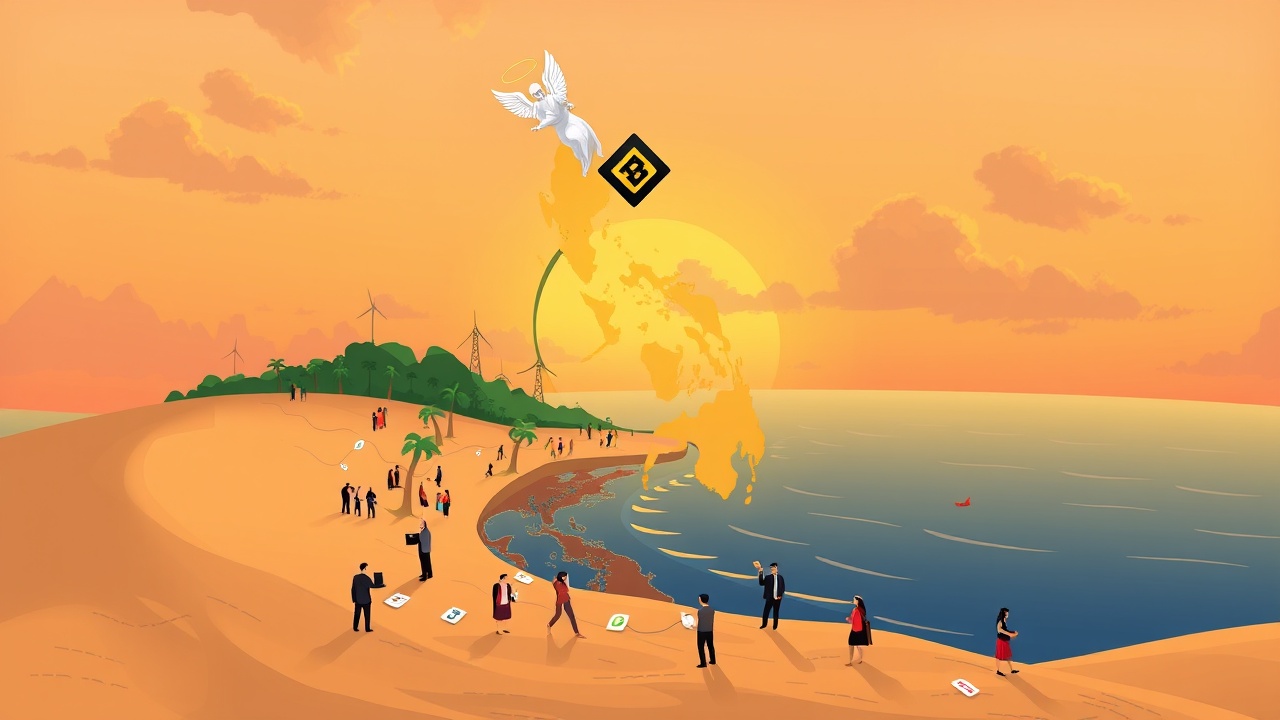
Binance has successfully reestablished website access in the Philippines, thanks to the efforts of telecommunications provider PLDT, which has reinstated the platform on its network. This development marks a continued restoration overseen by the country’s Securities and Exchange Commission (SEC), along with ongoing local compliance measures and testing requirements. Notably, access to Binance’s localized site is now possible through the Philippines’ two main telecommunications networks; Globe Telecom had previously re-enabled access back in May.
Local Operations Through BlockShoals
Users visiting the Philippine version of the Binance website will notice that it is operated through BlockShoals Technologies Inc., which has been appointed to facilitate local access to the exchange. BlockShoals functions as a cryptocurrency intermediary under the SEC’s Strategic Regulatory Sandbox, known as StratBox. It’s important to clarify that while Binance is not directly running the local services, it provides its offerings through entities regulated by the Abu Dhabi Global Market, with BlockShoals acting as a conduit.
Confirmation and Future Plans
Changpeng “CZ” Zhao, co-founder of Binance, confirmed the website’s accessibility in a post on X (formerly Twitter) dated July 29. In his post, he shared his excitement about the platform’s restored status in the Philippines and hinted at the imminent introduction of a fiat channel, following his participation in discussions at the ASEAN Tech Summit in Manila alongside Lito Villanueva, chairman of FinTech Alliance Philippines.
Regulatory Challenges and New Framework
Historically, Binance faced regulatory challenges in the Philippines after the SEC determined that the exchange was offering investment and trading services without appropriate local registration requirements. Consequently, in March 2024, the SEC directed the National Telecommunications Commission to restrict access to the Binance website, also seeking the removal of the platform’s applications from app stores in the country.
Under its new framework, Binance is employing a different approach to comply with regulations. BlockShoals received preliminary SEC approval in November 2025 and later a Notice to Proceed with Testing on April 14, 2026, which allows the company to trial Binance-related services under strict regulatory oversight.
Integration and User Access
The initial phase of this integration is expected to last 90 days, necessitating collaboration between BlockShoals and a local virtual asset service provider. Once this is complete, customer onboarding can begin. However, it is crucial to note that the sandbox approval does not translate into a full operational license—it allows for controlled testing while the SEC assesses the efficacy and compliance of the system.
With access restored, users who previously relied on virtual private networks or alternative offshore methods will find it significantly easier to access Binance. However, it’s essential to highlight that not all local services are fully operational just yet. BlockShoals is still in the process of connecting Philippine peso payment channels and ensuring compliance with anti-money laundering regulations. Users may find registration functions and product information available on the site, but the official process for PHP deposits and withdrawals is still in development.
Future of Binance in the Philippines
There is hope that Binance’s app could soon reappear on Philippine app stores, contingent on regulatory updates from Apple and Google regarding the platform’s status, though a specific timeline for this development hasn’t been released.
At present, the Binance Coin (BNB) is trading at approximately $592—a 4% increase compared to its previous closing price—following a positive trend in the wider cryptocurrency market, though there is no direct evidence linking this gain to the restoration of access in the Philippines. In contrast to its operations in the U.S., where American users need to access Binance.US, a separate platform managed by BAM Trading Services, the situation in the Philippines showcases BlockShoals’ potential as a model for other exchanges aiming to re-enter restricted markets. The next steps for Binance in the Philippines will hinge on the successful integration of systems and the launch of local fiat transaction capabilities, denoting a progressive move towards a regulated re-entry, although not a complete public relaunch yet.