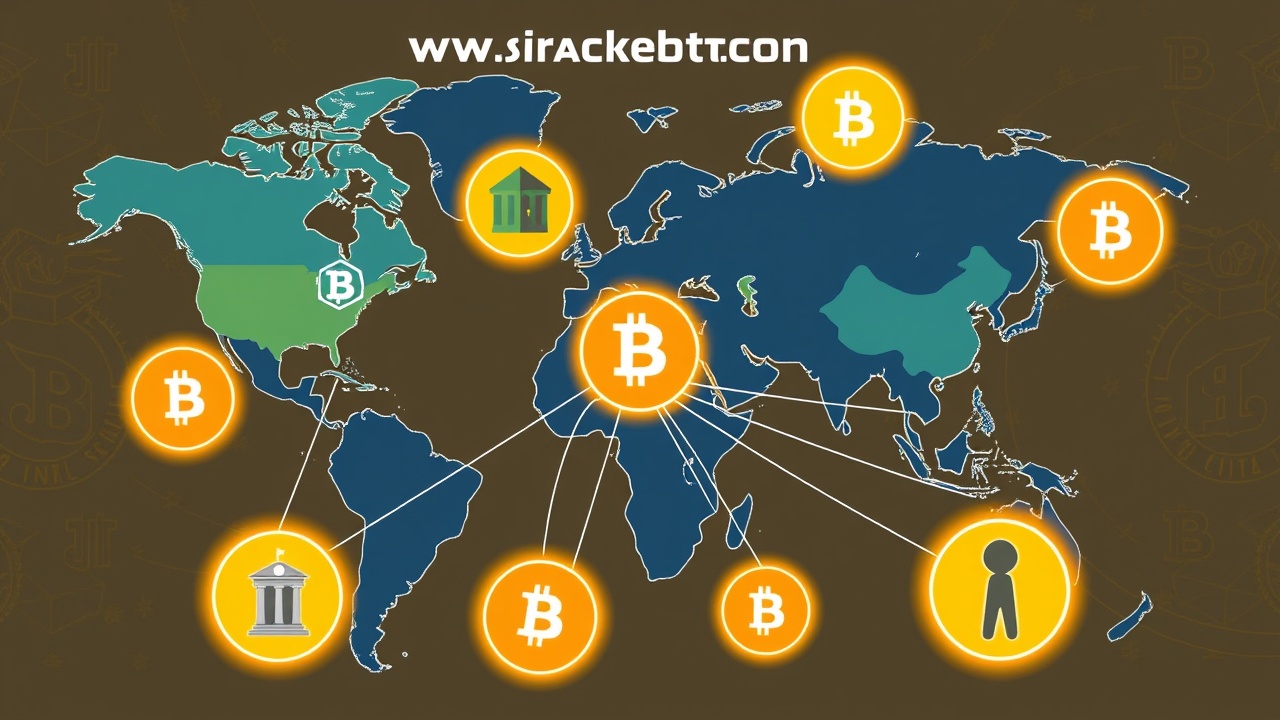
Bitcoin Ownership Landscape (April 2026)
As of April 2026, the Bitcoin landscape reveals a diverse distribution of ownership among various entities, including its enigmatic creator, investors, and institutions. According to Arkham’s findings, Satoshi Nakamoto effectively remains the top Bitcoin holder, controlling approximately 1.096 million BTC, a sum that equates to around $82 billion at current market rates. This figure is derived from a mining pattern well-known as the Patoshi Pattern, which is linked to Satoshi’s early activities in Bitcoin mining, specifically, the acquisition of holdings through mining nearly 22,000 blocks. Notably, this stockpile represents approximately 5.5% of Bitcoin’s total supply and is characterized by infrequent wallet activity over the years, making it a cornerstone of Bitcoin ownership data.
Major Holders of Bitcoin
Following closely, Coinbase emerges as the second largest holder, with about 976,000 BTC. This total includes assets managed both on behalf of the exchange and its clients through custody services, giving Coinbase a stake of nearly 5% of the overall Bitcoin supply. Binance also figures prominently in this analysis, with its holdings resting at about 631,000 BTC spread across various tagged wallets.
Arkham identifies BlackRock as the leading issuer of Bitcoin ETFs, with around 799,000 BTC under management. This surge in ETF records follows the U.S. debut of spot Bitcoin ETFs in January 2024, reflecting a shift towards institutional adoption in the market. Other notable ETF issuers include Fidelity, Grayscale, and ARK Invest. Grayscale’s holdings, in particular, are fragmentary, spread across more than 1,750 distinct addresses, each containing no more than 1,000 BTC, showcasing the public market’s growing influence over Bitcoin possession.
Public and Government Holdings
Among public companies, Strategy stands as the foremost holder with approximately 781,000 BTC, although it’s noteworthy that around 184,000 BTC of this total is attributed to Fidelity Custody. This places Strategy’s valuation at roughly $59 billion.
In the realm of government holdings, the U.S. Government commands the largest Bitcoin reserve, with approximately 328,000 BTC. This amount primarily derives from various asset seizures, including those related to notorious incidents such as the Bitfinex hack and Silk Road operations, accounting for about 1.6% of Bitcoin’s overall supply. The United Kingdom ranks next with around 61,000 BTC, seized from individuals involved in unlawful activities. Other governmental stakeholders include El Salvador, which has around 7,600 BTC as part of its national investment strategy, and Bhutan’s Druk Holdings, holding approximately 3,500 BTC through mining activities, although its total has halved from earlier years.
Individual Wallets and Unattributed Holdings
Among individual wallets, a Binance cold wallet leads with around 249,000 BTC, closely trailed by another Binance wallet with 145,000 BTC. Wallets from Bitfinex and Robinhood contain significant amounts as well, with 130,000 BTC and 141,000 BTC, respectively. Notably, the U.S. government has also recovered about 95,000 BTC linked to the Bitfinex recovery.
Despite extensive tracking efforts, several major wallets remain unattributed, including one holding approximately 92,000 BTC, alongside others containing substantial amounts in the tens of thousands. This presents an intriguing aspect of the Bitcoin ecosystem, revealing that numerous sizable holders exist off the radar, even as blockchain data continues to meticulously trace movements within the network.