Transitioning to Self-Custody in the Crypto Landscape
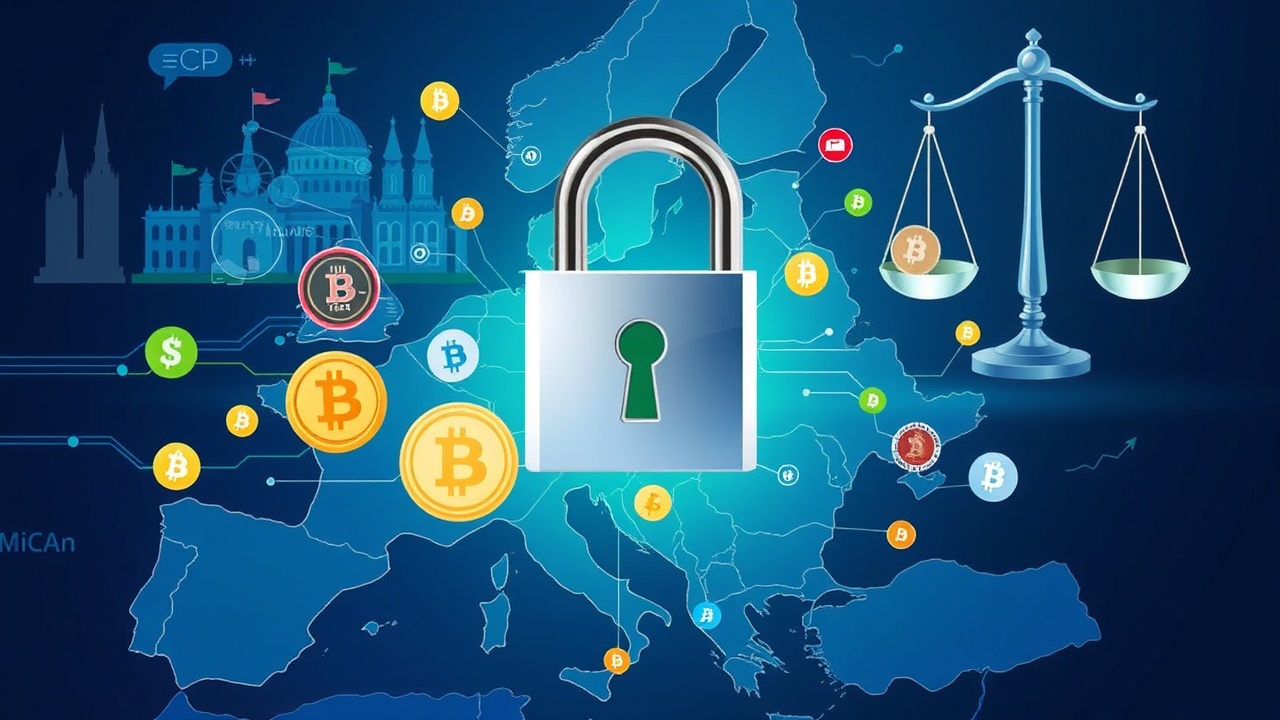
As the crypto landscape in Europe undergoes significant changes with the implementation of the Markets in Crypto-Assets (MiCA) framework, BNB Chain has stepped forward to assist users in transitioning their assets from centralized exchanges to self-custody methods. This initiative comes on the heels of MiCA’s official enforcement as of July 1, which mandates that cryptocurrency businesses obtain a specific license, known as CASP, to continue their operations within the European Union.
Comprehensive Guide for Users
To navigate this evolving environment, BNB Chain has released a comprehensive guide detailing the process of transferring digital assets to personal wallets, allowing for direct interaction with decentralized applications (dApps). With prominent exchanges revising their operations under the new regulations, many users are reevaluating the security and accessibility of their crypto assets, prompting this educational push from BNB Chain.
Importance of Self-Custody
The guide emphasizes the importance of self-custody, where individuals maintain direct control over their private keys, in stark contrast to centralized platforms that manage these keys on behalf of users. While self-custody can enhance security and autonomy, BNB Chain cautions that it also requires users to assume greater responsibility. This includes:
- Safeguarding recovery phrases
- Conducting test transfers with smaller amounts before engaging in significant transactions
- Retaining a small reserve of BNB tokens to cover transaction fees
Furthermore, users are advised to exercise caution against fraudulent wallet applications and deceptive links in communications.
Opportunities and Market Changes
BNB Chain highlights the diverse opportunities available to users, such as swapping tokens, utilizing stablecoins, staking, lending, and accessing various financial products from established dApps like PancakeSwap, Venus, and Aster. This guidance arrives amidst a backdrop of exchange service modifications; for instance, Binance recently announced the suspension of several services within the EU due to its inability to secure the necessary MiCA license in a timely manner, impacting new orders and deposits while still permitting withdrawals.
Competitive Landscape and Regulatory Impact
In a competitive landscape, licensed exchanges are actively courting users, with platforms like Coinbase and OKX incentivizing transfers from those relying on Binance. The regulatory environment has intensified the importance of authorization for users deciding where to store their cryptocurrencies. Stablecoins have also been affected; notable changes include USDT’s removal from regulated exchange order books after it opted out of seeking MiCA compliance, which has bolstered the market position of compliant assets such as USDC.
Encouraging User Empowerment
With a rise of authorized entities in the EU market, evidenced by the European Securities and Markets Authority (ESMA) registering 300 licensed crypto firms, including Ripple, which recently gained approval in Luxembourg, BNB Chain’s initiative encourages users to take charge of their crypto holdings. By outlining the steps for self-custody, the guide promotes an empowered user base while acknowledging the inherent risks linked to decentralized finance (DeFi) systems and self-managed wallets. For those contemplating a shift to BNB Chain, this guide serves as a vital resource for ensuring a smooth transition and maintaining control over their digital assets.