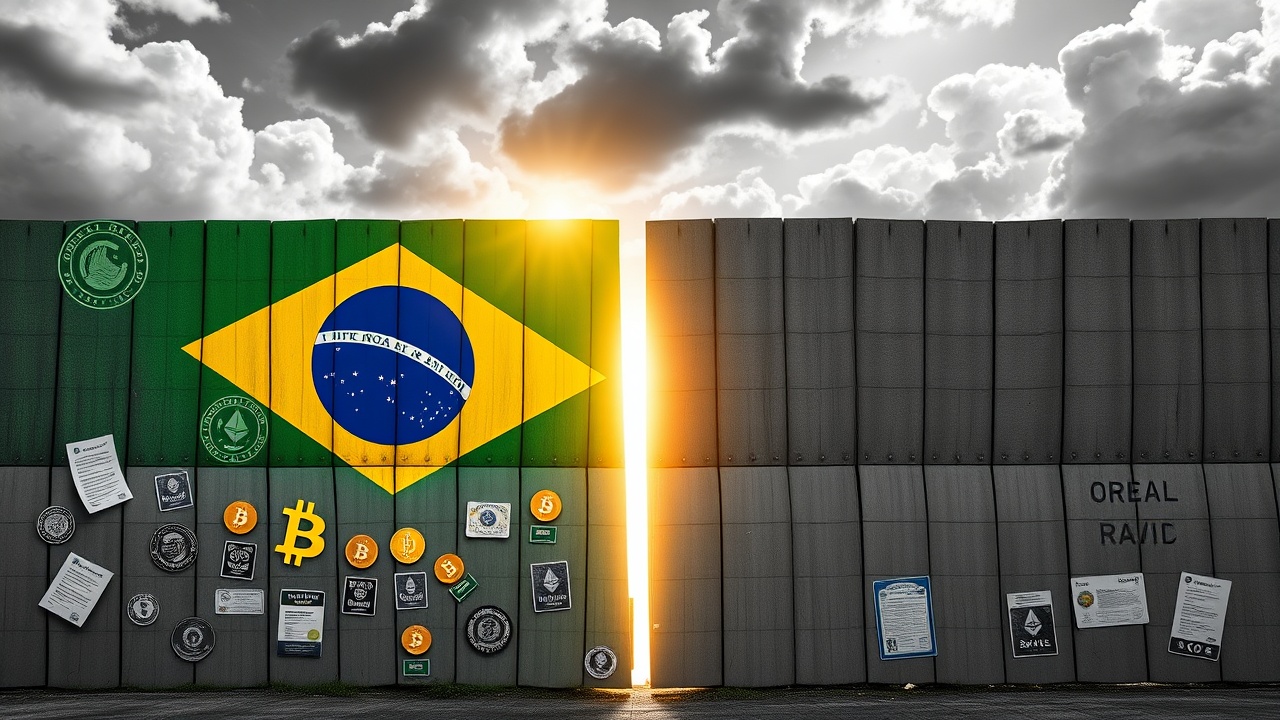
Brazil’s Central Bank Prohibits Virtual Assets in International Payment Systems
In a significant regulatory move, Brazil’s central bank has prohibited the utilization of virtual assets within its regulated international payment systems. This decision particularly impacts electronic foreign exchange (eFX) services, which facilitate certain international payments and transfers. The new regulation, designated as Resolution BCB No. 561, was issued by Banco Central do Brasil on Thursday, establishing updated guidelines for payment operators under the country’s foreign exchange regulatory framework.
New Guidelines and Restrictions
According to the newly enacted guidelines, any transactions or receipts conducted between parties involved in eFX services and foreign counterparts must exclusively utilize traditional foreign exchange channels. Additionally, these service providers may leverage transactions from non-resident Brazilian real accounts. Crucially, the new policy bars the use of cryptocurrencies and stablecoins for these transactions, effectively eliminating any possibility of settling payments through digital assets within the regulated eFX system.
It is important to note that this resolution does not impose a comprehensive ban on cryptocurrency transfers within Brazil; it specifically targets their use for settlements in the authorized eFX framework. Furthermore, transitional provisions are in place for companies not yet recognized as approved eFX providers. These firms may continue their operations, provided they apply for central bank authorization by May 31, 2027. Even then, the same restrictions on virtual asset payments and receipts will apply.
Increased Vigilance and Concerns
This move comes amid an increased vigilance by Brazilian authorities concerning crypto-related payment activities, particularly as the adoption of stablecoins continues to surge. The central bank has been actively integrating virtual assets into its regulatory and foreign exchange policies. Notably, in November 2025, new guidelines were implemented for virtual asset service providers, establishing authorization protocols and regulations pertaining to crypto services linked to the foreign exchange market.
BCB Governor Gabriel Galipolo highlighted the surge in cryptocurrency usage in Brazil in recent years, revealing that nearly 90% of the flows are associated with stablecoins. This growing trend has raised alarms over potential issues related to taxation, money laundering, and asset backing.
Moreover, the central bank is scrutinizing stablecoins that are not under its regulatory authority. In a recent technical note submitted to Congress, it cautioned that such cryptocurrencies might face prohibition or stringent conditions within Brazil. The note expressed concerns about real-denominated stablecoins issued outside BCB’s oversight undermining regulatory parity and monetary sovereignty, along with potential challenges posed by foreign currency stablecoins regarding capital movement and fragmentation of payment systems.