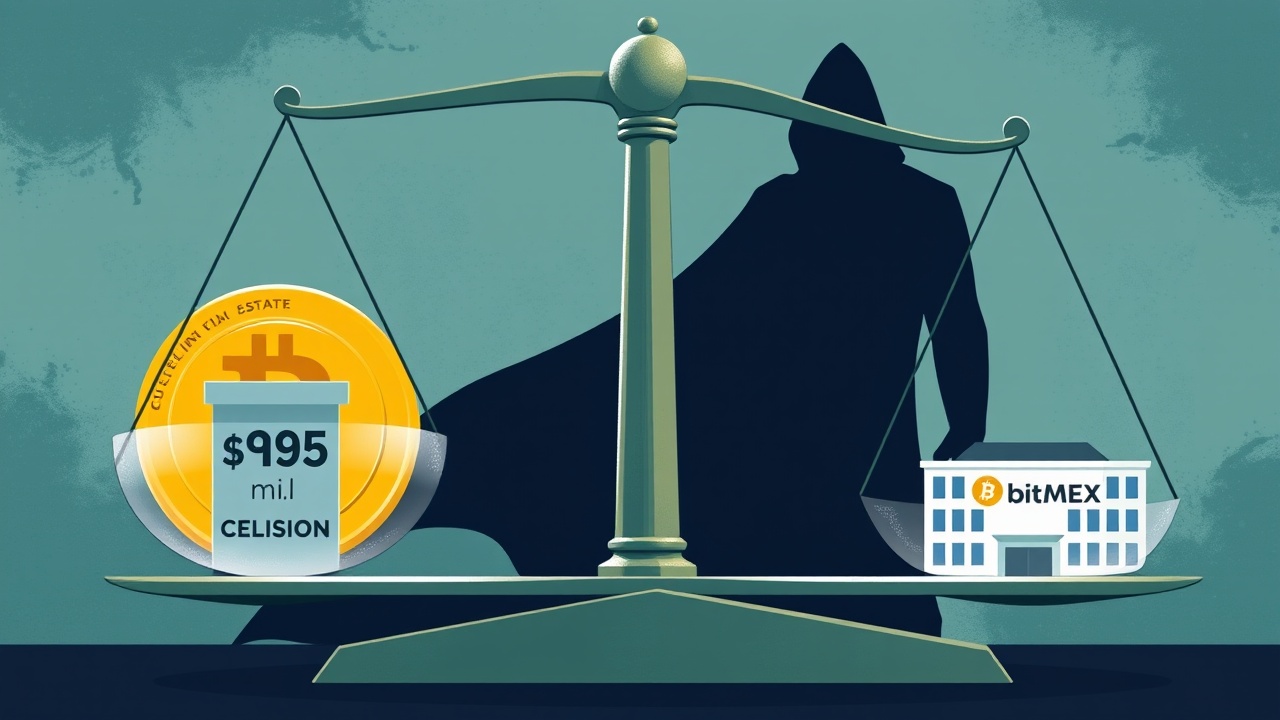
Celsius Network’s Lawsuit Against BitMEX
In a significant legal move, the Celsius Network’s bankruptcy estate has initiated a lawsuit against BitMEX, seeking the return of 6,360.17 Bitcoin, estimated to be valued at around $495 million. The lawsuit, filed on September 12 in the Southern District of New York’s Bankruptcy Court, accuses companies linked to BitMEX of engaging in fraudulent activities, violating contract terms, and unjustly profiting from Celsius’s forced liquidations during the turbulent financial period of March 2020, coinciding with the COVID-19 pandemic market crash.
Details of the Lawsuit
The case is being pursued by the Blockchain Recovery Investment Consortium, acting as the litigation administrator under Celsius’s reorganization plan. The defendants named in the suit include HDR Global Trading, ABS Global Trading, Shine Effort, 100x Holdings, and HDR Global Services, which have operations spanning across several jurisdictions such as Bermuda, the Cayman Islands, England, Hong Kong, the Seychelles, and the United States.
Celsius alleges that the chain of forced liquidations led to the loss of 1,325.84 BTC on March 12, 2020, with an additional loss of 5,034.33 BTC the following day after another liquidation by the investment fund JST, which later transferred its claims to Celsius. These liquidated positions were intended to yield profits as long as Bitcoin’s value held steady or increased; however, market reactions to the emerging pandemic caused a significant drop in Bitcoin prices, culminating in one of the most extreme volatile stretches in cryptocurrency history.
Claims Against BitMEX
In the filing, Celsius argues that BitMEX not only closed their trading positions but also improperly retained collateral that should have been returned, alleging that their liquidation practices were purposely designed to exacerbate customer losses. The lawsuit specifies claims of fraudulent transfer, breach of contract, unjust enrichment, and unjust dismissal based on the contrary nature of BitMEX’s liquidation procedures.
Notably, BitMEX was charged with having a conflicting interest through control over the insurance fund that benefitted from the liquidation of collateral. According to the lawsuit, BitMEX allegedly devised its platform in a way to facilitate the wrongful liquidation of customer assets, claiming:
“BitMEX intentionally designed its platform and liquidation procedures to cause liquidations of collateral and defraud its own customers.”
Context and Implications
The current complaint follows previous allegations from other traders and investment entities regarding BitMEX’s practices during the same period. A proposed class action lawsuit filed in July similarly challenges the exchange’s liquidation tactics, claiming that it retained BTC that should have been refunded to traders. This rising tide of lawsuits against BitMEX reflects concerns about the treatment of customer collateral amid market volatility.
Celsius’s bankruptcy proceedings began in June 2022 after the company froze withdrawals and subsequently filed for bankruptcy in July, amid severe liquidity issues. Multiple investigations into Celsius’s business operations concluded that it had engaged in highly speculative trading practices, which contradicted its marketing as a more secure investment option.
While Celsius has begun executing its reorganization plan, which was approved by a New York bankruptcy judge, the success of the 6,360.17 BTC recovery remains uncertain and hinges on the outcomes of the litigation process. The process includes ongoing distributions to creditors, and litigation recoveries could serve to enhance these repayments. This lawsuit marks the second legal challenge to BitMEX’s liquidation mechanisms, as the exchange prepares to cease operations later this month, instructing clients to withdraw their funds by September 23, 2023. Since its inception in 2014, BitMEX has faced scrutiny and legal action from U.S. officials over past compliance failures, which further complicates its current legal landscape.