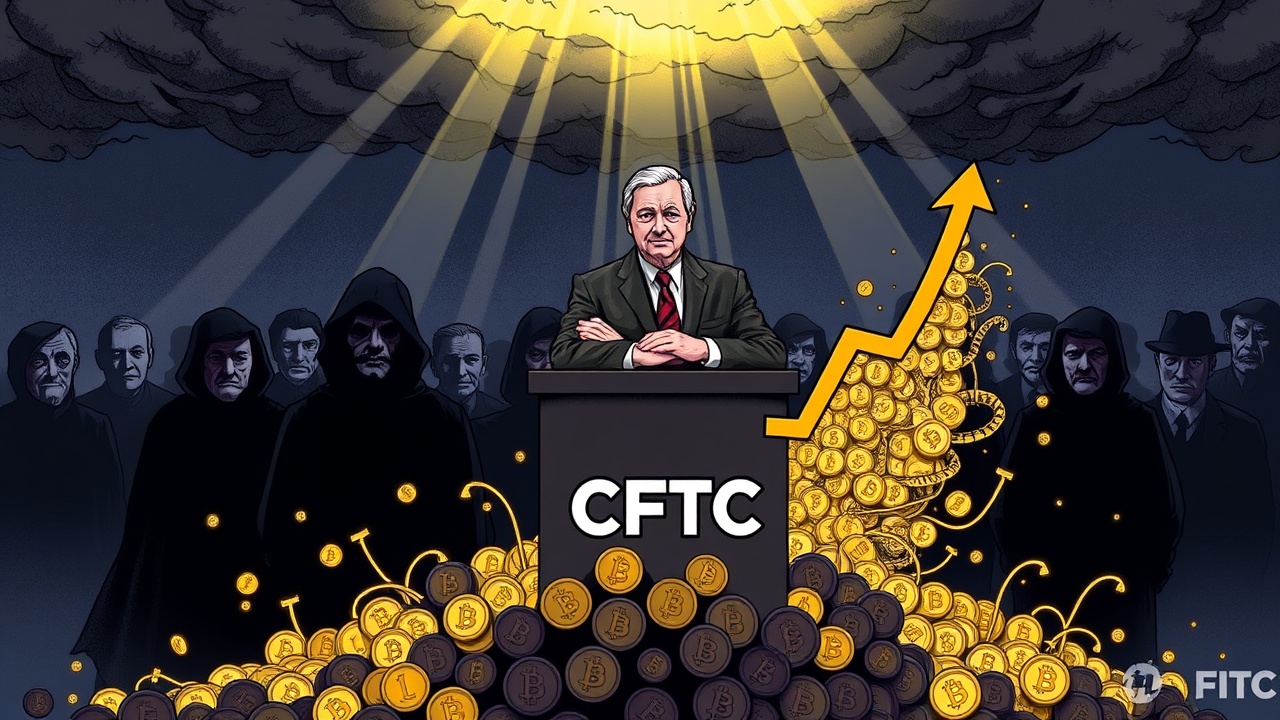
Overview of CFTC’s Actions on Perpetual Futures Contracts
The U.S. Commodity Futures Trading Commission (CFTC) is addressing prevalent concerns regarding perpetual futures contracts, a contentious area in the expanding digital asset market oversight. In a recent announcement on X, CFTC Chair Michael Selig shared insights drawn from over 100 responses received during a consultation held in 2025, highlighting the agency’s commitment to transparency and regulation in this innovative financial space.
Criticism and Clarifications
Critics have argued that perpetual futures may not align with traditional futures contracts due to their lack of a fixed expiry date. However, Selig clarified that existing laws and regulations, including the Commodity Exchange Act, do not impose such a requirement. Instead, the classification of what constitutes a futures contract is shaped by legal interpretations and court rulings, which do not necessitate a predetermined expiration.
Leverage Concerns
Leverage has also been a focal point of criticism, particularly regarding the recently authorized BTCPERP contract, which some argue might enable U.S. traders to utilize leverage as high as 250 times. In refuting this, Selig pointed out that such high leverage is predominantly a feature of offshore exchanges and does not typify perpetual futures governed by CFTC regulations. Contracts overseen by the CFTC are bound by the same leverage limitations that apply across the board to other futures products within the U.S.
Market Engagement and Feedback
Furthermore, the CFTC has taken note of concerns surrounding market participant engagement during the approval phase, citing a request for feedback issued in April 2025, which successfully attracted over 100 contributions from involved parties, including many established firms registered with the commission.
Funding Rates and Market Dynamics
Another debated aspect of perpetual futures is the addition of funding rates, which critics claim can inflate operational costs for traders and potentially foster negative market practices. Selig countered that when traders manage traditional futures, they inevitably incur similar costs when rolling over expiring contracts. He explained that funding rates play a crucial role in aligning perpetual futures with spot market dynamics, thus discouraging misbehavior rather than promoting it.
Future of CFTC and Cryptocurrency Regulation
These discussions come at a pivotal time as the CFTC consolidates its role in the realm of cryptocurrency regulation amidst ongoing legislative deliberations that could reshape its jurisdiction alongside the SEC. Notably, the commission has recently appointed Donald Battle, previously involved with the SEC’s crypto task force, as its chief data innovation officer, leveraging his expertise in blockchain and analytics.
Broader Regulatory Involvement
Beyond cryptocurrency, the CFTC is actively involved in addressing issues around prediction markets and event contracts. Recent court documents indicate a challenge against New Mexico state officials regarding the application of local gaming regulations on federally regulated event contracts, asserting that such contracts fall within the CFTC’s regulatory purview. Concurrently, the agency is fostering public dialogue over a proposed regulatory framework governing sports event contracts, which could significantly influence the federal oversight of sports betting markets moving forward.