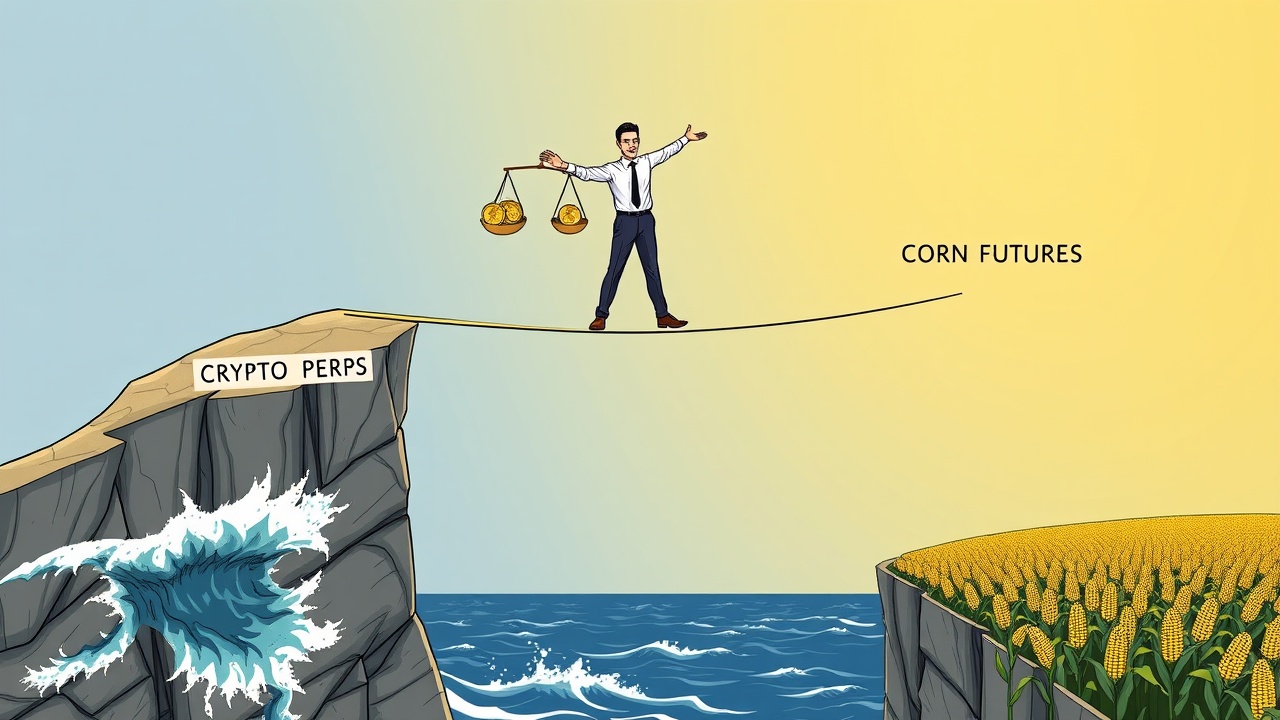
Cryptocurrency Perpetual Futures and Agriculture
At the American Cotton Shippers Association Annual Convention on Tuesday, CFTC Chair Michael Selig spoke on the topic of cryptocurrency perpetual futures, categorically asserting that these instruments are ill-suited for the agricultural sector. His comments come amid a growing acceptance of regulated crypto perpetuals across various platforms in the United States.
Incompatibility with Agricultural Markets
Selig pointed out that the 24/7 trading environment and perpetual nature of these crypto contracts are not compatible with agricultural markets, which rely heavily on physical deliveries and limited trading hours. He expressed appreciation for the contributions of those in the cotton industry, noting their essential role in providing textiles and medical supplies.
Regulatory Developments and Market Evolution
The contrast Selig made reflects the Commodity Futures Trading Commission’s historical oversight of traditional commodities like corn and livestock, and its evolving focus on the burgeoning digital asset market. Recent months have seen significant developments in crypto trading, with the CFTC recently approving Bitcoin perpetual futures for platforms such as Kalshi, while also allowing Coinbase to offer similar products. Kraken has entered this space as well, launching perpetual futures for U.S. clients via its CFTC-regulated Bitnomial platform.
In conjunction with these developments, both the CFTC and the SEC have undertaken a joint consultation to reassess regulatory frameworks concerning swaps and derivatives in light of evolving financial products. This initiative stems from the recognition that market practices have shifted since Title VII of the Dodd-Frank Act was enacted. The agencies are seeking public comments on various topics—including the definitions of swaps and the classification of innovative financial instruments—over the next 60 days.
Clarifying Regulatory Ambiguities
Selig noted that the public consultation could clarify persistent ambiguities in regulations, a sentiment echoed by SEC Chair Paul Atkins, who pointed out the need for greater regulatory clarity for event-based products. One of the focal points of this review is the classification of crypto perpetual futures, which lack an expiration date and fundamentally differ from traditional futures contracts.
Should regulators decide to classify these crypto perpetual contracts as swaps, the exchanges offering them might face distinct obligations related to execution and oversight, which could significantly impact trading infrastructure.
Surge in Interest and Legal Scrutiny
Interest in regulated crypto perpetuals has surged, attracting the attention of major exchange operators. Reports indicate that the CBOE is contemplating the transition of its Bitcoin and Ether futures to perpetual contracts, especially after witnessing over $8.5 billion in trading volume on Kalshi shortly after its launch.
However, Selig’s regulatory efforts regarding prediction markets and crypto futures have come under legal scrutiny, with CME Group recently filing a lawsuit against the CFTC, alleging violations of the Commodity Exchange Act. Amidst this legal landscape, Selig is currently the sole commissioner of the CFTC following the departure of Caroline Pham; President Biden has yet to appoint new commissioners despite pressure from lawmakers to fill these vacancies.
Future Legislative Considerations
As we approach the new session, the Senate is also set to examine the proposed Digital Asset Market Clarity Act, which could reshape the regulatory responsibilities of the CFTC and SEC concerning digital assets. This evolution underscores a critical moment in establishing a coherent framework for the rapidly expanding realm of cryptocurrencies.