Introduction
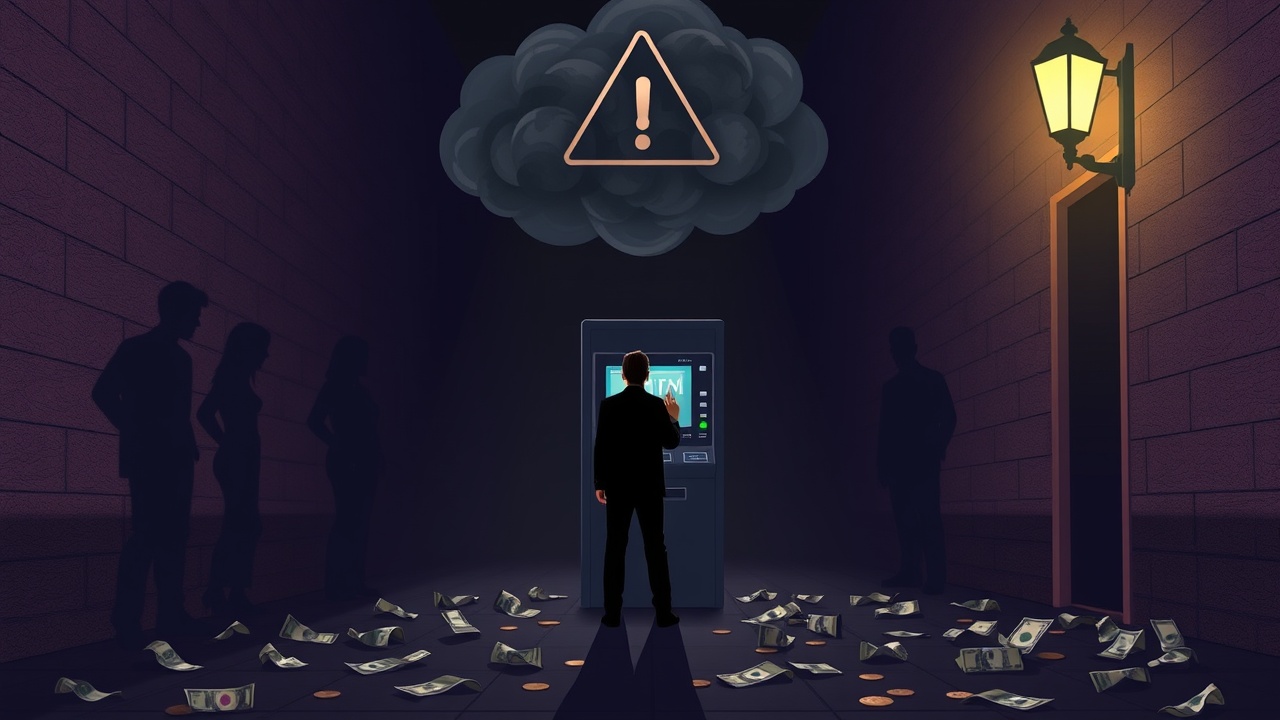
In a significant move to combat fraud, the U.S. Commodity Futures Trading Commission (CFTC) has launched a critical initiative dubbed “Pause Before You Pay.” This directive highlights the alarming rise in fraudulent activities involving cash transfers through cryptocurrency ATMs, following a sharp increase in losses reported by Americans, which spiked 58% over the past year, totaling more than $388 million.
Background and Context
The CFTC’s warning comes in the wake of a summer infrastructure crisis that has severely impacted the cryptocurrency sector, underscoring the importance of remaining vigilant against scams. The agency advises individuals to approach any communication from individuals claiming to represent government entities or financial institutions with skepticism, particularly if they suggest utilizing public crypto ATMs, which should now be regarded as “Probably a Scam.”
How Scammers Operate
Crypto ATMs have emerged as preferred tools for scammers due to their one-way transaction mechanics, differing from traditional banking systems where transactions can be traced and halted. Scammers frequently impersonate representatives from the Internal Revenue Service (IRS), banks, or tech support teams, employing psychological manipulation to instill fear and urgency in their targets.
The Victim’s Experience
Victims, caught in this whirlwind of anxiety, withdraw cash and locate the nearest crypto terminal to process the transaction. Once they scan a QR code provided by the fraudster, their cash is instantaneously transformed into cryptocurrency and transferred to an anonymous wallet, effectively leaving victims with no recourse for recovery.
Key Takeaways
The CFTC emphasizes that no reputable government entity or financial corporation will ever request payments via crypto ATMs or through gift cards. Thus, any discussions surrounding these methods should serve as an immediate warning that one is dealing with a potential criminal.