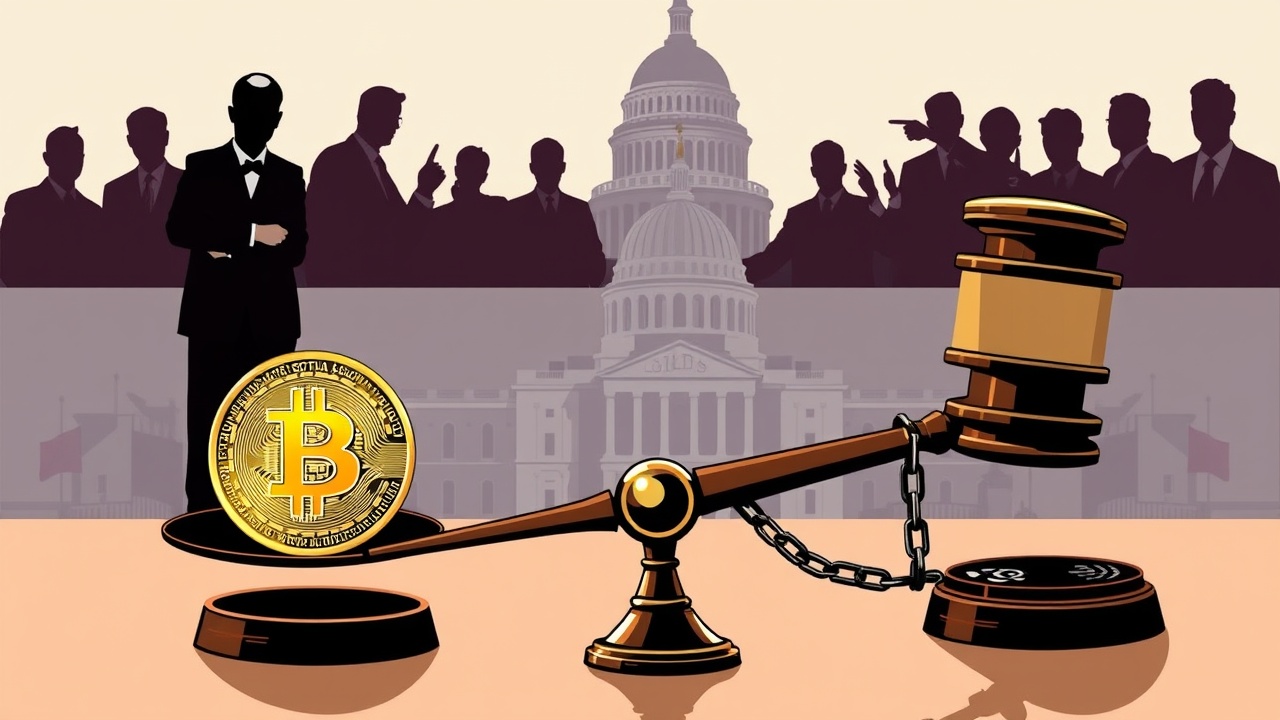
Overview of the CLARITY Act
Faryar Shirzad, Coinbase’s Chief Policy Officer, has dismissed allegations that the CLARITY Act poses a threat to U.S. national security. In a social media update on July 11, Shirzad explained that ambiguous regulations concerning cryptocurrency allow malicious actors to bypass regulatory scrutiny. He advocated that the legislation would effectively funnel more digital asset transactions into a structured federal regulatory environment rather than maintain the current disjointed oversight.
Key Provisions of the Legislation
Shirzad emphasized that the proposed legislation would extend Bank Secrecy Act responsibilities to crypto brokers, dealers, and exchanges, enforcing measures such as:
- Anti-money laundering protocols
- Customer verification
- Reporting of suspicious activities
- Compliance with sanctions
He highlighted provisions permitting platforms to halt dubious transactions following law enforcement requests.
This isn’t a free pass for crypto,
he asserted, framing the bill as a robust security initiative.
Concerns from Critics
In stark contrast, Senator Elizabeth Warren expressed concerns about the CLARITY Act, referring to an article by former National Security Council Iran director Richard Nephew. She cautioned that the current language of the act could facilitate sanctions evasion, as Nephew argued that the bill might exempt some decentralized finance (DeFi) participants from stringent Bank Secrecy Act requirements, complicating enforcement efforts.
The central issue in the ongoing debate revolves around the registration and monitoring obligations for crypto businesses in relation to federal regulations. Critics like Warren argue that allowing exceptions for certain non-custodial services could create vulnerabilities that are exploitable by foreign entities, criminal organizations, or sanctioned groups. Similarly, a recent advisory from a Senate Banking Committee minority expressed concerns about potential regulatory gaps.
Support for the Act
Meanwhile, proponents maintain that existing sanctions frameworks will remain active while the bill will empower the Treasury Department and FinCEN with additional regulatory authority. The Senate Banking Committee’s fact sheet on the CLARITY Act asserts that it seeks to impose federal anti-money laundering and counter-terrorism financing rules specifically on centralized digital asset intermediaries.
Furthermore, it introduces a new Treasury authority called Special Measure 6, aimed at targeting foreign jurisdictions and institutions associated with significant money laundering risks related to digital assets. The proposed legislation also seeks to enhance funding for FinCEN, imposes risk management requirements on digital asset companies, and establishes a program for collaboration between government agencies and the private sector on information sharing.
Upcoming Developments
According to recent updates from crypto news outlets, Senate staff are preparing to unveil a consolidated draft of the CLARITY Act during the week of July 13. This updated version will incorporate feedback from both the Banking and Agriculture committees and includes over 70 additional pages focusing on enhanced consumer protections and adjustments requested during bipartisan negotiations.
While Senate leaders aim for potential floor discussions during the week of July 20, numerous contentious issues remain unresolved. Lawmakers are still deliberating on ethics regulations, rewards for stablecoins, protections for decentralized finance, and legal provisions for software developers. Notably, Senator Ron Wyden insists that the final draft must maintain protections for software developers without custody of customer assets.
The House had previously endorsed an earlier iteration of the act in July 2025, whereas the Senate Banking Committee moved its version forward with a 15-9 vote in May 2026. To advance to the president for approval, both chambers need to reconcile their respective drafts. With the Senate’s August recess commencing on August 7, time is of the essence for debate and amendments. The national security debate adds an additional layer of complexity and urgency as supporters work to gather sufficient Democratic support for passage before the summer break.