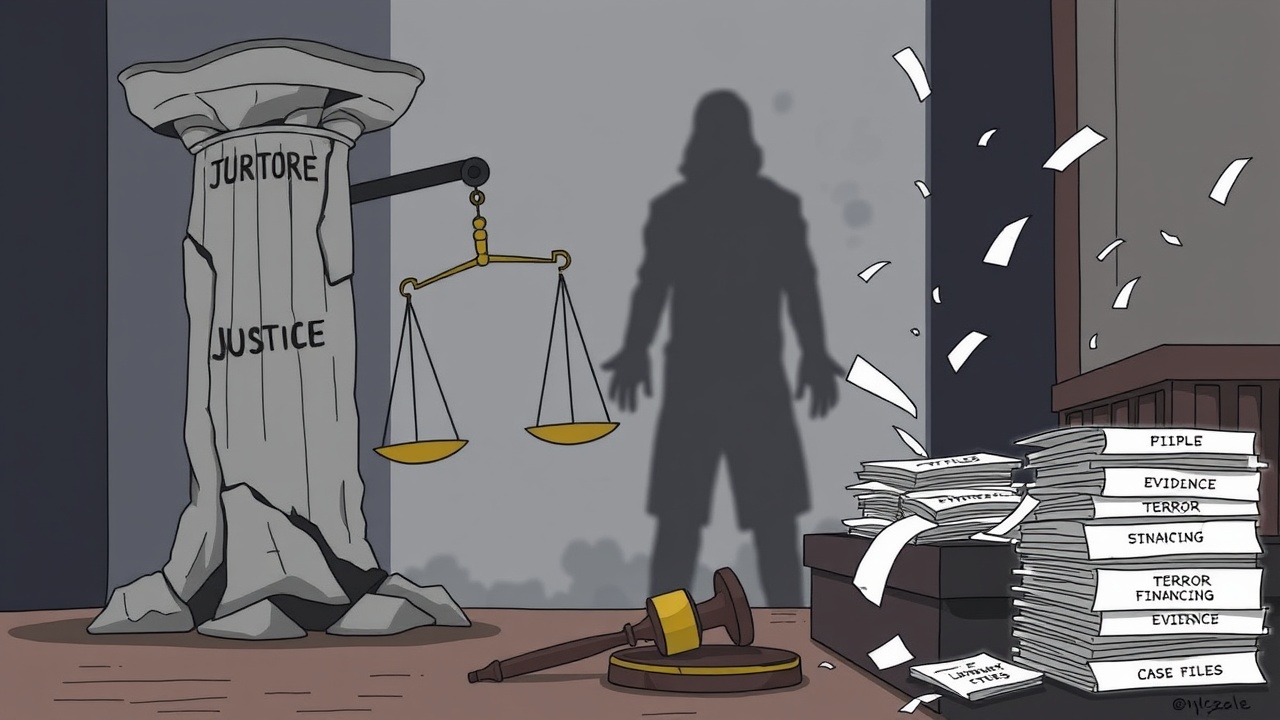
Federal Court Dismisses Lawsuit Against Binance
In a significant legal decision, a federal court in New York has thrown out a lawsuit aimed at crypto giant Binance, which was accused of being complicit in financing terrorism. Issued on March 6 by Judge Jeannette A. Vargas of the US District Court for the Southern District of New York, the ruling concluded that the plaintiffs did not fulfill the necessary legal criteria to hold Binance accountable under U.S. anti-terrorism legislation.
Background of the Case
The case had been brought forth by a group of hundreds, consisting of victims and the families of those affected by terrorist attacks linked to incidents that occurred globally from 2016 to 2024. They claimed that Binance had allowed accounts associated with terrorist organizations to operate on its platform, thereby facilitating the movement of funds for these groups. The plaintiffs asserted that this constituted aiding and abetting terrorism according to the US Anti-Terrorism Act and the Justice Against Sponsors of Terrorism Act.
Court’s Findings
However, the court found the arguments presented by the complainants unconvincing, stating that there was insufficient evidence to suggest that Binance had purposefully provided significant support to these terrorist factions. The judge pointed out that the accusations primarily depended on generalized assertions that certain digital wallets, which had been linked to sanctioned entities, used Binance services without adequately proving that the exchange had knowledge of these affiliations at the relevant times.
Additionally, Judge Vargas noted a vital flaw in the plaintiffs’ case: they failed to connect the alleged cryptocurrency transactions to the specific terrorist acts cited in their complaint. Instead of presenting detailed facts demonstrating a direct link between funds transacted through Binance and the terrorist incidents, the plaintiffs relied on broad assertions about the misuse of digital currencies by militants.
Conclusion and Next Steps
Due to these issues, the court determined that the lawsuit could not satisfy the legal standards necessary for establishing aiding-and-abetting culpability under US terrorism legislation. Nonetheless, while dismissing the complaint, Judge Vargas has permitted the plaintiffs a window of 60 days to revise and strengthen their filing. Should they be able to present more compelling claims, the case may continue in the federal court system.