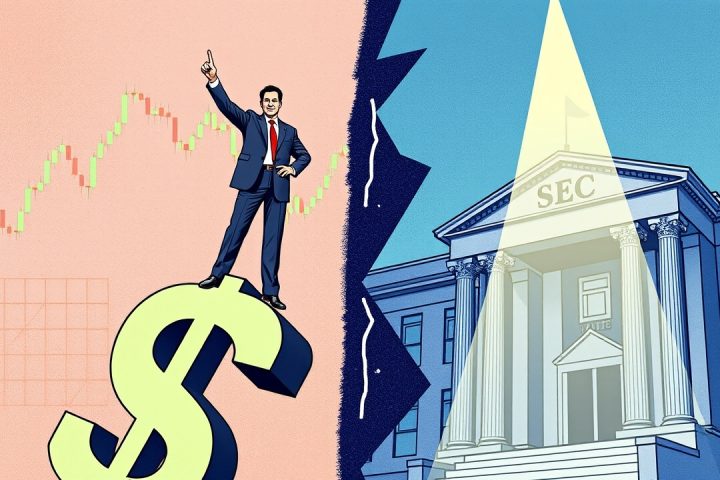
Analysis of the CLARITY Act Rejection
In a recent analysis, David Schwartz, the former Chief Technology Officer at Ripple and the mastermind behind the XRP Ledger, attributed the rejection of the CLARITY Act in the U.S. Senate to the influence of traditional financial interests. The bipartisan bill aimed to establish clear regulations for cryptocurrencies but failed to achieve the necessary 60 votes, gathering only 49 in favor against 50 opposing votes.
Schwartz contends that lawmakers are using public safety rhetoric as a facade to maintain the stronghold of commercial banks over the financial system.
Senator Hawley’s Opposition
His comments followed remarks made by Republican Senator Josh Hawley, who voted against the bill claiming that allowing yield-bearing stablecoins would lead to a significant exodus of funds from community banks in Missouri, potentially crippling local economies and limiting access to credit for farmers. Schwartz countered that Hawley’s statement revealed the true motive behind the opposition — protecting bank profits.
He expressed skepticism about the bill’s capacity to adversely affect banks’ lending abilities, suggesting that if it did cause such an issue, it could actually foster a dynamic lending environment, where investors offer loans directly to the economy under favorable terms.
Political Landscape and Lobbying Influence
Hawley was joined in his dissent by Senators Thom Tillis, Jerry Moran, and Susan Collins, all of whom broke from the typical party line in favor of the banking sector’s interests, further reflecting the powerful lobbying efforts of the American Bankers Association.
Ripple’s Regulatory Challenges
Alongside this political stalemate, Ripple’s investment initiatives are also being impacted by pressing regulatory actions. The Securities and Exchange Commission (SEC) has once again delayed its decision on Teucrium’s proposed 2x Short Daily XRP ETF, with this being the 19th extension, now set for October 11. Schwartz remarked on this postponement with dry humor, indicating his eagerness to take advantage of future market movements once the necessary approvals are secured.
In contrast, Teucrium’s 2x Long Daily XRP ETF continues to remain active, managing a portfolio of $151 million despite the overall headwinds facing XRP regulation in America. Amidst these developments, the price of XRP experienced a slight dip, settling around $1.29.