Legislative Developments on Housing and CBDC
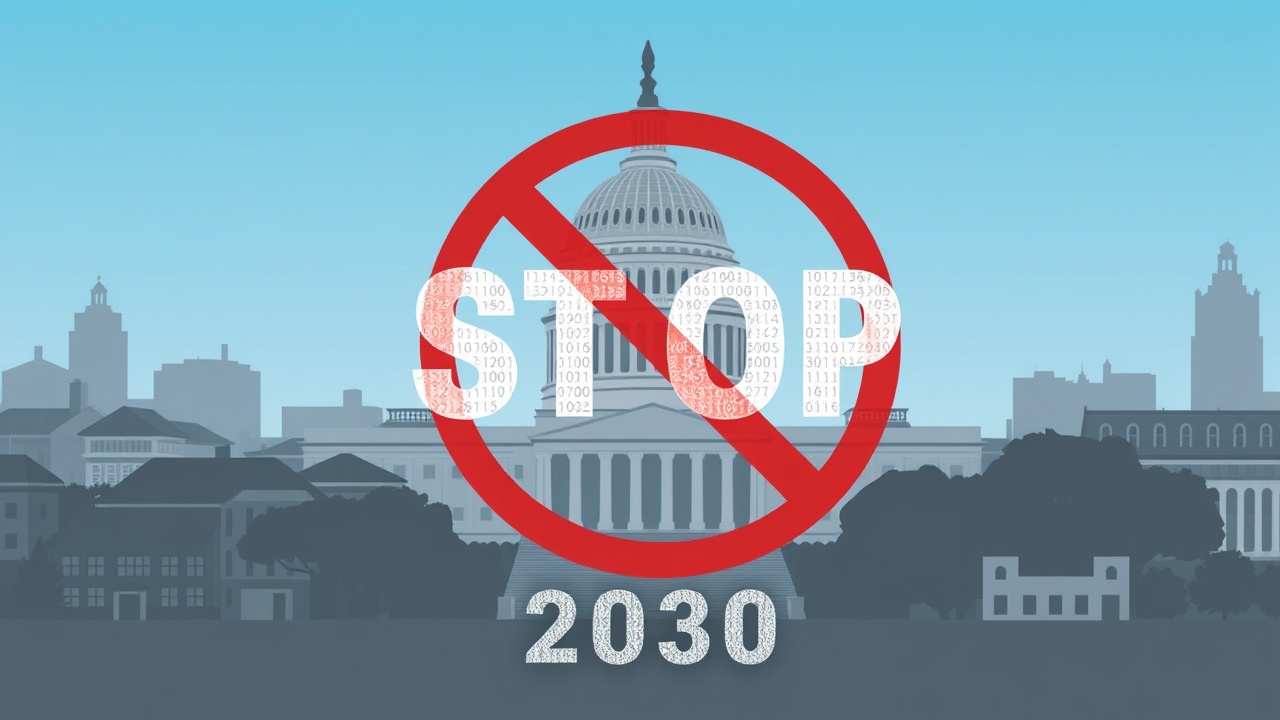
The legislative landscape in the United States is witnessing a significant development as leaders in both the House and Senate have struck a deal concerning a housing bill that effectively prohibits the creation of a central bank digital currency (CBDC) by the Federal Reserve until the year 2030. This agreement, which addresses the pressing issue of housing affordability, also includes measures aimed at restricting institutional investors from purchasing single-family homes for the purpose of renting them.
Details of the 21st Century Road to Housing Act
The updated version of the 21st Century Road to Housing Act was unveiled on a Tuesday by a bipartisan assembly of congressional leaders. The Senate initially passed the CBDC ban in March, and the House followed suit with its version in May, reflecting a strong bipartisan consensus. However, both chambers encountered disagreements on certain provisions, prompting the Senate to introduce additional amendments that will now be presented to the House for its decisive vote.
Implications and Future Legislative Focus
Observers anticipate a swift passage of this legislation, marking a significant victory for Republican lawmakers who have long sought to implement a ban on CBDCs, which have faced criticism from cryptocurrency proponents. These advocates argue that the advent of CBDCs may signify governments’ intentions to co-opt cryptocurrency technology for centralized control.
Beyond the CBDC provisions, the agreement allows Congress to shift its focus to other legislative priorities ahead of the August recess and the upcoming midterm elections scheduled for November. Notably, the proposed CLARITY Act, aimed at establishing a regulatory framework for cryptocurrency, is among the bills that lawmakers are eager to progress.
Key Provisions of the Housing Bill
According to credible sources, House Republican leadership plans to bring the housing bill to a vote shortly after the House reconvenes from its recess on June 23. Noteworthy within the legislation is a stipulation explicitly stating that the Federal Reserve is barred from
“issuing or creating a central bank digital currency or any digital asset substantially similar to a central bank digital currency,”
with this restriction set to lapse by December 31, 2030. Additionally, the legislation makes an exception for cryptocurrency stablecoins, defined as
“dollar-denominated currency that is open, permissionless, and private.”
Historical Context and Future Considerations
This legislative initiative echoes significant language from Representative Tom Emmer’s Anti-CBDC Surveillance State Act, initially proposed in June 2025, which received House approval yet failed to advance in the Senate. Furthermore, former President Donald Trump had previously issued an executive order in January 2025 that banned federal agencies from any involvement with CBDCs, asserting that such currencies posed threats to the financial system’s stability, personal privacy, and national sovereignty.
Overall, this agreement signifies a key moment in the ongoing debate over the future of digital currencies in the United States and underscores the complexities surrounding housing policy in the current political climate.