Introduction to Verified Backing
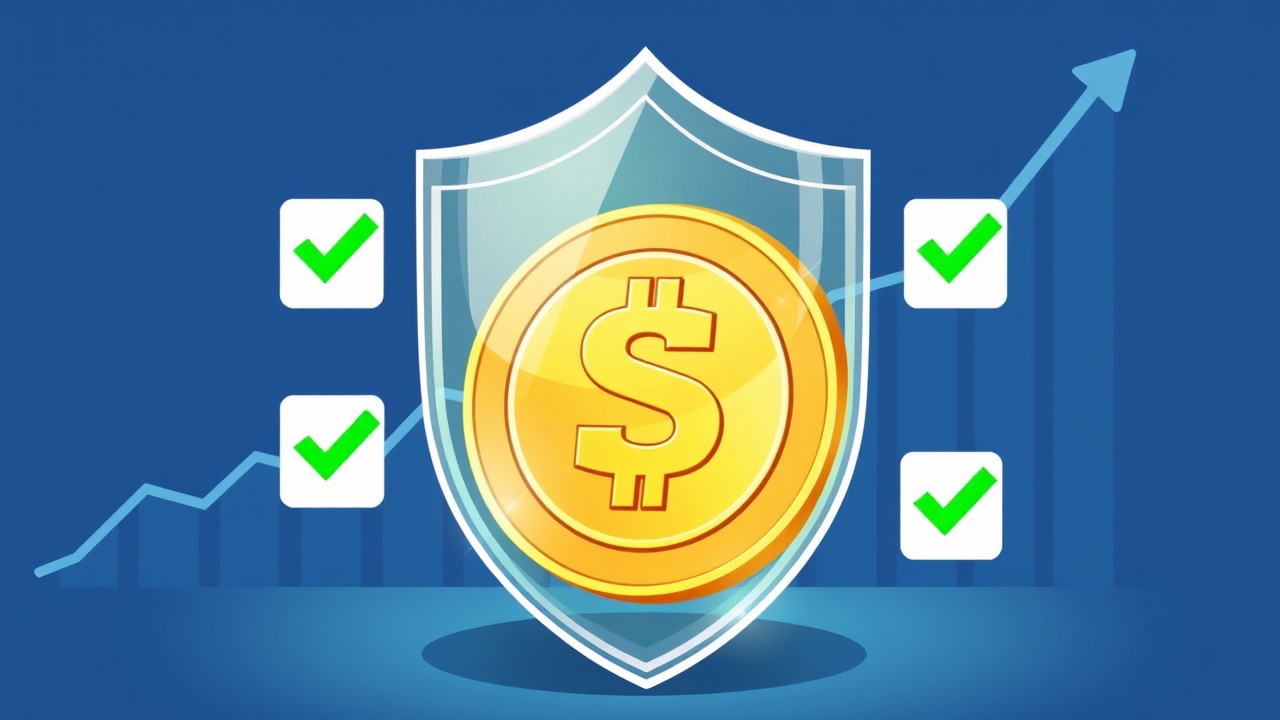
Episode Six, a financial technology company based in Austin, Texas, has introduced a new feature called Verified Backing aimed at enhancing security for bank-issued stablecoins and tokenized deposits. Announced on October 15, this feature enables real-time validation processes at both the issuance and redemption stages, ensuring that tokens are properly backed by actual cash reserves before they leave the bank or are transferred to another entity.
Core Functionality
At the core of Verified Backing is the E6 Token Control Ledger, which serves as a comprehensive record system that banks can use to check whether the tokens they issue are indeed supported by sufficient backing. This includes assessments of both stablecoins and tokenized deposits, which are increasingly being adopted within banking practices.
When a bank decides to create a token, Verified Backing first ensures that the necessary funds or assets are available to support it. Then, upon redemption, the system verifies that the token is still valid, outstanding, and correctly backed according to the ledger’s entries. Episode Six emphasizes that this verification occurs regardless of how many wallets or blockchain networks the token may have traversed — adding a crucial layer of security and reliability to digital transactions.
Expert Insights
Daryn Griggs, managing director for APAC at Episode Six, underscored the importance of this check, stating, “For risk and compliance teams, the most challenging question isn’t if a token was legitimate during its creation, but if it remains so by the time it is redeemed.” He noted that the new process allows banks to confidently validate tokens, helping to protect against potential losses when tokens are exchanged for cash or other assets.
Comparison to Traditional Methods
Unlike traditional reconciliation methods that reconcile transactions post-factum, Verified Backing proactively assesses token legitimacy during issuance and redemption, akin to the transition from magnetic-stripe cards to EMV chip-and-PIN systems, which prioritize transaction verification at the point of sale.
Broader Implications
As banks embrace tokenized money, this technology not only ensures its compliance and security but also allows financial institutions to tailor their operations around a system they can manage in real time. Episode Six’s CEO, John Mitchell, noted that as the prevalence of tokenized assets grows, so must the trust and validation efforts that accompany them.
Currently, Verified Backing is available to all Episode Six clients worldwide, supporting their operations across more than 50 countries. This feature comes on the heels of efforts by other major lenders — including Wells Fargo, which recently initiated projects on tokenized deposits, aiming to facilitate corporate transactions and enhance cross-border fund movement.
Regulatory Landscape
In the broader regulatory landscape, the U.S. Office of the Comptroller of the Currency is also exploring frameworks for stablecoin issuers, focusing on reserve assets and redemption practices as part of their upcoming guidelines. Meanwhile, Canadian banks are collaborating to explore a shared system for tokenized Canadian-dollar deposits, marking a significant step in the integration of digital currency solutions within established financial frameworks.
Conclusion
The rapid evolution in this sector underlines the importance of innovative technologies like Episode Six’s Verified Backing as financial institutions seek to navigate the complexities of tokenization while safeguarding compliance and enhancing consumer confidence in digital assets.