Federal Reserve Proposes New Regulation for Cryptocurrency Firms
On Thursday, the Federal Reserve unveiled a proposed regulation aimed at guiding the practices of American cryptocurrency firms in customer evaluation and anti-money laundering efforts, following the recent legalization of stablecoins. This rulemaking, developed in collaboration with various agencies from the administration of former President Donald Trump, including the Treasury Department and the FDIC, seeks to clarify the implementation of customer identification mandates outlined in the GENIUS Act. Established last summer, the GENIUS Act paved the way for the legal issuance of stablecoins—digital currencies tethered to the U.S. dollar.
Key Details of the Proposed Regulation
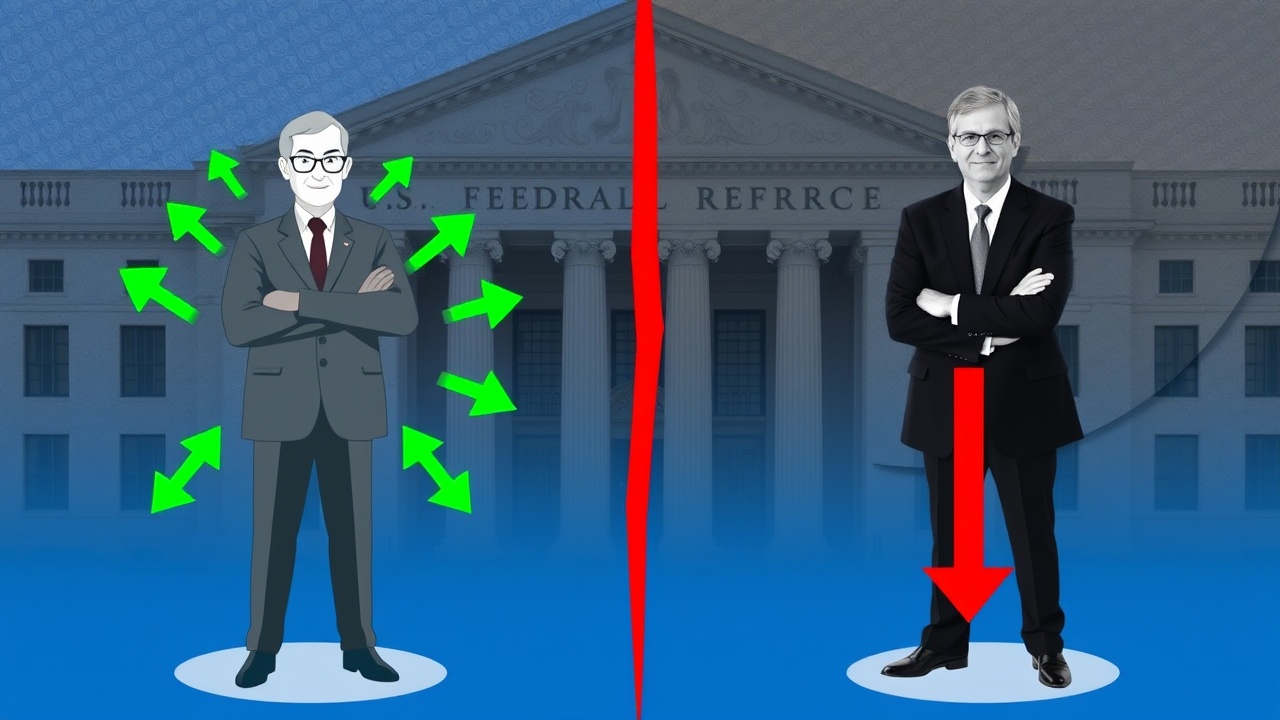
While all members of the Fed’s board, including former Chair Jerome Powell, endorsed the proposed regulation, an interesting twist came from the current Fed Chair, Kevin Warsh, who chose to abstain from the vote. Notably, Warsh did not provide an explanation for his abstention, and inquiries from Decrypt regarding this matter went unanswered by a Fed spokesperson.
The proposed regulation aims to require “digital asset service providers”—which encompass any U.S. individuals or entities involved in crypto transactions—to adopt rigorous measures to prevent their services from inadvertently aiding criminal activities linked to stablecoins. Specifically, these entities will need to verify customers’ identities by confirming their names, dates of birth, and addresses, and must also compare this information against lists of known terrorists and sanctioned organizations issued by the U.S. government.
Concerns and Criticism
Interestingly, the proposed regulations do not apply to decentralized protocols, a point that prompted some criticism from Fed Governor Michael Barr, who expressed his concerns on the same day, despite casting his vote in favor of the new measures. Barr emphasized that although he supports this regulatory proposal, he believes the GENIUS Act framework falls short in tackling potential risks associated with illicit financial activities occurring through secondary market transactions in payment stablecoins.
Next Steps
Moving forward, this regulatory proposal will be open for public commentary for a duration of 60 days, allowing stakeholders and the public to weigh in on the guidelines that could shape the future of stablecoin operations in the United States.