Fluidkey Restores Operations After $1.63 Million Security Breach: The Importance of Vigilance in Blockchain Transactions
Fluidkey's $1.6 million hack highlights security risks, prompting app updates and investigations, while ensuring users' private keys remained secure.
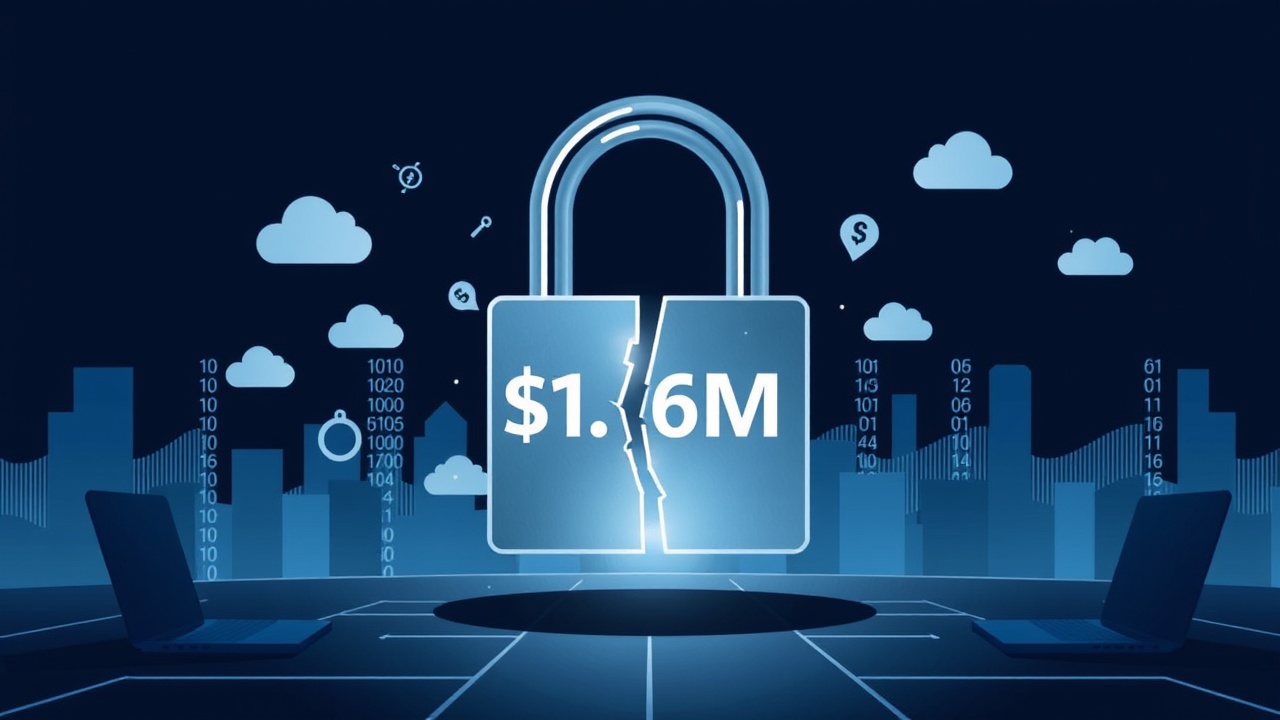
Fluidkey Restores Access to Privacy Wallet
Fluidkey announced that it restored access to its privacy wallet on November 20, just a day after suspending its services due to unauthorized fund transfers that raised alarms within the user community. Following this incident, the company released version 1.79.22 of its applications for web, iOS, and Android, urging users to update their apps in order to resume transaction capabilities. Older app versions, however, will remain inaccessible, so users are instructed to navigate to the Settings menu and select 'Update' to continue using the platform safely.
Security Breach Investigation
The firm traced the security breach to vulnerabilities present in a third-party logging tool and assured customers that their private keys remained securely on their devices. The downtime began on November 19, with the shutdown being a proactive measure. In an update issued on the evening of the incident, Fluidkey reported no additional unauthorized transactions had occurred since the services went offline and confirmed their collaboration with SEAL 911 to investigate and recover the misappropriated funds.
Financial Impact and Analysis
Prior to the launch of the updated version, Fluidkey had warned users to refrain from utilizing both the site and the app. Blockchain analytics firm Bitquery conducted an analysis and discovered that around $1.6 million had been traced to wallets associated with the security event, spanning across six different blockchains, including Base and Ethereum. An independent tracking initiative, led by pepebndc, estimated that the total amount involved was approximately $1.63 million across seven blockchains. This figure includes suspected transaction destinations and does not account for confirmed withdrawals made by owners.
Interestingly, Bitquery identified a particular transaction on the Polygon network that appeared legitimate, linking it back to the incident after monitoring the activity of the recipient on Base. Moreover, the analytics firm distinguished between the incident-related transactions and $349,000 worth of payments sent to wallets with known histories during their one-hour monitoring period. This latter category comprised routine transfers including approximately $277,000 that was transferred to an older wallet on Ethereum and Base during the incident, which Bitquery flagged as a singular user's transfer of personal assets, while leaving $65,000 unclassified in terms of origin.
User Guidance and Recovery Strategy
Users are advised to verify their own transaction details by looking up their receiving address or transaction hash in a block explorer, a tool handy for tracing blockchain transactions. Resources like the ethereum.org guide provide guidance on utilizing block explorers to check transaction records, which are essential for confirming the time, amounts, and assets involved in user transactions.
For affected users, Fluidkey has outlined a recovery strategy that includes the last-resort option known as SARA for address verification or fund access, with a caution that moving funds outside the app's designated procedures may hinder app performance. Fluidkey has committed to reaching out to impacted users for direct communication and will release a comprehensive report on the incident. Additionally, the company warned users to be vigilant against impersonators, affirming that its staff would never initiate private communications via social networks. Users seeking assistance are advised to consult the official Fluidkey website for verified support.
Conclusion
This incident reflects an ongoing concern regarding security protocols in online financial services, highlighting that even though private keys remained secure, vulnerabilities in third-party tools can still jeopardize user assets.
Also in other languages: РусскийDeutschFrançaisItalianoEspañol