Binance’s New Trading Framework in the Philippines
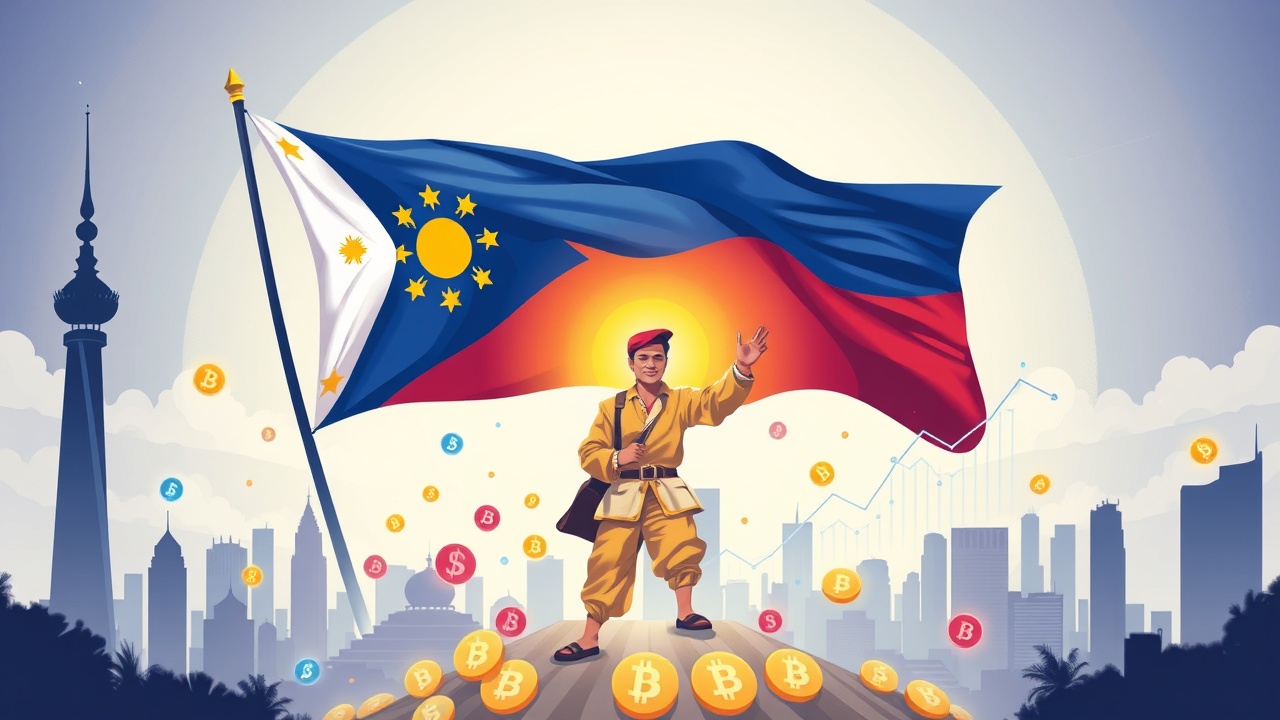
Despite regulatory hurdles that have previously limited its operations in the Philippines, Binance is prepared to offer its trading services thanks to a new framework established in partnership with BlockShoals Technologies. This setup, which operates under the Philippine Securities and Exchange Commission’s (SEC) regulatory sandbox, enables Binance to engage with local users without needing a Virtual Asset Service Provider (VASP) license specific to the country.
Regulatory Compliance and Limitations
Marie Antonette Quiogue, legal head at BlockShoals, explained during an interview at Philippine Blockchain Week 2026 that while Binance can facilitate cryptocurrency trades, it is not authorized to manage peso transactions or other activities that fall under the jurisdiction of the Bangko Sentral ng Pilipinas (BSP), the Philippines’ central bank.
“The trading activities are governed by the SEC’s crypto asset service provider (CASP) framework, and our role is to bridge Philippine users to the international Binance platform,” Quiogue noted.
Binance had to navigate a tough regulatory landscape in 2024 when the Philippine SEC took steps to limit access to its platform due to licensing issues. Under the new framework proposed by BlockShoals, the company engages with the SEC’s Strategic Sandbox, also known as StratBox, allowing a controlled introduction of services to users.
Collaboration with Regulatory Authorities
The BSP confirmed that currently, neither Binance nor BlockShoals holds a valid VASP license, emphasizing that engaging in a regulatory sandbox does not provide immunity from adhering to the laws, rules, and regulations set forth by the authorities. In their communication with Cointelegraph, the BSP stated that they are collaborating with the SEC regarding this situation.
Quiogue acknowledged the BSP’s statements but argued that the lack of a VASP license does not preclude the companies from offering services legally sanctioned by the SEC.
“We are not dealing with pesos; that’s strictly governed by the BSP. Trading simply falls within the SEC’s mandate,” she clarified.
As a requirement of this regulatory framework, any new services that extend beyond the SEC’s oversight would need the necessary approvals from the applicable regulatory bodies.
“If we want to launch products regulated by other agencies, we need their authorization,” Quiogue added.
Challenges and Future Prospects
Binance’s compliance journey in the Philippines has been turbulent, beginning with public warnings from the SEC in late 2023 regarding its unauthorized operations in the country. Following these warnings, the National Telecommunications Commission was prompted in early 2024 to block access to Binance’s website, leading to local internet service providers implementing restrictions. However, as of the latest updates, users in the Philippines are still able to access Binance’s trading platform.
While the landscape remains complex, the partnership with BlockShoals marks a significant step for Binance in rebuilding its presence in the Philippine crypto market.