France Pushes for Stricter EU Regulations on Cryptocurrency Marketing and Consumer Protection
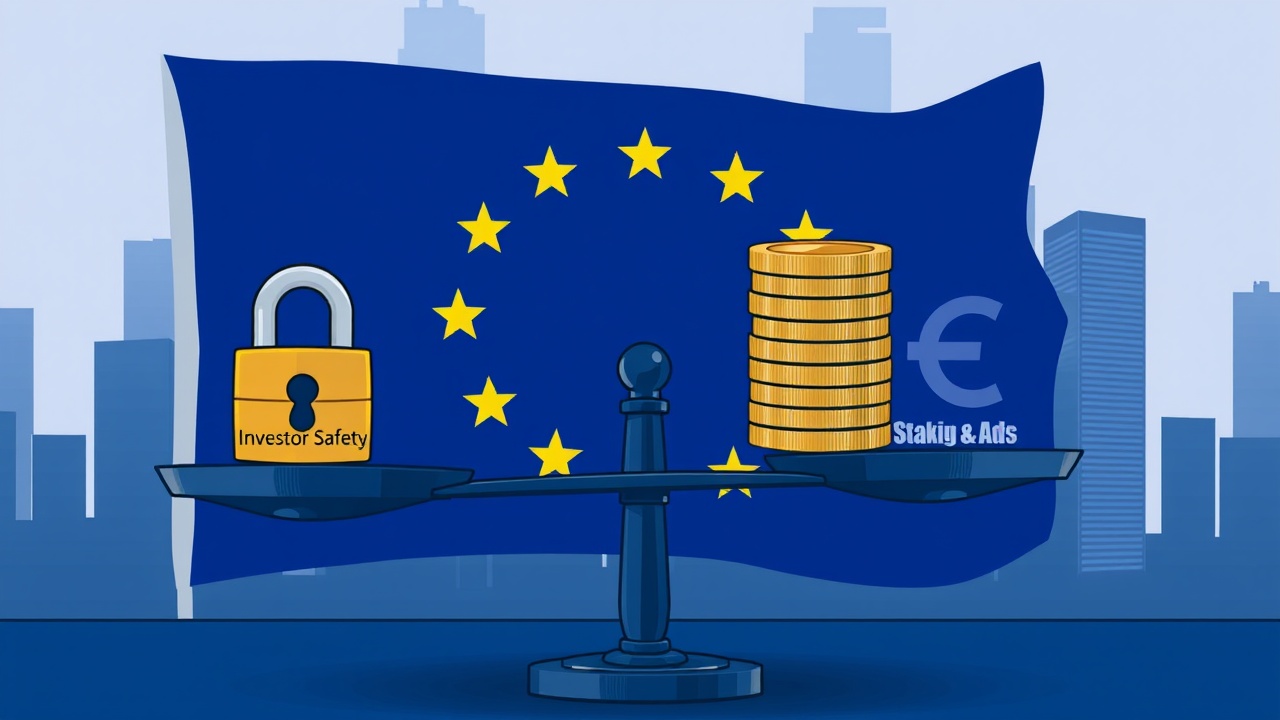
France's financial advisory committee calls for stricter EU crypto rules focusing on investor safety, staking services, and clearer advertisement regulations.
Introduction
In a bid to enhance consumer safeguards in the burgeoning cryptocurrency landscape, France's financial sector advisory committee has proposed more stringent regulations within the European Union on the promotion of digital assets, staking services, and investor data privacy. This initiative, which stems from recommendations finalized on November 10 and later made public by the Banque de France on November 17, arises from a review initiated by the French economy ministry earlier this year in April.
Key Areas for Consumer Protection
The Comité consultatif du secteur financier (CCSF) pinpointed six key areas for improving protections for consumers, addressing issues such as crypto lending, advertising, borrowing practices, access to foreign platforms, and measures to shield investors from criminal activities associated with digital assets. This review coincides with an increase in cryptocurrency ownership, highlighted by a 2026 study from industry group ADAN and Ipsos revealing that 11% of the French population owns crypto, and 93% are aware of its existence.
Concerns Over Staking and Lending Services
A major concern of the committee pertains to staking and lending services that enable users to gain rewards by providing their cryptocurrencies to these platforms. The CCSF cautioned that many consumers might mistakenly believe that a platform's regulatory endorsement extends to all financial products presented on its site, including those tied to decentralized finance (DeFi) protocols. Therefore, the committee has urged that intermediaries disclose the identity and regulatory status of the company behind each service offered to customers and clarify the protections in place.
Risk Communication and Transparency
For platforms like those facilitating crypto lending, the CCSF suggested that they should clearly communicate the risks involved, such as the potential for asset loss if a borrower defaults, how compensation mechanisms work, and customers' rights regarding fund withdrawals before the end of contractual terms. Likewise, disclosures regarding staking services should cover risks, including penalties imposed on validators, vulnerabilities of smart contracts, and hacking threats, ensuring that companies obtain express consent from customers before engaging their assets in staking activities.
Misleading Terminology and Marketing Practices
The committee also expressed concerns over terminology that misleads consumers, such as “savings accounts” for crypto products that lack the same protections as conventional bank deposits. When it comes to stablecoins, clearer disclosures about risks like depegging, exchange rate vulnerabilities, and the differences between redeeming tokens directly versus selling them on exchanges have been suggested.
Additionally, the CCSF advocated for stricter oversight of marketing practices directed at retail investors, with a particular emphasis on speculative cryptocurrencies. The recommendations encompass influencer promotions, social media advertisements, referral bonuses, and reward initiatives that could urge quick decision-making by investors, stressing the importance of transparent risk communication and equitable advertising without enforcing an outright ban on crypto promotions.
Regulatory Oversight and Security Measures
The committee also highlighted the need for more fortified rules on reverse solicitation, which allows customers to reach out to non-EU service providers not aggressively targeting them via marketing. They cautioned that businesses operating from outside the EU could exploit this loophole to engage with European clients while evading the regulatory frameworks applicable to approved providers.
Furthermore, calls were made for empowering the European Securities and Markets Authority to take action against unauthorized crypto services directed towards EU consumers. Another significant issue raised by French authorities is the physical security of cryptocurrency holders, as the committee flagged the dangers posed by shared personal information that could enable criminals to identify targets. Interior Minister Laurent Nuñez noted that France has seen a rise in crypto-related crimes, such as kidnappings, juxtaposing the 77 reported cases in 2026 with 45 the previous year.
Conclusion and Recommendations
Highlighting alarming incidents, such as a couple in Alès being forcibly restrained and demanded to transfer cryptocurrency while their child was present, and another home invasion targeting Bitcoin holders in Rion-des-Landes, the CCSF urged for stricter security measures at organizations handling sensitive personal data. Recommendations include improved employee access controls and vigilance in monitoring customer information.
Proceeding with its recommendations, the CCSF reaffirmed its earlier calls for transparency in transaction fees in both euros and percentages, the issuance of annual portfolio statements, as well as necessary disclosures related to unrealized capital gains, losses, and fiscal responsibilities associated with investments in cryptocurrencies.
Also in other languages: РусскийDeutschFrançaisItalianoEspañol