Warning from MARISKS
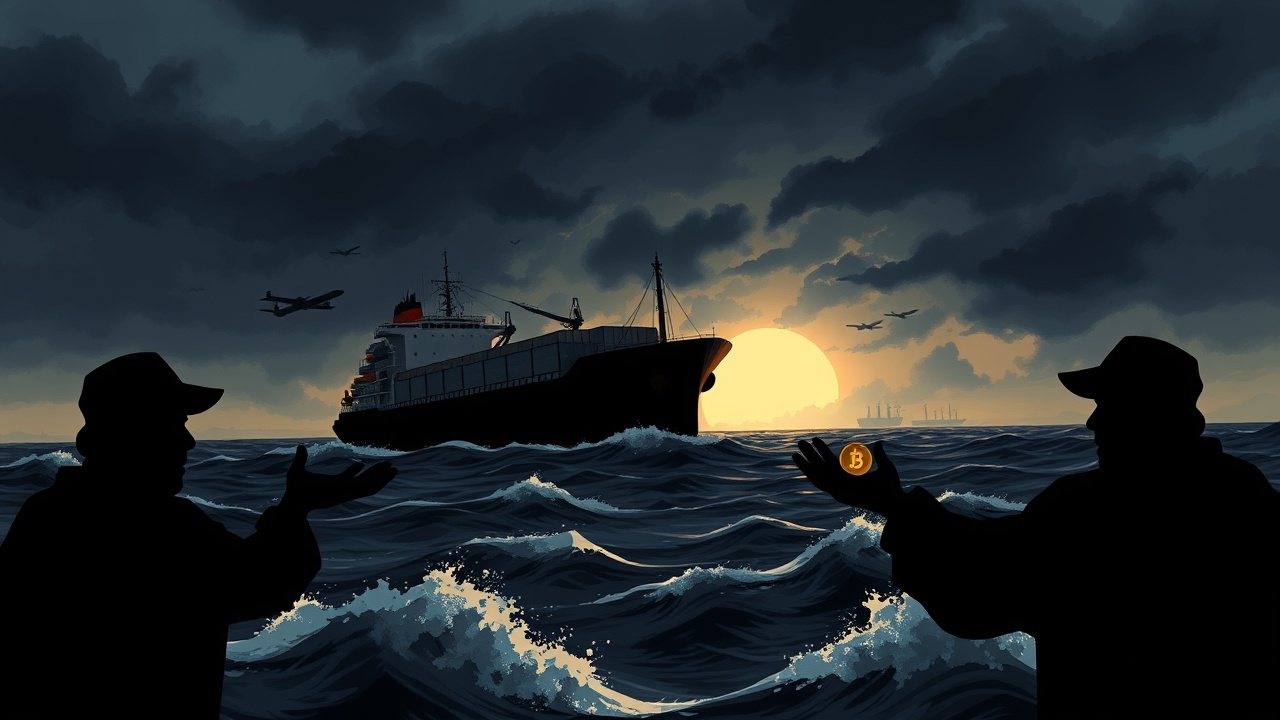
A Greek maritime risk consultancy, MARISKS, has issued a warning about an alarming rise in fraudulent communications targeting shipping companies operating in the Strait of Hormuz‘s vicinity. These deceptive messages are allegedly sent by unidentified actors masquerading as Iranian officials and demand cryptocurrency—specifically bitcoin or USDT—purportedly in exchange for facilitating the passage of vessels that are currently obstructed in the area.
Details of the Scam
In a distressing revelation, one of the fraudulent messages instructed shipping entities to submit their vessel documentation to Iranian security services in order to establish a transit fee payable in cryptocurrency. The sender promised that upon payment, the vessels would be allowed to “move unhindered at a previously designated time.” This scam emerges amidst existing tensions affecting maritime traffic through the vital waterway, which plays a crucial role in global oil and liquefied natural gas shipments.
Current Situation in the Strait of Hormuz
The Strait of Hormuz, which previously handled approximately 20% of the world’s oil and LNG transportation, is currently under significant strain due to numerous restrictions. The United States has maintained a blockade on Iranian ports for about a week, while Iran’s own intermittent closure of the strait adds to the complexity of the situation. As a result, hundreds of vessels and approximately 20,000 sailors are left stranded in the Gulf, elevating the risk of shipping companies falling prey to such fraudulent schemes.
Incidents and Concerns
According to MARISKS, at least one vessel that attempted to depart the strait on April 18 reportedly came under attack by Iranian boats, raising suspicions that it might have been impacted by the fraudulent communications. Although it remains unclear if any payments were made in response to these scams, there is considerable concern that the ship could have reacted to the illicit messages prior to the incident.
Diplomatic Context
The warning from MARISKS coincides with Iran’s recent suggestions to impose transit fees on vessels during ceasefire negotiations, with reports indicating Tehran is seeking up to $2 million per tanker, allowing payment via cryptocurrencies. Specifically, Hamid Hosseini, a representative from Iran’s Oil, Gas and Petrochemical Products Exporters’ Union, noted the toll had reached around $1 per barrel of oil.
As the diplomatic landscape remains tenuous, U.S. President Donald Trump has stated that the blockade on Iranian ports will remain intact until a deal materializes. Given that the current U.S.-Iranian ceasefire is set to expire on April 23, uncertainties loom over the potential for a second round of peace talks scheduled in Pakistan, leaving shipping firms to navigate an environment rife with security threats and fraudulent risks.