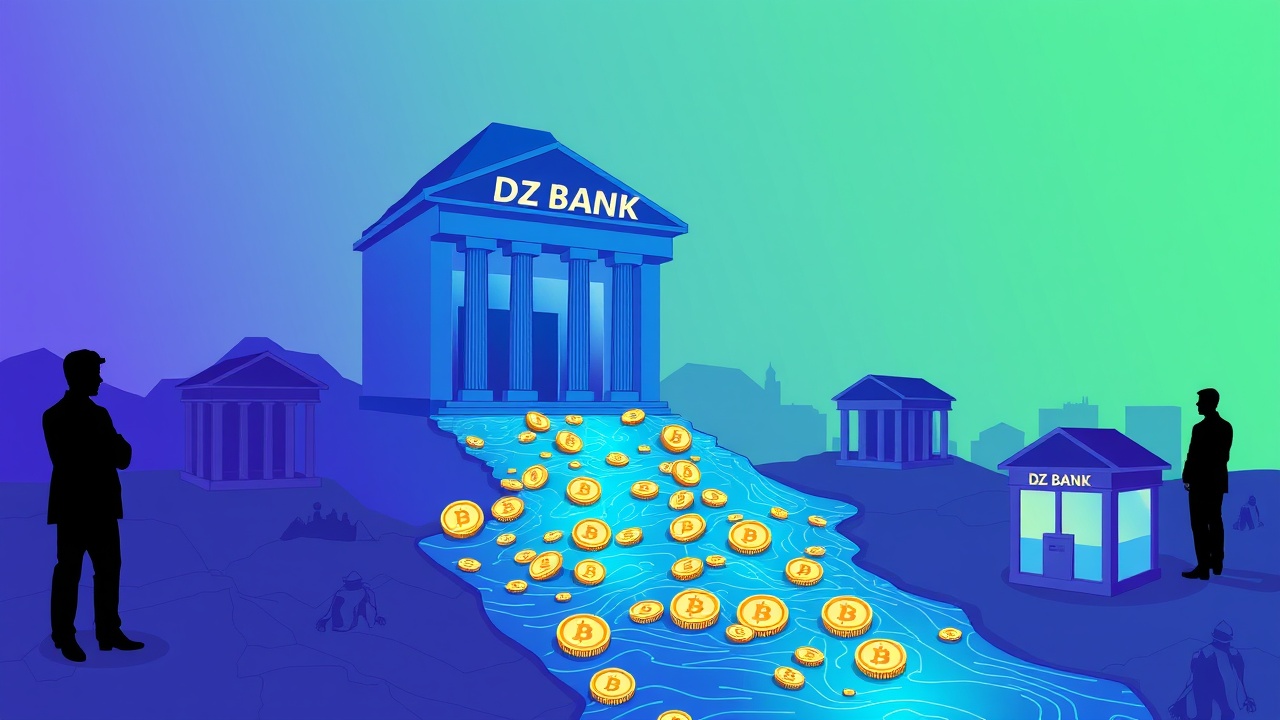
Germany’s Evolving Banking Landscape
Germany’s landscape of banking is evolving as cooperative banks begin to offer cryptocurrency trading services via DZ Bank. This initiative comes as a significant development for retail customers across the nation, allowing them to engage in buying and selling digital currencies like Bitcoin, Ethereum, Litecoin, and Cardano through their current banking setups instead of relying on external crypto exchanges, as detailed by a report from Bloomberg.
Shift in Banking Attitudes
Historically, the German banking system has been cautious about embracing digital assets due to concerns surrounding market instability and the protection of investors. However, the tide is turning, and cooperative banks are now integrating cryptocurrency offerings within their existing financial services. Each bank within the cooperative network will independently determine whether to participate in this new service.
DZ Bank has indicated to Bloomberg that there has been robust interest among its member banks, predicting that hundreds will likely adopt cryptocurrency trading capabilities in the near future. While involvement in this service is not mandatory for all cooperative banks, the substantial interest could lead to widespread availability of cryptocurrency trading options throughout Germany’s cooperative banking framework.
Parallel Initiatives and Consumer Trust
In a parallel initiative, DekaBank is also developing a similar cryptocurrency trading platform specifically for Germany’s savings banks, with rollout plans for later this year. This development will take place in stages based on individual savings banks’ decisions to join the initiative.
Proponents of this banking-led model argue it may foster greater trust among consumers, who might feel more secure investing in digital assets through established financial institutions they are already familiar with. According to Bloomberg, survey results indicate that German consumers have more confidence in their primary banks than in specialized cryptocurrency trading platforms. Additionally, banks recognize the potential to attract a younger demographic, who increasingly expect the convenience of investment products integrated into their digital banking experiences.
Risks and Regulatory Considerations
Despite the promising outlook for cryptocurrency trading through banking entities, experts and industry critics caution against the inherent risks tied to digital assets. Academics and banking groups have voiced concerns that cryptocurrencies are speculative and may lead to significant financial losses for investors. The association representing Germany’s savings banks has stressed that trading in digital assets is intended for self-directed customers who comprehend the risks and are equipped to make independent investment decisions without professional guidance.
Taxation Changes on the Horizon
This shift in banking also coincides with Germany’s contemplation of modifications to the taxation system for digital assets. Finance Minister Lars Klingbeil announced during the 2027 federal budget presentation that the government is considering a new tax framework for cryptocurrencies aimed at increasing revenue by approximately €2 billion ($2.3 billion) while enhancing efforts to combat financial and tax fraud. Currently, profit from cryptocurrency sales is taxed if assets are sold within a year of acquisition, while those held for over 12 months generally escape capital gains tax, a policy that has long made Germany an attractive option for long-term cryptocurrency investors.