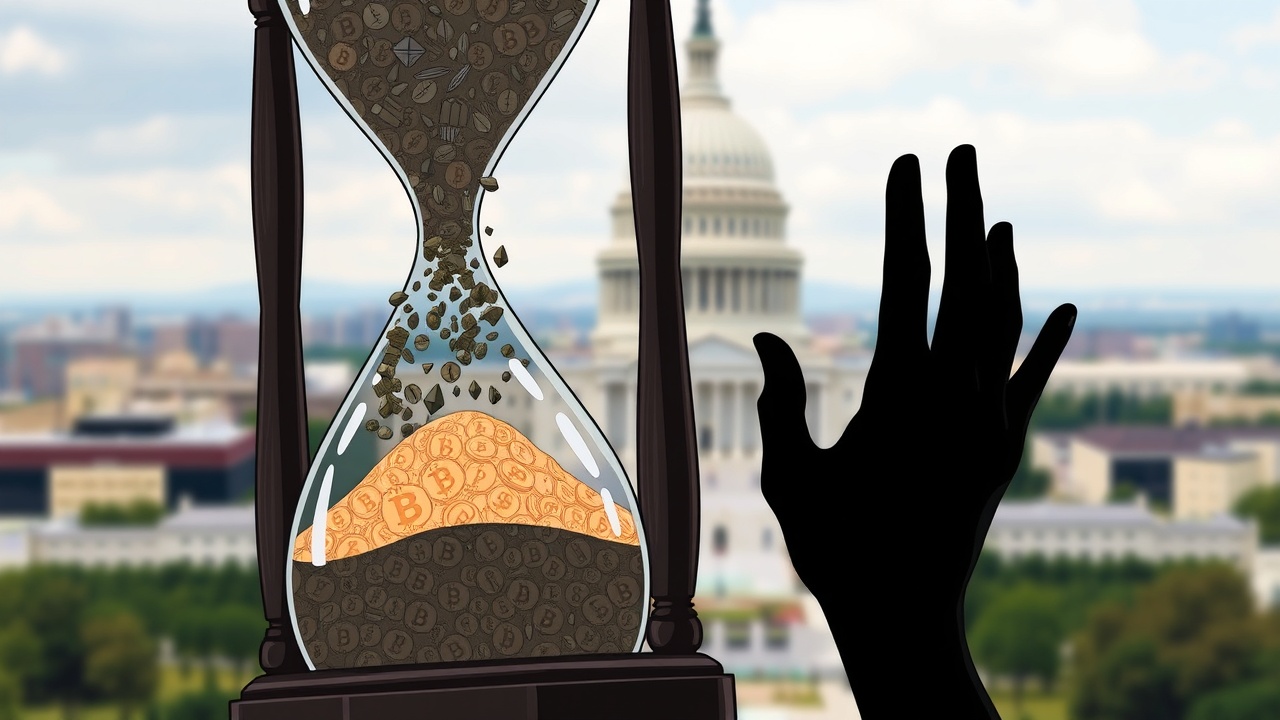
Impact of Hester Peirce’s Resignation on the SEC
Hester Peirce’s upcoming resignation from her post at the Securities and Exchange Commission (SEC) on October 2 is poised to impact the commission’s ongoing responsibilities, particularly concerning a significant proposal related to cryptocurrency offerings. With the deadline for public feedback on the controversial Regulation Crypto Assets set for October 20, her departure raises crucial questions about the future direction of the SEC, which can function with just two commissioners.
Current Leadership and Challenges
Chair Paul Atkins and Commissioner Mark Uyeda remain, but without a third commissioner, the ability to finalize decisions following the public comment period could be challenging. Peirce, who has contributed significantly to the SEC’s engagement with digital assets, is anticipated to leave as the chief officer of the agency’s Crypto Task Force—leaving Atkins and Uyeda to navigate the regulatory landscape alone.
This leadership transition occurs during a pivotal moment, as the commission waits to hear from the public on the proposed rule changes, which include two specific exemptions for offering amounts in crypto investments: one permitting raises of up to $5 million over four years, and another allowing for $75 million in a 12-month span.
Public Comment Phase and Future Consensus
The SEC requires a public comment phase to finalize its rules, with responses weighing heavily on the regulatory framework. Following Peirce’s exit, a lingering concern persists: can Atkins and Uyeda reach a consensus on any revisions to the rule after considering public input? The SEC’s existing quorum rules permit a functioning commission with fewer than three voting members, a provision upheld by the courts nearly three decades ago, allowing these two officials to make decisions even if they disagree.
Peirce’s Advocacy and the SEC’s Direction
Peirce has been a vocal advocate for crypto regulation, pushing for clarity and a supportive framework for crypto ventures, which she believes should be able to develop in a regulated environment without undue burdensome requirements. As the SEC continues to grapple with its crypto regulations, her departure strips away one influential voice in shaping those policies, adding uncertainty for the commission’s future direction in this rapidly evolving sector.
Operational Continuity and Potential Gridlock
Despite Peirce’s exit, the SEC’s machinery continues to operate. Both Atkins and Uyeda have publicly endorsed the cryptocurrency offerings proposal, indicating alignment on advancing regulatory measures. However, establishing a final rule in an environment where only two can vote introduces a potential for gridlock if opinions diverge on any key issues that arise from public commentary.
Future of Regulation and Leadership Transition
Moreover, while the SEC’s proposed Regulation Crypto Assets aims to balance innovative market growth with investor protections, it is essential to understand that the process does not end once comments are in; issued remarks from the public may lead to substantial revisions and thus a prolonged timeline for finalization. The gap between Peirce’s departure and the comment deadline could reveal critical insights into the agency’s decision-making dynamics moving forward.
Peirce’s resignation also disturbs the current equilibrium within the SEC. Her tenure at the agency since 2018 has been marked by her push for experimentation and allowance for new financial technologies. The SEC’s public task force, active and designed to address the unique challenges of the digital asset landscape, still lists her as its leader currently, highlighting the need for clarity on future leadership as this fundamental shift occurs.
While future developments regarding crypto regulation lie in the hands of a diminished leadership team, the SEC must adapt. As the commission awaits public feedback and prepares to deliberate, Peirce’s insights and advocacy will be sorely missed, but the urgency of finalizing regulations in the face of a growing market remains paramount—fostering hopes that the remaining commissioners will solidify a framework that effectively balances innovation with essential oversight.