Examining Cryptocurrencies and International Relations
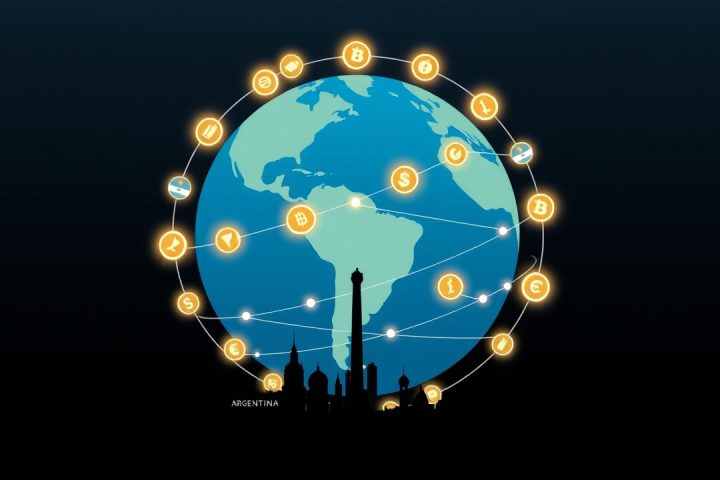
In a significant step towards understanding the intersection of digital finance and international relations, members of the U.S. House of Representatives are set to examine how cryptocurrencies might serve as a lifeline for individuals living under oppressive regimes or in failing economies. Scheduled for June 25, a roundtable hosted by the House Oversight and Government Reform Subcommittee on Military and Foreign Affairs will address the implications of digital assets like cryptocurrencies on national security.
Roundtable Discussion Details
Chairman William Timmons (R-SC) will convene the discussion in Washington, focusing on the potential of decentralized financial systems to enhance access to funds and services for those under authoritarian governance. The session is titled “Two Sides of a Digital Coin: Protecting U.S. Security by Challenging the Power of Repressive Foreign Regimes,” and will be publicly accessible through live streaming.
Implications for Authoritarian Regimes
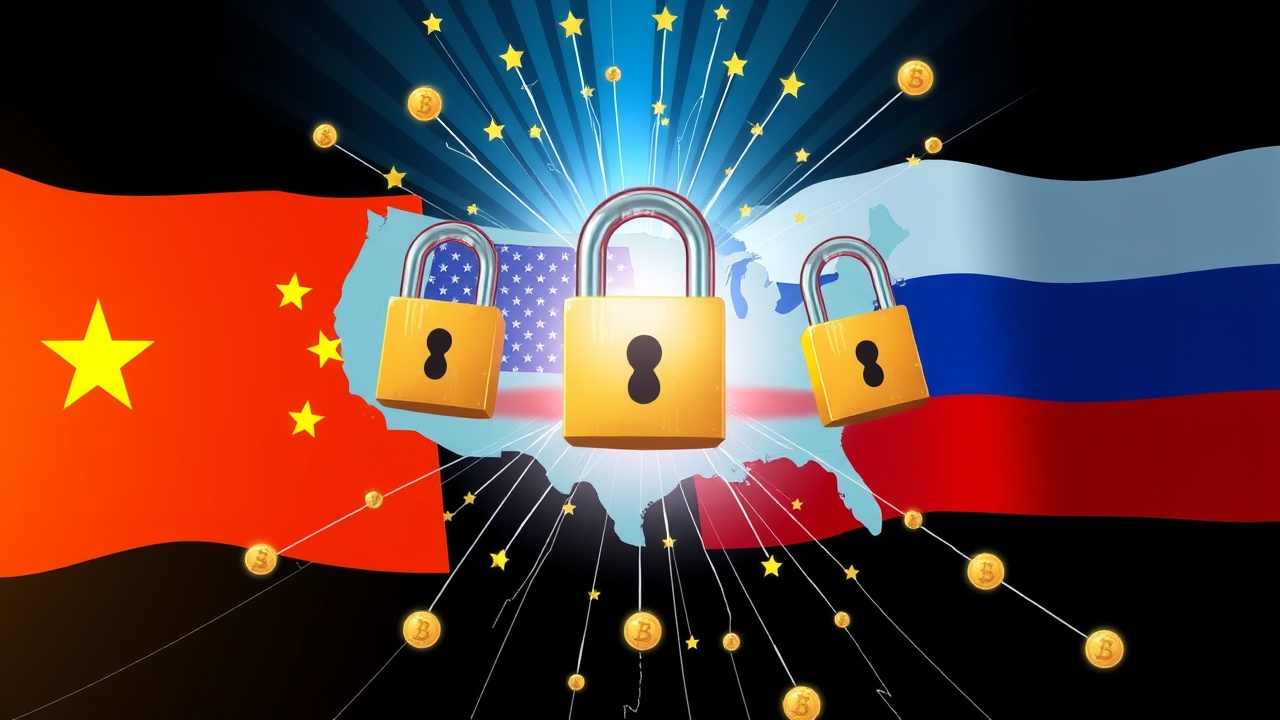
The inquiry aims to illuminate how digital currencies can present alternatives when state-controlled financial systems impose restrictions or serve as means of tracking and regimentation. As authoritarian governments in nations like Russia and China increasingly utilize financial instruments for surveillance and repression, U.S. lawmakers and industry experts will debate strategies that ensure financial autonomy and support individuals in these challenging circumstances.
Participants and Goals
Participants in the roundtable will include notable figures such as Dustin Palmer from Anchorage Digital Bank, Jorge Jraissati of the Economic Inclusion Group, and Cody Carbone, CEO of The Digital Chamber. The aim is to explore the role of U.S. leadership in bypassing the economic constraints imposed by authoritarian regimes and its implications for foreign policy and economic competitiveness.
Chairman Timmons highlighted the necessity of the discussion, stating, “We need to assess how digital assets can empower people facing repression and provide them with greater control over their economic futures.”
Taxation of Digital Currencies
Additionally, recent deliberations by House tax committees have also ventured into the complexities surrounding the taxation of digital currencies, with lawmakers seeking clearer guidelines for crypto-related financial activities, including payments, mining, and donations. These discussions form an integral part of the broader dialogue on how to navigate the emerging landscape of digital finance while addressing security risks associated with its use under oppressive governments.