Investigations into Stolen Cryptocurrency
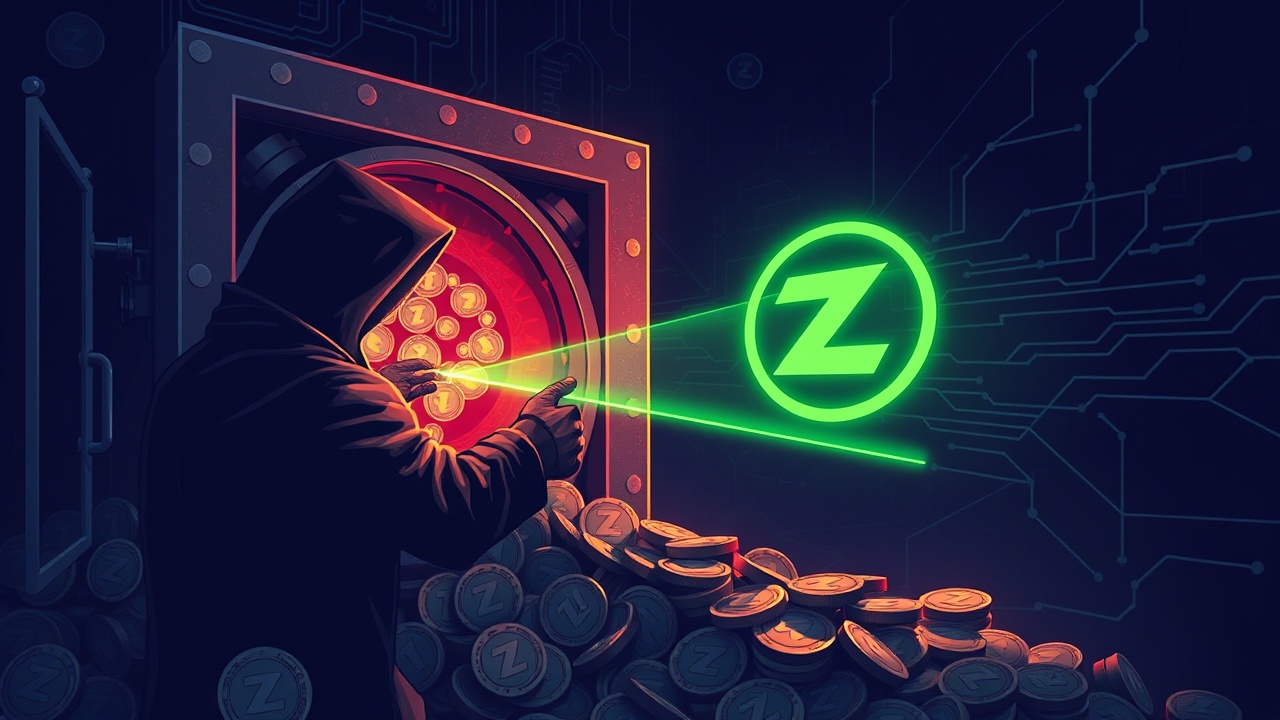
Recent investigations into on-chain activities are revealing movements of suspected stolen cryptocurrency into the privacy-centric Zcash (ZEC), linked to several high-profile security breaches involving Bitget, Cryptobills Ledger, and Triple-A. In a detailed analysis published on October 17, blockchain researcher known as Specter noted that funds from these three incidents have infiltrated Zcash, echoing prior alerts from fellow analyst ZachXBT regarding funds associated with Bitget.
Details of the Breaches
Bitget’s security breach in September, initially pegged at approximately $387.5 million, has fueled these latest allegations. This figure reflects a comprehensive assessment of lost assets across multiple blockchain platforms but does not directly correlate to amounts transacted into Zcash. Specter’s analysis points to a coordinated effort by various suspected perpetrators who have utilized Zcash’s privacy features to obscure the origins of their funds. This includes elements from the case involving Cryptobills Ledger, noted for approximately $12 million in stolen cryptocurrency, as well as the Triple-A exploit.
Challenges in Tracking Transactions
Despite the mention of these transfers, Specter did not disclose the total value attributed to the transactions from Cryptobills Ledger or the Triple-A incident, nor did the report clarify if the same wallet addresses were used by the attackers. The nature of Zcash allows for the anonymity of transactions, presenting a challenge for investigators to trace the final destinations of funds after they are funneled into its shielded pools.
Zcash, leveraging its privacy technology since the Ironwood upgrade on July 28, 2026, enables users to secure their transaction details from external observation. However, key elements highlighted by the investigation indicate that while certain movements into Zcash can be detected, extensive tracking of the funds post-deposit remains elusive.
Previous Reports and Ongoing Tracking
Previously, ZachXBT had reported significant losses from Bitget’s compromised hot wallet, identifying approximately 2,700 ZEC (around $3.8 million) that had been transferred into Zcash’s Ironwood shielded pool. The incident, which occurred on September 24, involved unauthorized withdrawals impacting various digital assets, prompting an extensive review by Bitget that updated loss figures over time.
The ongoing tracking of stolen assets by independent firms has spotlighted a broader industry issue—where compromised funds are rerouted through multiple transactions to mask their origins. After the Bitget incident, cyber tracking firms have traced movements involving Bitcoin and Ethereum entering more clandestine transaction types designed to obfuscate fund trails.
Bitget’s Recovery Initiative
In the wake of the September breach, Bitget launched a recovery initiative offering financial incentives for assistance in recovering stolen cryptocurrency, stressing its commitment to user security while ensuring that accounts remained unaffected. Despite these incidents, the Bitget exchange has managed to uphold a reserve ratio of 131% across its covered assets, illustrating a range of recovery measures post-breach.
Conclusion
This narrative underscores a critical trend in cryptocurrency security and the ongoing cat-and-mouse game between investigators and malicious entities, particularly in the context of how privacy features in networks like Zcash can be exploited by criminals. As scrutiny intensifies, the puzzle of tracking illicit transfers remains complex and challenging, with firms like Bitget continuing to work closely with blockchain analysts and security entities to mitigate further losses and enhance tracing capabilities.