Overview of Iran’s Maritime Traffic Initiative
Iran is exploring a novel system for overseeing maritime traffic in the Strait of Hormuz, focusing on an insurance-based framework that may redefine how shipping operates during ongoing hostilities. This initiative comes amid significant disruptions to commercial shipping in the area, crucial for global oil transport, where around 20% of oil trade typically passes through.
Details of the Proposal
Reports indicate that the Iranian Ministry of Economic Affairs envisions an organized system based on marine transit insurance and financial responsibility certificates, which could potentially yield over $10 billion in revenue for the government.
According to the Iranian state-affiliated Fars News Agency, which claims to have accessed a government document detailing this proposal, the move is part of Iran’s strategy amid mounting tensions with the United States.
Since U.S. airstrikes began targeting Iran in late February, there has been a notable decrease in maritime activity through this vital waterway.
Cryptocurrency Considerations
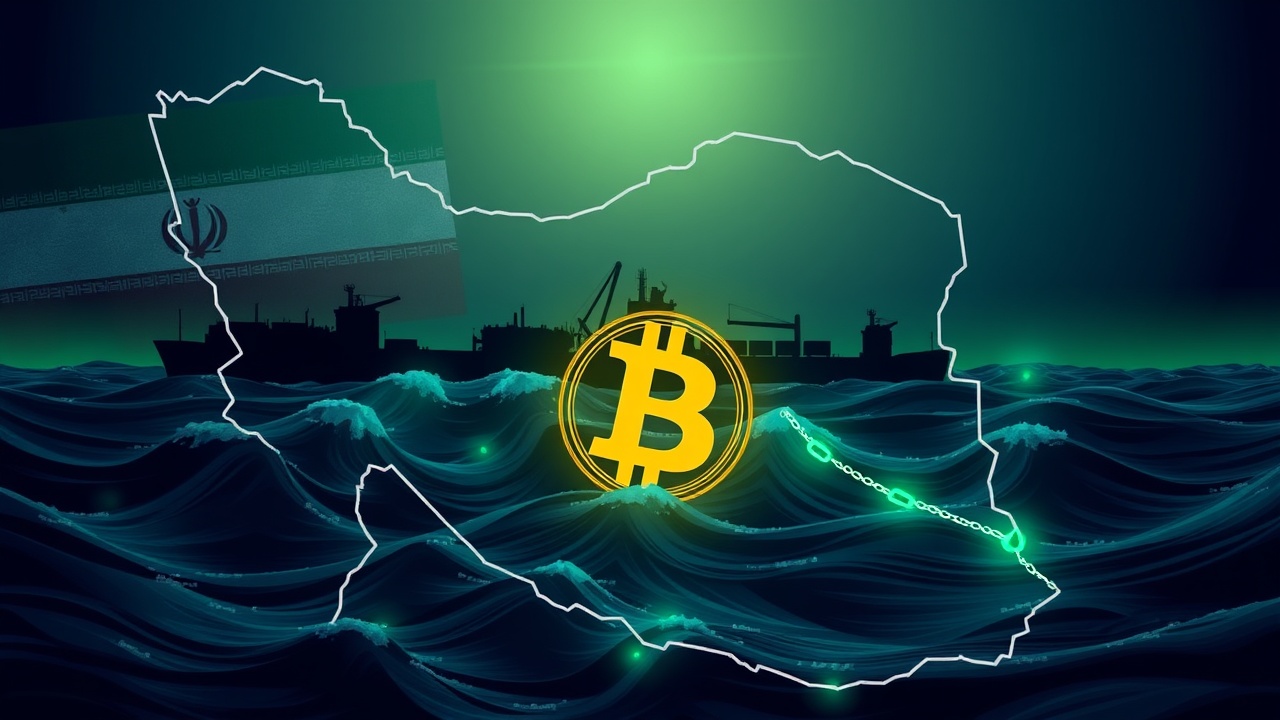
Adding to the complexity, the Financial Times has reported that Iran is considering allowing tankers to pay their transit fees in cryptocurrency, specifically citing negotiations that began around a fee of $1 per barrel of crude oil. Meanwhile, speculation surrounding a website named “Hormuz Safe” has arisen, which purportedly offers “Secure Digital Insurance for Maritime Cargo.” Some reports suggest this platform might play a role in Iran’s plans to process insurance payments via Bitcoin, though access to the website was unavailable at the time of this writing, and there has been no official acknowledgment of such operations from Iranian officials.
In a separate report, Fars News disputed earlier allegations suggesting that Iran was already accepting cryptocurrency for toll payments through the Strait. The outlet labeled these claims as “inaccurate,” despite circulating narratives in the cryptocurrency community.
Fraudulent Schemes and Maritime Safety
At the same time, maritime analysts from the firm MARISKS alerted about the proliferation of fraudulent schemes targeting shipowners, with scammers impersonating Iranian authorities and attempting to extort payments in Bitcoin or Tether for permissions to navigate the strait. It was highlighted that these messages were not legitimate and originated from unofficial sources, with at least one vessel reportedly facing danger after falling victim to such scams.
Revenue Collection and Compliance Challenges
Media reports have previously hinted that Iran had begun collecting revenue from wartime shipping tolls, although this development is contested. Historically, no formal toll structure existed for vessels traversing the Strait.
The dialogue about cryptocurrency payments has gained momentum, particularly following the U.S. authorities’ recent seizure of $344 million in Tether USDt linked to Iran. Analysts have observed Iran’s preference for dollar-backed stablecoins, especially USDT on Tron, for circumventing traditional banking systems. They also caution that any adoption of a crypto-based toll system in Hormuz could pose compliance challenges for virtual asset service providers dealing with sanctioned entities.
Industry experts suggest that Bitcoin’s decentralized nature could be appealing to nations facing sanctions, as it allows for transactions without intermediaries capable of freezing assets. Moreover, an Iranian official indicated that vessels might continue to operate in the strait if they agree to pay the proposed tariff in Bitcoin, with funds expected to be processed rapidly to mitigate the risk of detection and seizure by sanctions authorities.