Introduction
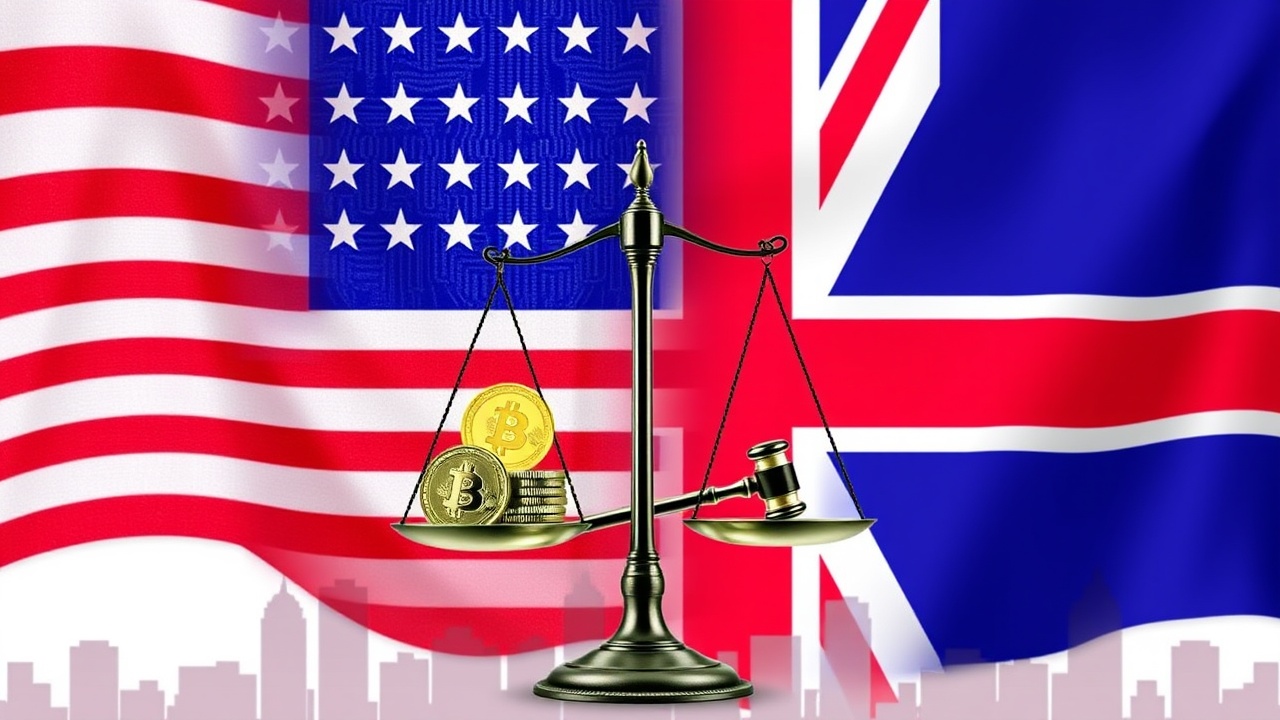
In a significant initiative announced on July 14, 2025, the United States and United Kingdom have revealed ten strategic recommendations aimed at navigating the complexities surrounding stablecoins, tokenized securities, and international financial transactions. However, it’s essential to note that these proposals do not constitute enforceable regulations and are instead guidelines for collaborative efforts between the two nations, which host some of the most influential financial markets globally.
Background
This action stems from the Transatlantic Taskforce for Markets of the Future, established by U.S. Treasury Secretary Scott Bessent and UK Chancellor Rachel Reeves. Comprising high-ranking officials from various financial regulatory bodies, including the U.S. Securities and Exchange Commission (SEC) and the Bank of England, the task force seeks to harmonize responses to the challenges posed by digital financial assets, which frequently operate outside traditional regulatory boundaries.
Key Recommendations
Five of the highlighted recommendations specifically focus on digital assets, while the remainder address issues like capital raising, requirements for foreign issuers, market data consolidation, oversight of swap trading, and international accounting standards. Frank Hepworth, CEO of New Market Trading, emphasized the necessity of this cooperation, stating that the conflicting nature of global digital markets versus national regulatory frameworks poses challenges for countries vying for leadership in financial innovation.
Private-Sector Initiatives
One of the primary proposals suggests the formation of a private-sector group to spearhead investigations into tokenized finance. This initiative is aimed at testing cross-border transactions and sharing best practices with public sector authorities over a year-long period. Moreover, the task force members—entities like the SEC, CFTC, FCA, and the Bank of England—will evaluate how different regulations apply to tokenized assets, potentially affecting how stablecoins and tokenized money market funds could be treated as collateral in central clearinghouses.
Current Developments
Exciting developments have already unfolded, as the UK is moving forward with its first blockchain-based sovereign bond, utilizing HSBC’s Orion platform set to launch by early 2027. Concurrently, U.S. regulators are deliberating on matters regarding ownership and rights for tokenized stocks, with some projects experiencing delays due to concerns raised by exchanges about issuing blockchain-based representations of public shares.
Future Considerations
Hepworth warned that failing to embrace digital asset technology could leave both nations at a disadvantage compared to those jurisdictions that are more open to innovation. He highlighted that the task force reflects a conscious effort to modernize financial regulation, ensuring that the competitive edge of London and New York is maintained while adapting to the realities of the digital finance landscape.
Joint Statement on Stablecoins
Accompanying these recommendations is the UK-US Joint Statement on Stablecoins, which outlines a framework for stablecoins that are regulated in one country to be utilized in the other, provided that financial stability and consumer protections are upheld. However, the practicalities of implementing such a mutual access system remain unresolved, as regulators must clarify the criteria for overseas issuers and coordinate supervisory responsibilities.
Regulatory Framework
Hepworth was clear that while these ten recommendations signal a shared vision, they do not create binding legal frameworks or rights. Regulatory powers remain strictly in the hands of domestic institutions, meaning companies wishing to engage with customers in either jurisdiction must adhere to existing local laws. For U.S. entities, this also involves the provisions outlined in the GENIUS Act, which seeks to establish a regulatory framework for payment stablecoins.
In the UK, the Financial Conduct Authority (FCA) will oversee most stablecoin issuers, while the Bank of England will focus on systemic stablecoins; their frameworks are expected to evolve with industry feedback until finalized by the end of 2026.
Conclusion
Hepworth concluded by underscoring that both countries are now working together to ensure that as digital markets evolve, regulations will adapt accordingly, maintaining the balance between innovation and financial oversight.