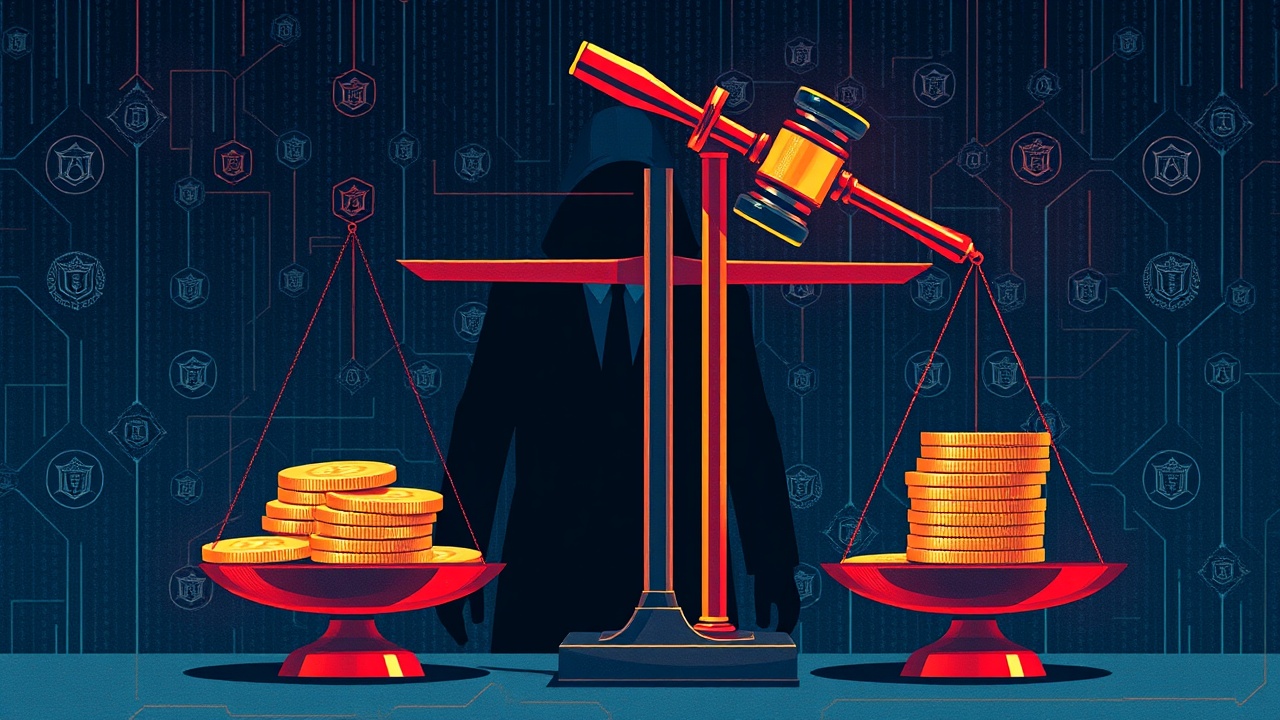
Crackdown on Money Laundering
A significant crackdown on money laundering linked to drug trafficking has resulted in the guilty plea of Carlos Érick Vázquez González, a Mexican citizen associated with the Cartel Jalisco Nueva Generación (CJNG). On Friday, the U.S. Department of Justice (DOJ) announced that Vázquez González, who was extradited from Mexico last October, admitted to his role in laundering proceeds from the drug trade utilizing cryptocurrency.
Role in Money Laundering Operations
According to DOJ officials, Vázquez González acted as a crucial middleman for various money brokers. His operations involved the receipt of about $4 million from these brokers, which he stored in a cryptocurrency wallet. His primary function was to transfer these funds to facilitate the laundering process, converting cryptocurrencies into cash in Mexico and subsequently delivering it back across the border to the brokers involved.
Ties to CJNG and Potential Sentencing
The DOJ’s press release did not specify which organization was responsible for these transactions; however, it is widely believed that Vázquez González had substantial ties to CJNG, an organization notorious for its involvement in drug trafficking and led by Nemesio Rubén Oseguera Cervantes, also known as “El Mencho”, who was recently killed in a law enforcement operation.
In exchange for his services in this intricate scheme, Vázquez González reportedly earned a commission of $40,000. Following his guilty plea, he faces a potential prison sentence of up to 20 years, with his sentencing scheduled for December 17.
Broader Initiative Against Criminal Organizations
This case forms a part of a broader initiative by the DOJ, spearheaded under President Trump’s Executive Order focusing on combating criminal cartels and transnational organizations. The issues surrounding the intersection of cryptocurrency and narcotics trafficking have drawn increased scrutiny from U.S. regulators. Previously, in May, the Office of Foreign Assets Control (OFAC) imposed penalties on individuals and firms engaged in similar illicit financial operations connected to the Sinaloa Cartel. Then in July, the DEA made headlines by confiscating $10 million worth of cryptocurrency associated with Sinaloa’s narcotics operations, further emphasizing the emerging threat of digital currencies in organized crime activities.