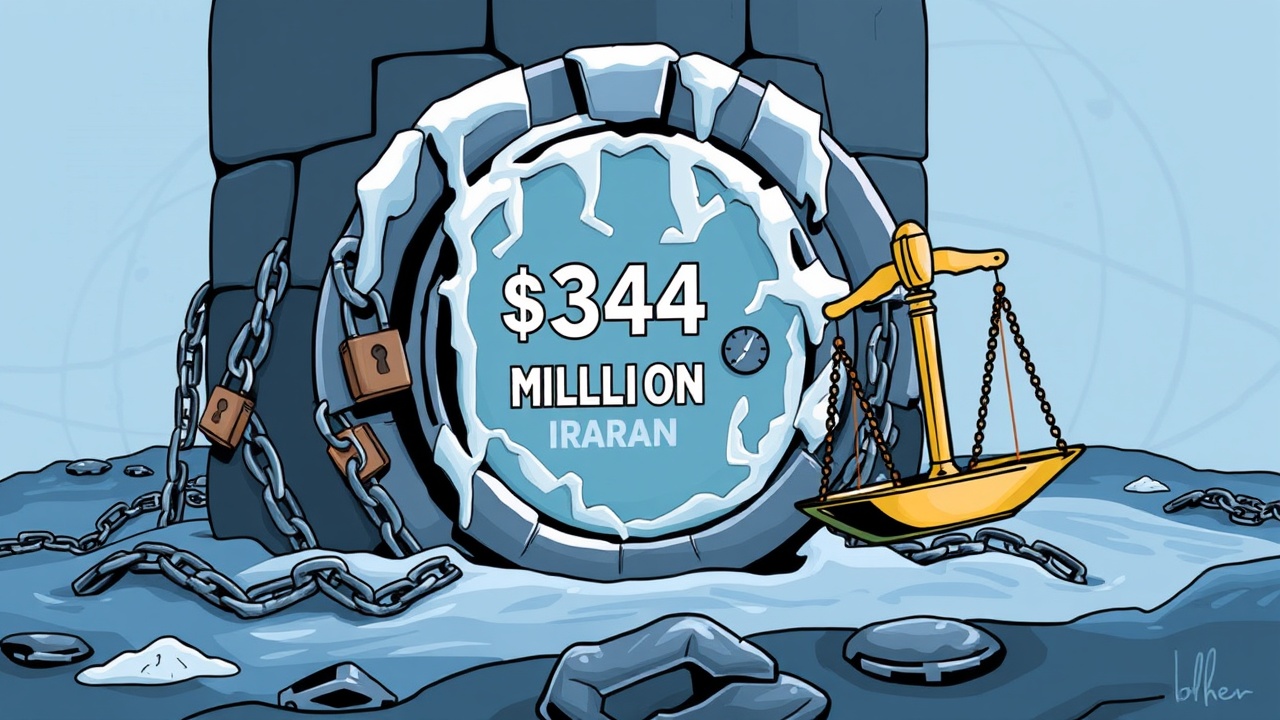
Legal Action Against Tether
In a significant legal move, attorney Charles Gerstein has initiated a lawsuit in the federal court in Manhattan, targeting Tether with a demand for the release of approximately $344 million worth of USDT, which has been frozen at two specific Tron wallet addresses identified by the Office of Foreign Assets Control (OFAC) as associated with Iran’s Islamic Revolutionary Guard Corps (IRGC).
Background of the Lawsuit
The plaintiffs, holding substantial unpaid U.S. court judgments linked to terrorism by Iranian entities, are urging the Southern District of New York to instruct Tether to deplete the value in these blocked wallets and issue an equivalent amount of USDT to another wallet managed by their legal team. This lawsuit builds on Gerstein’s previous efforts related to funds frozen in a case linked to North Korea and additional claims against Railgun DAO.
Implications for Tether
This case poses a potential challenge for Tether, as acceptance of this legal interpretation could signal vulnerabilities in the company’s ability to manage assets under sanctions, with repercussions in various jurisdictions where litigants possess unresolved terrorism-related judgments.
Legal Mechanism Under Scrutiny
The legal mechanism under scrutiny revolves around Tether’s functions compared to cryptocurrencies like bitcoin or ether. Tether is equipped with unique administrative controls that enable it to freeze wallets, blacklist addresses, eliminate balances, and reissue tokens to new addresses. The plaintiffs assert that Tether has previously exercised its authority to immobilize these funds due to OFAC’s sanctions, demonstrating that the company has both the means and inclination to take action regarding these assets.
Events Leading to the Lawsuit
The series of events leading up to this lawsuit include the OFAC designation of the wallets as properties owned by the IRGC and Tether’s subsequent freezing of the 344,149,759 USDT. The plaintiffs emphasize that their request does not involve the seizure of Tether’s reserves but instead seeks a court mandate for Tether to apply its existing controls to relocate funds in support of judgment creditors, rather than leaving them in an unallocated state.
Potential Precedent
This legal endeavor is constructing a precedent that suggests that holding administrative control over an asset is akin to possessing it and therefore incurs liability to judgment creditors under applicable federal law. It’s important to note that Tether has already acted on freezing over $4.2 billion in USDT linked to illegal activities and has collaborated with the Department of Justice (DOJ) on confiscation efforts involving over $6 million tied to fraud operations in Southeast Asia, which supports the argument that Tether can execute these maneuverings effectively.