MyTrade Operator Fined for Market Manipulation
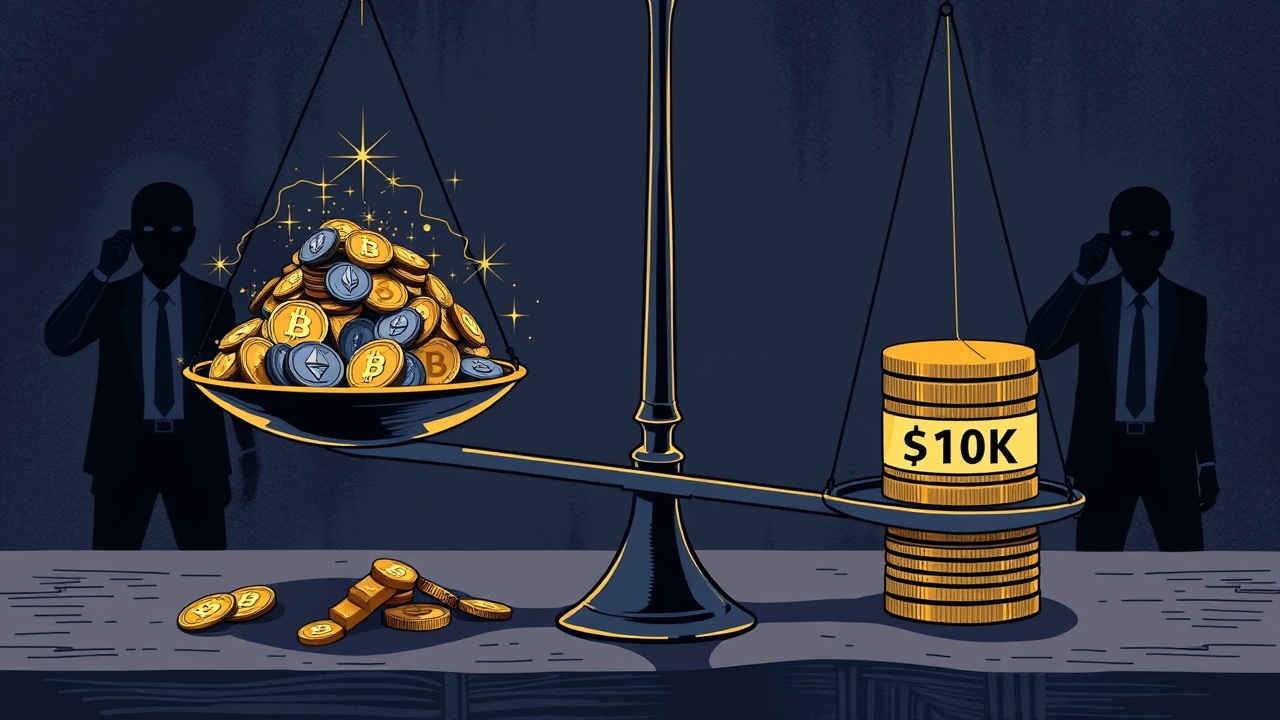
Liu Zhou, the operator behind the crypto trading platform MyTrade, has been ordered by a federal court in Boston to pay a fine of $10,000 after he confessed to being involved in a scheme that manipulated market trades through automated bots. Zhou, a 41-year-old Canadian national with Chinese roots, faced allegations of engaging in wash trading—a practice that creates a false illusion of high trading volume—alongside 17 other alleged accomplices, a case brought forth by federal prosecutors in October 2024.
Details of the Case
U.S. District Judge Angel Kelley presided over the case, where Zhou pleaded guilty to charges related to conspiracy and wire fraud as part of this market-manipulation conspiracy. MyTrade offered its services through the MyTrade MM platform, featuring a tool called “Volume Support”, which aimed to artificially increase trading activity for various cryptocurrencies at the behest of clients seeking to boost perceived interest.
The methodology employed by Zhou’s firm involved automated bots carrying out simultaneous buy and sell transactions of the same cryptocurrencies, which misrepresented the genuine trading interest in the markets. U.S. authorities unveiled this operation through an undercover initiative, introducing NexFundAI—an artificial crypto entity used to identify market-makers potentially engaged in deceptive practices. During discussions with individuals posing as project promoters for NexFundAI, Zhou reportedly detailed the mechanics of MyTrade’s operations, including the execution of self-trades and the capacity for engaging in “pump and dump” strategies, essentially admitting that their goal was to lure in genuine investors only to lead them to financial losses for profit.
Consequences and Regulatory Actions
By October 1, 2024, MyTrade was still providing its controversial Volume Support service. Following Zhou’s admission of guilt, MyTrade agreed to cease offering this service permanently and deactivate the bots responsible for generating deceptive trading activity. Prosecutors disclosed that these bots contributed to millions of dollars in wash trades involving around 60 different cryptocurrencies. As part of the sanctions, MyTrade is also required to publish a notice on its website clarifying the illegal nature of its previous activities and labeling Volume Support as a form of wash trading under U.S. law.
Broader Implications
This case underscores an expanding crackdown by U.S. regulators on fraudulent activities within the cryptocurrency space. In a related context, former U.S. Representative George Santos faced scrutiny earlier in July, settling another case regarding misleading trades linked to the prediction market Kalshi and agreeing to penalties totaling nearly $35,000, plus a trading ban.
The trend of increasing market-manipulation investigations extends beyond American shores, with South Korean authorities investigating multiple events of suspected unfair trading under a new consumer protection act. This highlights the global nature of regulatory scrutiny in the rapidly evolving world of digital assets and the ongoing efforts to ensure that deceptive trading practices are addressed in all markets.