Navigating Bitcoin Withdrawals After hBTC Loans on Sui: What You Need to Know
Learn about the complexities of repaying Bitcoin-backed loans on the Sui network, including withdrawal processes and limitations from Hashi.
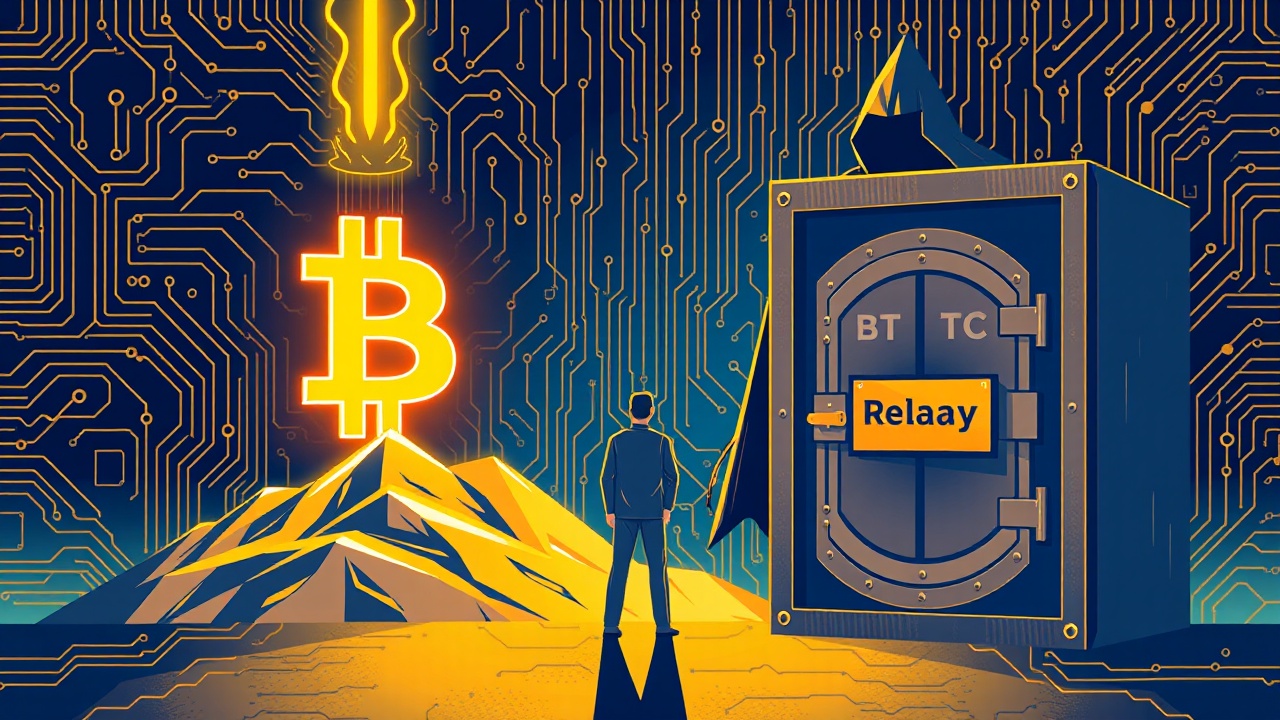
Fluid Expands Offerings with hBTC Lending Markets
Fluid, a lending protocol, has recently expanded its offerings to include hBTC lending markets, allowing users to engage with Bitcoin in a decentralized manner. Following its launch announcement on November 20, Fluid allows users to deposit Bitcoin with Hashi, a protocol responsible for issuing hBTC tokens on the Sui network. This system enables Bitcoin holders to obtain hBTC and, in turn, borrow USDC, the first stablecoin available in this ecosystem.
Borrowing and Withdrawal Process
Once borrowers repay their USDC loans and reclaim their hBTC collateral, they find themselves in possession of a token that is inseparably linked to Bitcoin. However, withdrawing native Bitcoin back into their wallets requires an intermediary step involving Hashi. When a borrower submits a request to extract Bitcoin, several conditions must be met, including the approval of Hashi's committee to authorize the payout.
To manage this process, Hashi employs a dual-signature method for ensuring security during withdrawals. Validators within Hashi’s committee must provide one collective authorization, while an additional signer known as the Guardian is responsible for validating the transaction further. Despite the borrower successfully reclaiming their hBTC on the Sui network, this additional layer of approval is essential before the actual Bitcoin can be transferred.
Withdrawal Requests and Capacity Management
When a withdrawal request is made, Hashi effectively queues the request and sets aside the corresponding hBTC while checking for necessary approvals. The transaction leader compiles valid requests into batches, allowing multiple users to receive Bitcoin transactions simultaneously. An interesting aspect of this system is that upon batch commitment, the hBTC associated with the users is burned to facilitate the transfer.
The Guardian maintains a set limit on Bitcoin withdrawals that influences how quickly funds can be released back to users. If a user’s request exceeds the available capacity at the moment, it will be placed on hold, waiting for sufficient capacity or until the committee decides to raise its limits. Should users reconsider their requests, they have a short window to cancel before the committee finalizes the batch.
Updates and Institutional Integration
Hashi regularly updates its users about the current withdrawal capacity, though details surrounding maximum withdrawal limits and the speed of refilling these capacities remain inconsistencies. Meanwhile, Fluid's integration with Anchorage Digital Bank N.A. offers institutional clients the opportunity to lend USDC or utilize hBTC collateral on its protocol.
While the market is gearing up for a future tri-party settlement mechanism, expected to launch in early 2027, the Sui Foundation highlights that institutions can currently leverage Anchorage’s Porto wallet for self-custody and access to Fluid's services. As of November 21, Fluid’s lending campaign showed a significant total value locked, evidencing user engagement but leaving the precise borrowing details against hBTC somewhat unclear.
Conclusion
With this complex framework of borrowings and redemptions, navigating the world of Bitcoin-backed lending on Sui is as intricate as it is promising, indicating a budding yet complicated path for cryptocurrency enthusiasts and borrowers alike.
Also in other languages: РусскийDeutschFrançaisItalianoEspañol