Introduction to USA₮
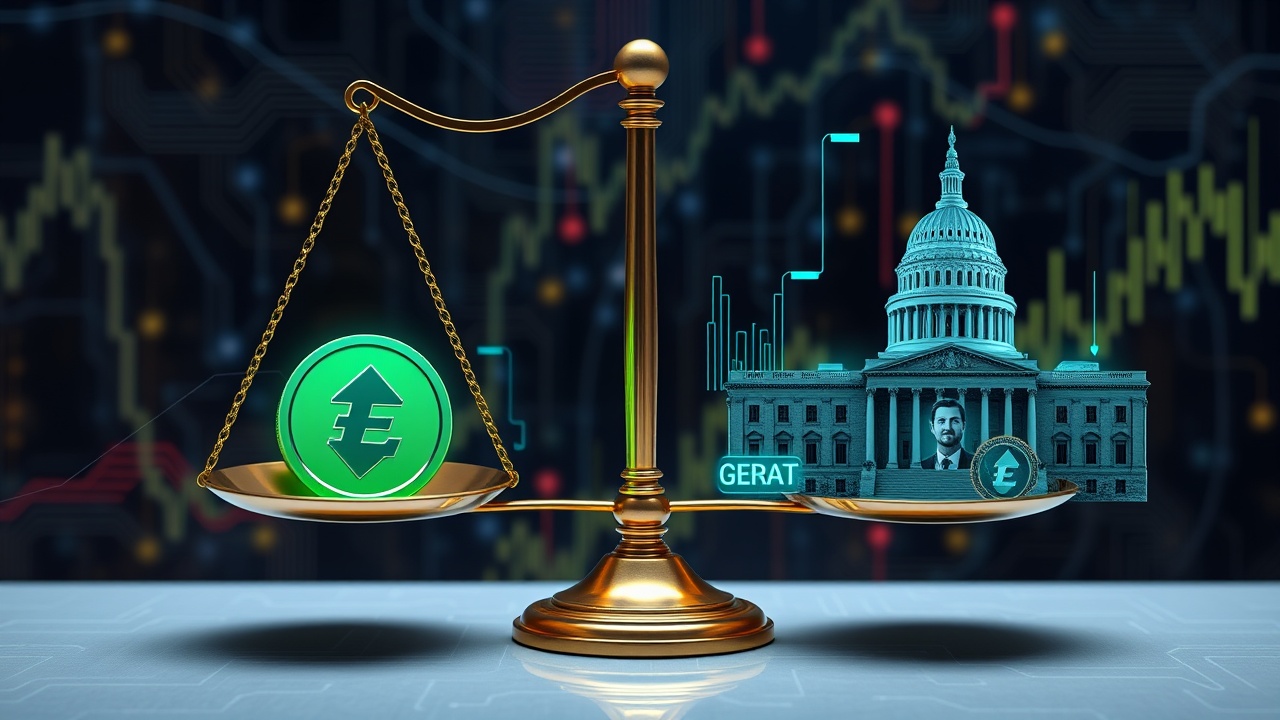
In the realm of digital currencies, the launch of USA₮ by Tether represents a pivotal moment in navigating the U.S. regulatory environment, especially in relation to the recently established GENIUS Act. Unlike its primary stablecoin USDT, which is issued globally by Tether International, USA₮ operates under a distinct framework within the United States, crafted in collaboration with a federally chartered U.S. bank, Anchorage Digital Bank.
Understanding Regulatory Obligations
This strategic move underscores a vital understanding for businesses exploring opportunities in the stablecoin arena: the entity associated with a brand or technology might not be the legal issuer of the token. Instead, the regulatory obligations hinge on the actual ownership and management of issuance, redemption processes, asset reserves, compliance, and governance.
Tether’s U.S. Strategy and Leadership
At the forefront of Tether’s U.S. strategy is Robert “Bo” Hines, a former executive director of the White House’s digital-asset policy council. Having played a significant role in shaping the administration’s cryptocurrency policy—including the GENIUS Act—Hines transitioned to become Tether’s strategic adviser shortly after leaving government service in August 2025. In January 2026, he was appointed CEO of Tether USA₮, a role that solidifies his influence over Tether’s efforts to penetrate the American market while fostering connections with key stakeholders in the domain.
Legal Frameworks of USDT and USA₮
While USDT and USA₮ are under the Tether brand umbrella, they operate independently with different legal frameworks. USDT is backed by Tether International and has a global standing, whereas USA₮ is solely issued by Anchorage Digital Bank, a point that is explicitly stated in the latter’s disclosures. These documents clarify that Tether has no legal responsibility for USA₮, nor does it guarantee redemption. Consequently, holders of USAT may face limitations when attempting to exchange their tokens, often needing to rely on secondary market transactions rather than direct redemptions with Anchorage.
Transparency and Reserves
Anchorage has been transparent, releasing monthly attestations showcasing its reserves. As of August 31, 2026, approximately 175.7 million USAT tokens were outstanding, supported by approximately $176.4 million in reserves. Notably, USA₮ is not recognized as legal tender, nor does it have any affiliation with FDIC or SIPC insurance.
Regulatory Compliance and Future Considerations
Despite Tether’s promotion of USAT as compliant with federal regulations, it is essential to recognize that Anchorage’s status as a federally chartered bank predates the GENIUS Act, which was enacted on July 18, 2025. The key provisions of the Act, including the regulatory framework for stablecoin issuance, are set to come into effect on January 18, 2027, with the Office of the Comptroller of the Currency (OCC) detailing implementation rules as recently as October 2026.
As of late October, the OCC had yet to initiate the application process for the GENIUS Act, and stakeholders should be cautious not to conflate Anchorage’s current banking status with an implied approval to issue USA₮ under future regulatory guidelines.
Due Diligence for Businesses
Considering these developments, exchanges and wallet providers must exercise due diligence. The allure of a token being labeled as “regulated” or “GENIUS-ready” necessitates scrutiny of the underlying licenses and charters, not just a reliance on marketing claims.
Potential Conflicts of Interest
In light of Hines’s appointment at Tether, questions about potential conflicts of interest regarding his previous Government role have emerged, notably since he was involved with Nxum, a consulting firm that also received payments from Tether while he was in office. Though a representative for Nxum refuted claims of conflict, stating Hines was unaware of the Tether engagement and did not benefit financially from it, such entanglements highlight the importance of transparency when veterans transition into the private sector within the same field.
Conclusion
Businesses eyeing a U.S. stablecoin introduction must meticulously evaluate their legal positions, issuer relationships, and compliance frameworks before asserting regulatory compliance. Seeking legal counsel for guidance on the nuances of the GENIUS Act and the overall regulatory landscape is advisable to ensure that their operational structures align with forthcoming regulations.
Attorney Advertising: This article is for informational purposes only and does not constitute legal advice. Establishing an attorney-client relationship requires direct engagement with the firm.